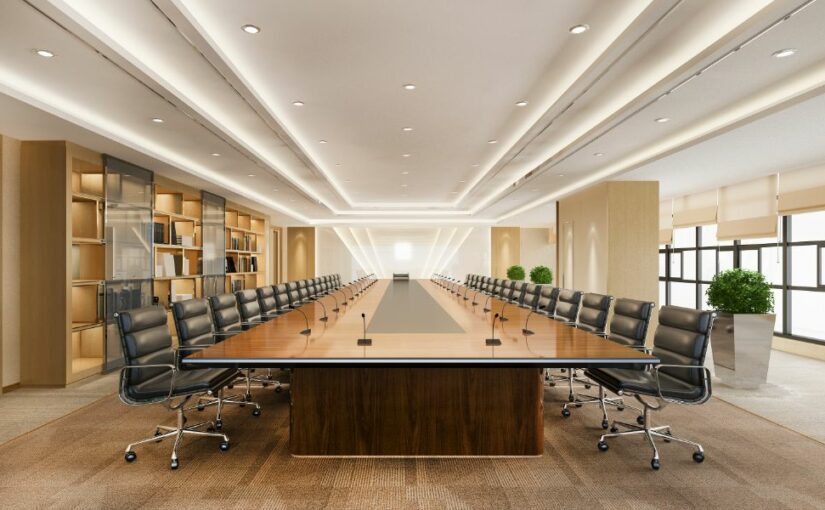
Meeting Room Layout Ideas: How to Set Up the Perfect Space

Date: Thu Dec 11 Author: BluDesks

You can book the nicest meeting room in the world – but if the layout isn’t right, the session will still fall flat. The way you arrange tables and chairs affects how people interact, how well they can see and hear, and even how confident they feel speaking up.

If you’re browsing meeting room layouts and wondering which one will actually support your agenda, you’re not alone. There are lots of room layouts for meetings to choose from, and each one suits different types of conversations and events.

Below, we’ll walk through popular meeting room layout styles, explain when to use them, and dive into two of the most useful formats: the cabaret layout meeting room and the classroom layout meeting room.

Types of meeting room layouts and when to use them

Before you book a space, it helps to understand the main meeting room layout ideas you’ll come across. Here are some of the most common options and where they work best.

Boardroom layout

A classic boardroom layout places everyone around a single central table. It’s ideal for:

  • Decision-making sessions
  • Smaller leadership meetings
  • Interviews or high-stakes discussions

Because everyone faces each other, it’s great for eye contact and open conversation, but less effective for larger groups or training-style events.

Theatre layout

Theatre style is rows of chairs all facing the front, with no tables. It’s perfect for:

  • Presentations and briefings
  • Town-hall style updates
  • Speaker events

You can fit more people into the room, but it’s not designed for note-taking, laptops or group work.

U-shape or horseshoe layout

Tables arranged in a U shape give everyone a clear view of the front while still being able to see one another. This layout suits:

  • Workshops with a facilitator
  • Training with discussion
  • Strategy or planning sessions

It encourages participation but still keeps focus towards the presenter or screen.

Hollow square

Similar to a boardroom, but with a square of tables and a gap in the middle. Hollow square works well for:

  • Group discussions
  • Project kick-offs
  • Cross-department meetings

It’s collaborative, but can feel a little formal for creative sessions.

Informal / lounge layout

Think sofas, armchairs, coffee tables and a more relaxed feel. This style is useful when you want:

  • Creative brainstorming
  • One-to-ones or small team check-ins
  • Less hierarchical conversation

It’s not ideal for note-heavy workshops, but great for building relationships and candid discussion.

Now let’s look more closely at two specific meeting rooms layout options that often work brilliantly for training, workshops and learning-focused events.

Cabaret layout meeting room

A cabaret layout meeting room uses small, round or square tables dotted around the space, with chairs placed only around part of each table so everyone faces the front. Think of it as the best bits of theatre style, with added comfort and collaboration.

This layout is ideal when you want people to work in small groups but still engage with a presenter or screen. It’s particularly useful for:

  • Interactive workshops
  • Strategy days with breakout activities
  • Team-building sessions
  • Conferences with group exercises between talks

Pros of a cabaret layout

  • People can talk and work together without twisting in their chairs.
  • The front of the room stays in clear view for slides or live demos.
  • It feels more social and informal than rows of chairs.

Things to consider

Cabaret uses more floor space than theatre style, so capacity may be lower. If you’re booking through a platform like BluDesks, check the maximum numbers for a cabaret setup and whether the room can be reconfigured if your agenda changes.

Classroom layout meeting room

A classroom layout meeting room has rows of tables with chairs behind them, all facing the front – just like a traditional classroom. Each person has a surface for a laptop, notes or training materials, which makes it a practical option for:

  • Formal training courses
  • Software demos or product training
  • Exams or assessments
  • Longer learning sessions where people need to write or type

Pros of classroom layout

  • Everyone has space for devices, notebooks and handouts.
  • The room feels focused, with attention naturally directed to the front.
  • It works well with hybrid setups, where a trainer might be presenting remotely.

Things to consider

Classroom style is less interactive than cabaret or U-shape. You can still build in discussion, but you may need to plan specific moments where people turn to those next to them or move into small groups. If your goal is collaboration rather than instruction, another meeting room layout style may be a better fit.

Which layout is best for my meeting?

With so many meeting room layouts available, the right choice depends on what you’re trying to achieve. A quick way to decide is to ask three questions:

Is this about telling, discussing or doing?
For mainly telling (presentations, briefings), a theatre or a classroom often works well.
For discussing (decision-making, strategy), try a boardroom, U-shape or hollow square.
For doing (workshops, training with exercises), the cabaret layout meeting rooms are often the most flexible

How much interaction do you want?
If you need high levels of participation, choose a layout where people can easily see and talk to each other – cabaret, U-shape or hollow square. If interaction is minimal, a theatre or a classroom will usually be more efficient.

What do people need in front of them?
If attendees need laptops, workbooks, or plenty of space for notes, classroom and cabaret layouts are strong options. If you only need people to listen and occasionally raise a question, theatre style may be enough.

You can also mix room layouts for meetings on the same day. For example, start with a theatre-style keynote, then shift to cabaret tables for afternoon workshops. When you book flexible space rather than a fixed conference venue, it’s often easier to adapt your setup to match each part of the agenda.

Try different meeting room layout ideas with BluDesks

Choosing the right layout is only half the story – you also need a space that can be configured to match your plan. That’s where BluDesks comes in.

Through BluDesks, you can book a wide range of flexible meeting room layout options, from small boardrooms to larger spaces set up in cabaret or classroom style. Many venues can switch between different meeting room layout styles on the day, so you’re not locked into one format if your agenda evolves.

If you’re planning a workshop, training session or strategy day and want to try out different meeting room layout ideas, take a look at BluDesks’ meeting rooms in London. You can filter by capacity, facilities and layout, then reserve exactly the kind of space you need – without signing a long lease or committing to a traditional conference package.

With the right layout, your next strategy session, workshop or training day won’t just run smoothly – it will actually deliver the outcomes you planned for.

How to Plan and Run a Strategy Meeting

Date: Thu Dec 11 Author: BluDesks

When you’re busy with day-to-day operations, it’s easy for strategy to slip into the background. A strategy meeting is your chance to step away from the inbox, look at the bigger picture and decide where the business is heading – and how you’ll get there.

Done well, it can reset priorities, energise your team and turn vague ambition into a clear plan of action. This guide explains what a strategy meeting is, what it should achieve, and how to plan and run one so you come away with real decisions and next steps.

What is a strategy meeting?

A strategy meeting is a dedicated session where key people step back from day-to-day work to focus on long-term direction. Instead of talking about this week’s tasks, you look at where the business or team is trying to get to, the main challenges and opportunities on the horizon, which priorities will genuinely move the needle and how you’ll measure progress and success.

If you’ve ever wondered about a strategy meeting’s meaning in practice, it’s a focused time in the diary where everyone is invited to think long-term and make decisions that shape the future, not just the next few days.

What is the purpose of a strategy meeting?

At its core, the purpose of a strategy meeting is alignment. They give leaders and teams a structured space to agree on a shared vision and key goals, decide on the big moves that will help deliver those goals, and check whether current projects and resources really support that direction. They also make it easier to spot gaps, risks or conflicting priorities before they become issues.

You can run a strategy meeting at the company level (for example, with the board and senior leadership) or at the department or project level, such as a marketing strategy meeting focused on the next 12-18 months. In every case, the aim is the same: connect everyday work to a clear, long-term plan.

Benefits of a strategy meeting

When you take strategy seriously, the benefits show up quickly. People gain clarity about where the organisation is going and why particular decisions are being made, and priorities become sharper, so it’s easier to say “no” to distractions that don’t support your agreed plan.

Collaboration improves as different teams see how their work fits together and where they need to coordinate. You’ll often see faster decision-making, too, because big questions are tackled and resolved in the room instead of lingering in follow-up conversations. With named owners and timelines for key initiatives, there is a stronger sense of ownership and accountability, which makes it far more likely that plans actually happen. Over time, regular strategy meetings also build a culture where people are used to thinking about outcomes, not just activities.

Who should be involved in a strategy meeting?

Your invite list should reflect the strategy meeting outcomes you’re aiming for. You’ll usually want a mix of decision-makers, experts and people responsible for delivery. That might include founders, board members, C-suite leaders and functional heads who can commit to direction, budget and resourcing, along with those who understand the numbers, customers or operations well enough to inform decisions.

You’ll also want project managers and team leads who will turn strategy into practical plans. For an organisation-wide strategy meeting, this might mean board members and senior leaders. For a departmental session, it may be a director plus relevant managers and specialists. Aim for a group that’s big enough to bring in different perspectives, but small enough to have focused, productive discussions – often 6-12 people.

What’s the desired outcome of a strategy meeting?

A good strategy meeting doesn’t end with “great conversation” – it ends with clear outcomes.

Typically, you’ll want to walk away with three to five strategic priorities for the next period (for example, the coming quarter or year), a small number of measurable goals or KPIs for each priority and a short list of key initiatives or projects that will support those goals. Each initiative should have a named owner and rough timeline, alongside a shared understanding of what you will stop, pause or de-prioritise to make space for the new work. If you can’t answer “what’s different now?” at the end of the session, the meeting hasn’t really done its job.

Key steps to planning and running a strategy meeting

There’s no single template for how to run a strategy meeting, but a few core steps help almost every organisation.

1. Define the scope and focus

Be clear about what you’re trying to achieve. Decide whether you’re setting an overall business strategy or focusing on one area such as sales, product or marketing, and agree on the timeframe you’re planning for. Turn this into a short purpose statement and share it in advance so everyone walks into the room with the same expectations.

2. Prepare the right inputs

Strategy conversations work best when everyone has the same facts. Before the meeting, circulate the key performance data, financials, customer or market insights, and any previous strategy documents. That way, the strategy meeting itself can focus on thinking and deciding rather than bringing people up to speed.

3. Design a clear agenda

Use a simple agenda that sets the scene, reviews what’s working and what isn’t, explores options and risks, and then narrows those options down into a small set of priorities. Finish with time to agree on owners, timelines and how decisions will be communicated. Time-box each section and build in short breaks so people stay engaged.

4. Facilitate well

Whether you use an external facilitator or someone internal, their role is to keep the discussion focused on strategic questions rather than day-to-day issues, draw out contributions from quieter voices and park topics that don’t fit the agreed scope. Brief summaries during the session help everyone stay aligned on what’s been decided.

5. Capture decisions and next steps in real time

Nominate someone to record the final priorities and goals, the key rationales behind decisions and the main action items with owners and deadlines. Share this summary soon after the meeting and build it into your regular reporting or leadership check-ins so it doesn’t gather dust.

Finding a venue for your strategy meeting

The environment you choose can make or break the quality of the conversation. Holding a strategy meeting in your usual boardroom can work, but it also makes it easier for people to drift back into everyday thinking – and everyday interruptions.

Many organisations prefer to move off-site for strategy meetings so people can switch off from their normal routine and focus properly. The ideal venue is quiet and private, with good acoustics and comfortable seating for a full-day session. It should offer reliable high-speed Wi-Fi and AV for presentations or hybrid participants, breakout areas for smaller group work, and easy access to refreshments and lunch.

BluDesks provides flexible meeting rooms in London and throughout the UK that you can book on a pay-as-you-go basis. That means you can choose a space that fits the size and style of your strategy meeting – from a simple, focused room for a leadership huddle to a larger, more creative space for workshops – without committing to long-term leases or expensive hotel packages.

A well-planned strategy meeting won’t solve every challenge in a single day, but it will give you a shared direction, clear choices and practical next steps. With the right people in the room, a structured agenda and a venue that supports focused thinking, you can turn “we should talk strategy” into real, tangible progress for your organisation.