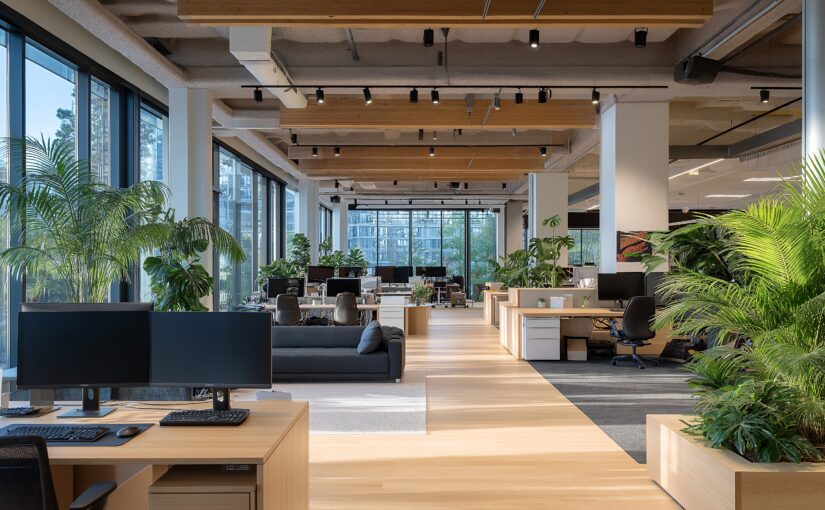
UK Business Growth: Why Companies Are Rethinking Expansion

Date: Fri Jun 5 Author: Stanley Samidas

UK business growth has become increasingly difficult to predict as interest rates, inflation, and economic uncertainty continue to influence business decisions over the past few years, UK businesses have faced no shortage of challenges. Inflation surged, borrowing costs increased, energy prices became volatile, and global events repeatedly disrupted business planning.

Many business leaders entered 2026 hoping for a more stable economic environment. Instead, they are finding themselves navigating a new reality: interest rates remain elevated, inflation pressures have not fully disappeared, and uncertainty continues to influence investment decisions.

The question facing many organisations today is no longer simply how to grow. It is increasingly how to grow while remaining agile enough to respond to an unpredictable economy.

How Interest Rates Are Shaping UK Business Growth

Interest rates are often viewed as a concern for banks, lenders, and homeowners. In reality, they influence almost every aspect of business activity.

When borrowing costs rise, businesses often become more cautious about investing, expanding operations, recruiting staff, or taking on long-term commitments. Conversely, lower rates can encourage investment and improve confidence. The challenge for businesses in 2026 is that the outlook remains uncertain.

The Bank of England has maintained Bank Rate at 3.75%, while inflation remains above its long-term target. Policymakers have also warned that continued energy price volatility linked to tensions in the Middle East could keep inflationary pressures elevated for longer.

For businesses, this means many growth decisions are being made in an environment where future borrowing costs remain difficult to predict.

Confidence Is Improving — But Caution Remains

There are signs that business confidence is stabilising compared with the turbulence experienced in previous years.

However, confidence has not fully returned. Recent surveys have highlighted continued concerns around rising operating costs, labour expenses, energy prices, and weaker demand in some sectors. The OECD’s latest UK economic outlook provides additional insight into how economic conditions continue to influence business investment and confidence:

UK services activity recorded its first contraction in over a year during May, while business sentiment weakened amid concerns about inflation and geopolitical uncertainty.  At the same time, manufacturers have reported the fastest increase in prices for almost four years, driven by rising costs for energy, transport, raw materials, and supply chain disruption.

For many business leaders, this creates a difficult balancing act. Opportunities for growth exist, but committing heavily to long-term expenditure remains a significant risk. Businesses looking to follow wider UK business sentiment and investment trends may also find the Confederation of British Industry’s economic forecasts useful:

Growth No Longer Means Bigger Offices

Historically, business growth often followed a familiar pattern. More employees required more desks. More clients required larger premises. Expansion frequently meant larger offices and longer leases.

That assumption is changing. The rise of hybrid working, distributed teams, digital collaboration, and changing employee expectations has forced many organisations to reconsider whether traditional office expansion remains the smartest route to growth.

Many businesses are now asking a different question:

Do we need more office space, or do we simply need better access to workspace when we need it?

This shift in thinking is becoming increasingly important at a time when organisations are trying to maintain flexibility without compromising professionalism.

Why Flexible Infrastructure Is Becoming a Competitive Advantage

One of the biggest lessons businesses have learned over the past few years is the value of agility. Markets change quickly. Customer behaviour changes quickly. Economic conditions can change quickly.

Businesses that remain adaptable are often better positioned to respond. This is one reason why many organisations are moving away from large, fixed commitments and towards more flexible operating models.

Instead of maintaining underused office space, businesses are increasingly choosing:

This approach allows organisations to maintain a professional image while avoiding unnecessary overheads.

What This Means for Businesses of Different Sizes

Corporates

Larger organisations are increasingly embracing hybrid workplace strategies that combine central office locations with regional workspace access.

Meeting rooms and flexible workspace allow teams to collaborate, when necessary, without maintaining excess office capacity.

SMEs

Small and medium-sized businesses are often under the greatest pressure to balance professionalism with cost control.

Many are choosing flexible workspace solutions rather than committing to expensive long-term leases, allowing them to remain agile while preserving capital for growth.

Freelancers and Independent Professionals

Consultants, contractors, and freelancers increasingly require professional environments for client meetings and focused work.

Pay-as-you-go workspace models provide access to professional facilities without the burden of permanent office commitments.

If You Want to Understand the Bigger Picture, Read These Next

Interest rates are only one piece of the puzzle. Businesses across the UK are simultaneously dealing with rising costs, changing workplace expectations, office affordability, and global uncertainty. Understanding how these factors connect can help organisations make more informed decisions about growth and investment.

If you found this article useful, these recent BluDesks insights explore some of the wider economic forces shaping UK businesses today.

How to Beat London’s Sky-High Office Rents in 2026 examines why many organisations are moving away from traditional office commitments and exploring more flexible workspace strategies.

The Cost Crisis Reshaping UK Business explores how inflation, operational costs, and changing business priorities are influencing decision-making across multiple sectors.

How the US-Iran Conflict Is Driving Up Costs for UK Businesses looks at how geopolitical events can affect energy prices, inflation, and business confidence throughout the UK economy.

Together, these articles provide a broader perspective on why flexibility is becoming one of the most valuable business assets in 2026.

A Smarter Way to Grow

As businesses navigate an uncertain interest rate environment, growth is becoming less about taking on bigger commitments and more about staying agile.

Many organisations are choosing flexible workspace solutions that allow them to scale when opportunities arise while keeping overheads under control. Through BluDesks, businesses can access meeting rooms, coworking spaces, hot desks, and flexible workspaces whenever they need them.

And for those looking to maintain a professional business presence without the cost of a permanent office, Low-Cost Letter Box provides virtual office and digital mailroom solutions that support today’s more flexible way of working.

In an unpredictable economy, adaptability may be the smartest investment a business can make.

Why Businesses Are Choosing Flexibility Over Expansion

Date: Fri May 29 Author: Stanley Samidas

Businesses across the UK entered 2026 with a very different mindset from just a few years ago. Growth still matters. Expansion still matters. But increasingly, business leaders are becoming more cautious about how they grow, where they invest, and which long-term commitments actually make commercial sense. Many businesses are now exploring flexible office space London solutions to reduce long-term operational costs.

In previous years, expansion often meant larger offices, bigger teams, longer leases, and more permanent infrastructure. Today, many organisations are moving in a different direction entirely.

Instead of committing to larger fixed overheads, businesses are prioritising flexibility, operational agility, and scalable infrastructure that can adapt quickly to changing market conditions. That shift is quietly reshaping how modern businesses operate.

The Business Environment Has Changed

Economic uncertainty is no longer viewed as a temporary phase. Businesses continue to navigate rising operational costs, cautious consumer spending, salary pressures, recruitment uncertainty, and ongoing geopolitical instability that can rapidly affect confidence across global markets.

At the same time, many companies are still adapting to long-term workplace changes created by the pandemic. Hybrid working, distributed teams, and flexible schedules are no longer niche ideas—they are now part of mainstream business operations.

As a result, organisations are becoming far more selective about taking on fixed commitments that may limit agility in the future. And for many businesses, office space is now one of the first overheads being reconsidered.

Why Expansion No Longer Looks the Same

Traditionally, expansion followed a predictable formula. More employees meant more desks. More clients meant larger offices. Growth often translated directly into bigger physical infrastructure. But many businesses are beginning to realise that scaling operations does not always require scaling permanent office space.

A company may need occasional collaboration space without maintaining a full-time headquarters. Teams may only meet physically a few times per week. Client presentations may require professional meeting environments without the cost of permanent offices sitting half empty. That has fundamentally changed how businesses think about workspace.

Instead of asking:
“How much office space do we need?”

Businesses are increasingly asking:
“How much office space do we actually use?”

Why Flexible Office Space London Is Becoming More Popular

For many organisations, flexibility now offers a stronger commercial advantage than ownership. Businesses want the ability to scale workspace use up or down depending on operational demand, team structure, project requirements, or economic conditions.

This is why demand for meeting rooms, coworking spaces, hot desks, flexible workspace solutions continue to grow across London and the UK. Rather than paying continuously for underused infrastructure, businesses can now access professional workspace only when needed. That creates a far more agile operating model.

Corporates Are Prioritising Agility

Larger organisations are increasingly moving towards hybrid operating structures that reduce dependence on centralised offices. Many are adopting regional collaboration models, allowing employees to work closer to home while still accessing professional workspace for meetings, presentations, workshops, and team collaboration when necessary.

This approach not only improves flexibility but can also help reduce unnecessary real estate costs while supporting employee wellbeing and productivity. For corporates managing large volumes of business correspondence across distributed teams, digital infrastructure is becoming equally important.

Solutions such as Low-Cost Letter Box digital mailroom services help businesses manage incoming mail securely without relying on traditional office administration.

SMEs Are Looking for Smarter Growth Models

Small and medium-sized businesses often face the greatest pressure when balancing professionalism with operational cost control. Many SMEs no longer want to commit to expensive full-time offices when flexible alternatives now exist.

Instead, businesses are increasingly using:

  • pay-as-you-go meeting rooms
  • part-time office access
  • coworking environments
  • flexible workspace memberships
  • virtual office solutions

This allows businesses to maintain a professional presence while keeping operational overheads manageable. Professional business address solutions such as Low-Cost Letter Box virtual office services are also becoming increasingly attractive for startups and growing businesses looking to establish credibility without committing to permanent office leases.

Freelancers and Independent Professionals Are Working Differently

The shift towards flexibility is not limited to larger organisations. Freelancers, consultants, remote professionals, and independent founders are increasingly building businesses without traditional office infrastructure altogether.

But professionalism still matters. Client meetings, presentations, focused work sessions, and networking often require environments that go beyond cafés or home offices. Flexible workspace and pay-as-you-go hot desk access provide professionals with the ability to work productively while maintaining flexibility and cost control.

If You’re Rethinking Workspace Strategy, Read These Before Making Your Next Move

If rising costs, changing work patterns, and underused office space are already forcing your business to rethink how it operates, you are certainly not alone. Across London and the UK, many businesses are beginning to realise that the traditional office model no longer delivers the same value it once did. The challenge now is not simply finding workspace—it is finding smarter ways to stay productive, professional, and commercially agile without carrying unnecessary overhead.

That is exactly why more businesses are exploring flexible workspace strategies, hybrid working models, and pay-as-you-go infrastructure solutions. If you are currently reviewing how your business can reduce costs while continuing to operate efficiently, these BluDesks insights are well worth your time.

Because the smartest workspace decisions rarely begin with choosing an office. They begin with understanding how modern businesses can operate more efficiently.

The Businesses Adapting Fastest Are Not Always the Biggest

In 2026, business success is increasingly being defined by adaptability rather than size. The organisations responding fastest to economic uncertainty are often the ones reducing fixed commitments, improving operational agility, and investing in scalable infrastructure instead of unnecessary overhead.

BluDesks helps businesses access flexible office space London solutions without the burden of fixed office commitments. With BluDesks, businesses can access professional workspace across London, the UK, and globally—including meeting rooms, coworking spaces, hot desks, and flexible workspaces—on a practical pay-as-you-go basis.

Combined with virtual office and digital mailroom infrastructure from Low-Cost Letter Box, businesses of all sizes can operate professionally without relying on outdated fixed-office models. The future of business may not belong to the companies with the biggest offices. It may belong to the businesses flexible enough to adapt fastest.

How to Beat London’s Sky-High Office Rents in 2026

Date: Fri May 22 Author: Stanley Samidas

London’s rising office costs are pushing businesses to explore flexible office space London solutions as a smarter alternative to traditional long-term leases. For decades, a permanent office in a prime London location was considered a sign of success. A recognisable business address, dedicated desks, meeting rooms, and a fixed headquarters all projected stability and professionalism.

Today, many businesses are asking a very different question: does that model still make commercial sense? With office rents, business rates, utilities, fit-out costs, and ongoing operational overheads continuing to rise, many organisations are rethinking what “professional workspace” should look like.

The Traditional Office Was Built for a Different Business Era

The conventional office model was created for a world where teams worked from one location, five days a week, under one roof. That made sense at the time. Businesses needed permanent infrastructure because collaboration, communication, client meetings, and administration all depended on physical presence.

But the cost of that model has always been substantial. Long-term leases, large deposits, furniture investment, service charges, maintenance, internet infrastructure, utilities, and business rates all create fixed commitments—whether the office is fully used or not. In a fast-moving economy, those commitments can quickly become liabilities.

Flexible Offices Changed the Market—But Not the Whole Problem

The rise of serviced offices and flexible workspace promised a smarter alternative. Businesses could access furnished offices, reception services, central locations, and shorter commitments without the burden of managing traditional office infrastructure. For many, this was a major improvement. But not all “flexibility” proved genuinely flexible.

Some providers still rely on fixed monthly memberships, bundled agreements, and contracts that may not suit businesses with changing headcounts or unpredictable operational needs. For companies seeking true agility, simply swapping one form of commitment for another may not solve the real issue.

COVID Didn’t Just Change Where People Work—It Changed Business Thinking

The pandemic forced businesses to test remote working at speed. What many expected to be temporary became transformational. Teams collaborated virtually. Offices sat empty. Leaders began questioning how much permanent space they needed.

That shift has continued well beyond lockdowns. Flexible working is no longer simply a workplace perk—it has become part of mainstream business operations. In the UK, the government strengthened employees’ rights through flexible working reforms, giving eligible workers greater ability to request flexible arrangements from day one:

For employers, this has created a practical challenge. If teams no longer need to be physically present every day, does maintaining expensive permanent office infrastructure still represent good value?

Why Flexible Office Space London Is a Smarter Alternative

Modern businesses increasingly need access—not fixed commitments. A team strategy session may require a professional meeting room in Central London. A remote employee may need a productive coworking environment near home. A growing business may occasionally need office space for focused collaboration.

That is a very different requirement from maintaining permanent real estate. This is where flexible workspace becomes commercially smarter. Rather than paying continuously for underused space, businesses can align workspace spend with actual operational need. That changes the economics entirely.

What This Looks Like for Larger Businesses

For corporates, flexibility is often about scale and agility. Many larger organisations are moving towards hybrid “hub-and-spoke” models—maintaining strategic office presence while enabling distributed teams to work closer to home or closer to clients.

This reduces central overhead pressure while improving employee convenience and operational resilience. Flexible workspace options such as coworking hubs and professional meeting rooms support this model effectively. For larger businesses managing significant inbound mail and document handling, digital mailroom solutions can also remove unnecessary administrative friction.

How SMEs Can Stay Professional Without Overspending

Small and medium-sized businesses often face a different challenge. They need professionalism—but not the cost of a full-time office lease. That is where flexibility becomes commercially powerful.

A business might only need office space two or three days per week. Teams may require occasional collaboration space. Client-facing businesses may need professional meeting environments without permanent commitments. Pay-as-you-go workspace models offer practical solutions.

BluDesks gives businesses access to flexible office space London solutions, helping SMEs stay professional without committing to expensive long-term leases: And for businesses that still need a professional address without leasing a physical office, virtual office services provide a practical alternative:

Freelancers and Consultants Need Professionalism on Demand

Not every professional need permanent office space. Freelancers, consultants, solo founders, and independent advisors increasingly work across multiple locations, balancing flexibility with client expectations. Home working works—until professionalism matters.

Client meetings, focused work sessions, or collaborative discussions often require a more polished environment. Pay-as-you-go hot desks and coworking spaces provide that flexibility without overhead.  This is professionalism without unnecessary commitment.

Still Exploring Smarter Ways to Cut Business Costs? Start Here.

If London’s rising office costs have already made you question whether your current workspace model still makes financial sense, this is only part of the conversation. The reality is that many businesses are discovering hidden operational costs in places they had not fully considered—from underused office space and commuting inefficiencies to the overlooked financial burden of homeworking and inflexible workspace commitments.

If you are actively looking for smarter, more commercially sustainable ways to operate, these BluDesks insights are worth your time.

Because the smartest workspace decisions rarely begin with choosing a desk. They begin with understanding how modern businesses can operate more efficiently.

The Smarter Workspace Strategy for 2026

London office rents are unlikely to become dramatically cheaper overnight. But businesses do not need to respond by locking themselves into outdated operating models. The smarter response is flexibility.

With BluDesks, businesses can access flexible office space London solutions alongside meeting rooms, coworking spaces, and hot desks across the UK and globally.

Combined with Low-Cost Letter Box’s virtual office and digital mailroom infrastructure, businesses of every size can maintain professionalism while dramatically reducing fixed overheads. In 2026, success may no longer belong to the businesses with the biggest offices. It may belong to the businesses with the smartest infrastructure.

Hot Desking: Definition and Benefits

Date: Thu Feb 12 Author: BluDesks

Hot desking is a simple way for teams to use office space more efficiently. Rather than giving everyone a permanent desk, you share a pool of desks and use one when you need it. This guide explains the hot desking meaning, how it works day to day, the benefits of hot desking, and the basics that keep it running smoothly.

Definition of hot desking

Let’s start with the basics. The definition of hot desking is a flexible way of working where desks are not assigned to specific people. Instead, employees or members choose an available desk when they arrive, and then leave it free for someone else when they are done.

In plain terms, the hot desking meaning is shared desks, used as needed.

What is hot desking in practice? It is a workspace model that supports:

  • Hybrid working, where teams are not in the office every day
  • Project-based work, where people need space for specific tasks
  • Businesses scaling up or down, without a long-term lease

Hot desking does not mean working without comfort or consistency. When it is done well, it gives you professional space, reliable facilities, and the freedom to choose when and how you come in.

How does hot desking work?

Hot desking is straightforward, but the day-to-day experience depends on how the space is set up. Most teams either book ahead or take any available desk, then plug in, connect to Wi-Fi, and start work.

A good hot desking space also gives you choice, such as quieter zones for focus and more social areas for collaboration. When you are done, you clear the desk so it is ready for the next person.

If you want a simple way to try it out, BluDesks offers flexible options through its dedicated hot desk spaces

The benefits of hot desking

There are plenty of reasons businesses are switching to hot desking, but it is not only about saving money. The best outcomes come from a more adaptable, better-used, and easier-to-manage office experience.

1) Better use of space

For many teams, assigned desks sit empty for large parts of the week. Hot desking turns that wasted capacity into something useful. Instead of maintaining one desk per person, you design around real usage. The result is a space that matches how people actually work.

2) Cost efficiency without compromising professionalism

Another key benefit of hot desking is paying less for unused desks, while still giving people a professional place to work. It can also make it easier to scale, without the disruption of moving offices.

3) Supports hybrid work patterns

Hybrid work is now a normal reality for many teams. Hot desking fits naturally because it does not assume everyone is in the office every day. People can come in for collaboration, client meetings, or focused work, and work remotely when that makes more sense.

4) Encourages collaboration across teams

Hot desking can help people sit with different colleagues, share knowledge, and avoid teams becoming siloed.

5) A fresh change of environment

A professional office can improve focus and routine, especially if home working is not always ideal. Hot desking gives people access to a reliable workspace without committing to a fixed desk. It works well for remote workers who want a base sometimes, freelancers who need a consistent place to work, and small teams who want a professional setting on key days.

6) Easier business continuity

Because hot desking is designed around flexibility, it can make it easier to respond to change. Whether you are onboarding new team members, running short-term projects, or adjusting schedules, you can adapt without needing a full office redesign.

7) Improves the overall workplace experience

When hot desking is paired with strong amenities, people often find the workday simpler. Good lighting, comfortable seating, fast internet, and access to meeting rooms all add up. It is not just about where you sit but about having a place that helps you do your best work.

Hot desking infrastructure

Hot desking succeeds or fails on the experience. If people cannot find a desk, take calls privately, or rely on the basics, it will not stick. Here is what matters most.

Reliable connectivity

Fast, stable Wi-Fi is non-negotiable. People need to be able to join video calls, upload files, and work without interruptions. Ideally, there is also clear support if something goes wrong.

Power and desk setup

Every desk should have easy access to power, and the layout should support laptops and peripherals. Comfortable chairs, good desk height, and reasonable spacing help people settle in for a full day.

Bookable meeting rooms

Even if you are using hot desks, you will still need private rooms for client meetings, interviews, team discussions, and quieter video calls. A hot desking space works best when you can book these easily.

Quiet zones and call areas

Not all work should happen in open plan seating. People need areas where they can focus and places where they can take calls without disturbing others. This is one of the most important differences between hot desking that feels productive and hot desking that feels chaotic.

Storage options

Some hot desking users benefit from lockers or secure storage. This keeps the desk clear while still giving people a place for essentials, especially if they visit frequently.

Clear etiquette and simple rules

Hot desking runs smoothly when expectations are clear. Typical rules include keeping desks tidy, using the right zones for calls, and booking ahead when the space is busy.

Supportive on-site management

A well-run space makes a big difference. Friendly staff, clear check-in processes, and quick help when something is not working can turn a good day into a great one.

Is hot desking right for you?

Hot desking is a strong fit if your team works hybrid, travels often, or does not need a fixed seat to be productive. It can also be ideal if you want a professional place to work without the overheads of a dedicated office.

If you are unsure, the easiest way to decide is to try it. Choose a day when you want a more focused environment, or when you have meetings that benefit from being in a professional setting, then see how it feels.

Try hot desking with BluDesks

If you want flexibility without compromising on a professional setup, BluDesks makes it easy to get started. You can book a hot desk office space that suits your schedule, work in a well-supported environment, and scale your office use up or down as your needs change.

Why is it Called a Hot Desk?

Date: Tue Mar 5 Author: Marcus Fitzpartick

In today’s dynamic work environment, the term “hot desk” has become increasingly prevalent, shaping the modern office landscape. But have you ever pondered over the origins of this peculiar term? Why is it called a “hot desk”? Let’s embark on a journey to uncover the fascinating history and evolution behind this ubiquitous workplace concept.

The Concept of Hot Desking

Before delving into the etymology of “hot desk,” it’s imperative to understand the concept itself. Hot desking refers to a flexible workspace arrangement where employees do not have assigned desks. Instead, they utilise any available workspace within a shared environment, promoting collaboration, flexibility, and resource optimisation.

The Birth of the Term

The term “hot desk” originated in the early 1990s and is believed to have emerged from the aviation industry. In airports, especially during peak hours, airlines would have a limited number of desks available for their staff to use. These desks were in high demand and were continuously occupied and vacated, thus earning the moniker “hot desks.”

The Heat of Constant Use

The term “hot” in “hot desk” metaphorically alludes to the notion of something being in high demand or under constant use. Much like a hot potato that’s constantly passed around, a hot desk experiences a similar fate in a bustling office environment. It symbolises the transient nature of workspace utilisation, where desks are not static but are instead utilised dynamically based on demand.

Evolving Work Culture

The rise of hot desks parallels the evolution of work culture and the increasing emphasis on flexibility, collaboration, and efficiency in the modern workplace. With the advent of technology enabling remote work and the blurring of traditional office boundaries, organisations have embraced agile workspace solutions to accommodate diverse work styles and foster innovation.

Benefits of Hot Desking:

  1. Resource Optimisation: Hot desking enables organisations to optimise workspace utilisation, minimising the need for excessive office real estate and reducing overhead costs.
  2. Flexibility: Employees have the freedom to choose their workspace based on their preferences, tasks, or collaborative needs, fostering a more dynamic and adaptive work environment.
  3. Promotes Collaboration: By breaking down physical barriers and encouraging interaction among employees from different departments or teams, hot desking cultivates a culture of collaboration and knowledge sharing.
  4. Encourages Mobility: Hot desks encourage mobility within the workspace, preventing employees from feeling tethered to a specific desk and promoting a more active and agile work style.

Challenges and Considerations:

While hot desks offer numerous benefits, they also present challenges that organisations must address:

  1. Lack of Personalisation: The absence of personalised workspaces in hot desking environments may lead to a sense of detachment or loss of ownership among employees.
  2. Logistical Issues: Managing desk availability, ensuring equitable access, and addressing logistical concerns such as storage and security can pose challenges in hot desk implementations.
  3. Productivity Concerns: Some employees may find it challenging to adapt to the transient nature of hot desks, leading to potential productivity issues or difficulties in establishing a sense of routine.

In conclusion, the term “hot desk” encapsulates more than just a workplace arrangement—it embodies a shift in organisational culture and the evolving nature of work itself. As the global workforce continues to embrace flexibility and innovation, hot desks serve as a testament to the adaptability and dynamism of modern workplaces.

Whether you’re a proponent or sceptic of hot desking, one thing remains clear: the term’s origins may lie in the aviation industry, but its impact reverberates across diverse sectors, shaping the way we work and interact in the 21st century.

So, the next time you hear the term “hot desk,” remember its journey from airport terminals to corporate boardrooms—a testament to the ever-evolving nature of work and the enduring quest for efficiency and collaboration in the modern workplace.