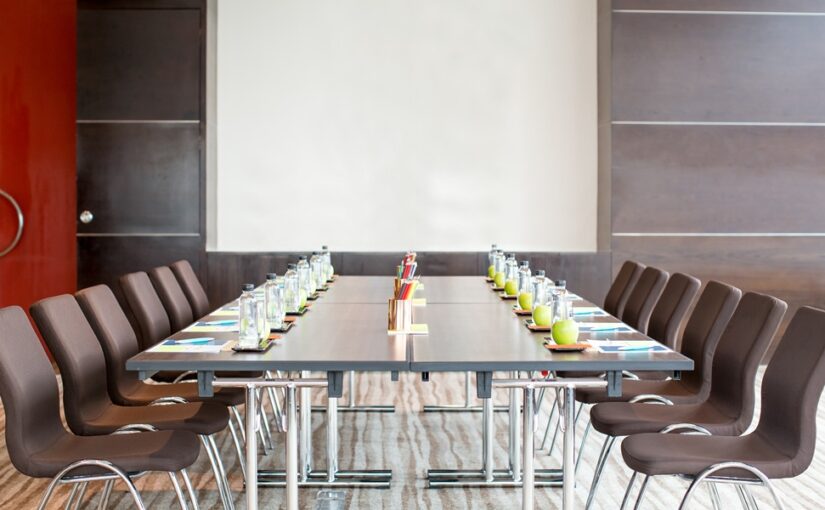
A good meeting can lose momentum quickly if the room is wrong. Chairs feel cramped, the screen will not connect, remote attendees cannot hear clearly, and someone is adjusting the blinds before the agenda even starts. If you are wondering how to set up a meeting room, the goal is straightforward: create a space where people can see, hear, speak, and focus without delays.
The right setup depends on the meeting itself. A client pitch needs a different approach from a training session or workshop. The number of attendees matters too, especially if some people are joining remotely. Before you move a single chair, think about the purpose of the meeting, how long it will last, and what people need to take part comfortably.
What to consider before setting up a meeting room
Start with the basics. How many people are coming, and how much space will they need? A room that works for six people in a private discussion may feel too tight for a workshop with laptops, notes, and coffee cups on the table. If guests are joining online, sightlines matter just as much as floor space.
You should also think about the tone of the meeting. A boardroom-style layout suits formal decision-making, while a theatre-style room works better for presentations. A cabaret or classroom setup may be better for training or longer sessions where people need space to write or work.
Timing matters too. A short internal catch-up can work in a simpler space, while a longer meeting needs comfortable seating, steady room temperature, and easy access to power. Setting up a room for a meeting is easier when you know exactly what the session needs to achieve.
Choosing the right meeting room layout
Room layout shapes how people interact, how easily they can see a screen, and how formal the session feels.
- A boardroom layout works well for client meetings, interviews, and strategy sessions where everyone needs to face each other.
- A theatre layout is better when one person or panel is presenting, and the audience is mainly listening. It keeps attention forward, though it is less useful for note-taking or discussion.
- A classroom layout suits training days, workshops, and sessions where attendees need space for laptops or printed materials.
- A U-shape layout is useful when you want discussion and presentation time in the same session. It gives everyone a clear view of the screen and lets the speaker move more easily.
If you are setting up a meeting room for brainstorming or collaborative work, round tables or smaller clusters can help people speak more freely. Just make sure nobody is left straining to see the screen or hear the conversation.
Essential equipment: AV, screens, whiteboards, webcams
Even the best room falls flat if the tech is unreliable. The equipment should match the way the meeting will run.
For presentations, you will usually need a screen or large display, along with dependable connectivity. HDMI and wireless casting options both help, especially if more than one person may present. Good wi-fi is essential.
For hybrid meetings, a webcam should be positioned so remote attendees can see the room clearly, not just the nearest person. A microphone or speakerphone needs to pick up voices from around the table, not only from beside the laptop. If remote guests are joining the discussion, test the audio before anyone arrives.
Whiteboards and flipcharts are still useful for workshops and planning sessions. If people need to charge devices, make sure the sockets are close enough to use without cables trailing across the room.
Lighting, acoustics, and temperature tips
These details are easy to overlook, but they shape how the room feels.
Natural light helps, but glare on a screen does not. If the room has large windows, check whether blinds or curtains can soften the light without making the space too dark. Overhead lighting should be bright enough for note-taking without feeling harsh.
Acoustics matter more than many people expect. Hard surfaces can create echo, which makes long meetings tiring and hybrid calls harder to follow. If you are booking a room, choose one that already sounds clear when people speak at a normal volume.
Temperature can quietly derail a meeting, too. If the room is too warm, focus drops. If it is too cold, people become distracted. Check ventilation, heating, or air conditioning before the meeting starts.
Meeting room setup checklist
Use this checklist before guests arrive:
- Confirm the number of attendees and choose a room with enough space
- Pick a layout that suits the purpose of the meeting
- Test the screen, wi-fi, webcam, and audio equipment
- Check that charging points and plug sockets are easy to reach
- Make sure everyone has a clear view of the screen or speaker
- Adjust lighting to reduce glare and keep the room comfortable
- Check the temperature before the meeting starts
- Place whiteboards, markers, notepads, or water where needed
- Do a final walk-through from an attendee’s perspective
That last step is often the one people miss. Sit where a guest would sit, join the video call from another device, and look at the screen from the back of the room. Small issues are much easier to fix before anyone arrives.
Why renting a fully equipped meeting room saves time and cost
If your business only needs meeting space now and then, creating your own permanent setup can be an expensive fix for an occasional need. You need the room itself, the furniture, the display, the audio kit, reliable internet, and the time to manage it all.
Renting a fully equipped room removes much of that hassle. You book the space you need, for the time you need it, with the equipment already in place. That makes it easier to host client meetings, team sessions, interviews, and presentations without taking on the cost of a permanent office or an underused meeting room.
It also helps on the day. Instead of spending the first 15 minutes hunting for cables or moving furniture, people can get started.
How BluDesks meeting rooms are ready to use instantly
BluDesks meeting rooms are designed to make the process easier. You can book private meeting rooms with the setup already handled, including screens, AV facilities, whiteboards, wi-fi, and the practical features people need for focused discussions.
For businesses working flexibly, this gives you a professional space when you need one, without the commitment and overhead of maintaining your own dedicated room.
If you need a space for your next presentation, team catch-up, workshop, or client meeting, explore BluDesks meeting rooms. It is a simple way to book a room that is ready to use from the moment you walk in.