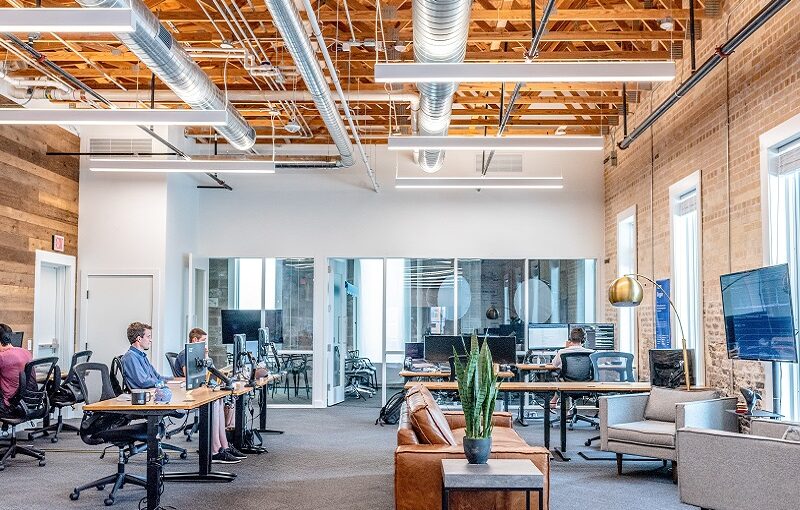
Business Expansion Starts with the Right Infrastructure

Date: Thu Jul 23 Author: Stanley Samidas

Business expansion can create exciting opportunities, but growth also puts pressure on people, workspace, systems and costs. A company may win new customers, recruit more employees, enter another city or launch a new service. However, growth becomes difficult when the business still relies on arrangements designed for a much smaller operation.

Many organisations respond by taking on larger permanent commitments. They lease a bigger office, purchase more furniture and increase their facilities before they fully understand their future requirements. This can create unnecessary overheads and reduce the freedom to adapt.

A stronger approach is to build infrastructure that can grow with the business. Flexible workspaces, professional meeting rooms, reliable business addresses and digital mail management can support expansion without forcing every decision to become permanent.

What Does Business Infrastructure Include?

Business infrastructure includes the practical resources and systems that allow a company to operate effectively. It is not limited to technology or office space. It also covers workplace access, communication, administration, customer contact, document management and the processes that connect them.

A small business may operate successfully from one location with a compact team. As demand increases, the same setup can become restrictive. Employees may struggle to find suitable meeting space. Customers may expect a more professional environment. Important correspondence may also become harder to manage when people work from different locations.

The right infrastructure removes these barriers. It gives the business enough structure to remain professional while providing the flexibility required to respond to change.

Growth Does Not Always Require a Bigger Office

A larger office can appear to be the natural next step for a growing company. Yet business growth does not always require more permanent space.

Teams rarely use every desk and meeting room every day. Employees may work remotely, travel to customer locations, attend events or follow hybrid schedules. A company that expands its office too quickly may pay for capacity that remains unused.

Long leases can also limit future choices. Customer demand may change, recruitment may slow or the business may decide to expand in another location. A large fixed office can then become a financial burden instead of a growth asset.

Flexible workspace provides a practical alternative. Through BluDesks, businesses can access professional workspace when required. This allows them to increase capacity without immediately increasing fixed property commitments.

Choose the Right Workspace for Each Task

Different business activities require different environments. A confidential customer discussion needs privacy. A team workshop needs room for collaboration. A remote employee may only need a quiet desk, reliable internet and a professional setting.

Meeting rooms can support presentations, interviews, training, planning sessions and important customer conversations. Coworking spaces provide a productive base for individuals and teams.

Hot desks give travelling professionals and hybrid employees somewhere suitable to work for a day. Meanwhile, flexible workspaces and shared workspaces can accommodate changing team sizes without requiring a traditional lease.

This task-based approach gives businesses more control. Instead of paying for one permanent space to handle every situation, they can select the most suitable environment for each activity.

Professional Meetings Support Confident Expansion

Expansion often creates a greater need for meetings. Businesses may need to speak with investors, interview candidates, negotiate with suppliers, train employees or present proposals to potential customers.

The environment can influence how those conversations feel. A noisy café or unsuitable home setting may distract participants and weaken the professional impression. A properly equipped meeting room gives the business privacy, structure and the facilities needed for a productive discussion.

Professional space can also help teams prepare more effectively. Employees can arrive early, review documents, test presentation equipment and welcome guests in an organised environment.

As we explored in “Why High-Performing Teams Perform Better Than Others”, strong performance depends on more than individual ability. Clear communication, trust, collaboration and an effective working environment all matter.

Support People as the Business Grows

Successful expansion depends on people. New employees need suitable places to work, clear processes and reliable access to colleagues and resources. Existing employees also need support as their responsibilities change.

A rigid office model can make recruitment more difficult when talented candidates live far from the main location. It may also create long journeys that reduce employee energy and productivity.

Access to coworking spaces and hot desks can give employees more choice while maintaining a professional working environment. Regional teams can meet without travelling to headquarters, while remote employees can use workspace closer to home.

This does not mean that every employee must work separately. Face-to-face collaboration remains valuable. Flexible infrastructure simply allows businesses to decide when physical attendance creates the greatest benefit.

Protect Cash Flow During Expansion

Growth requires investment. Businesses may need to spend money on recruitment, marketing, technology, stock, product development or customer support. Capital committed to unnecessary office capacity cannot support these other priorities.

A flexible workplace model can turn part of the property budget from a fixed commitment into a cost linked more closely to actual use. Businesses can book meeting rooms for important appointments, use coworking space during busy periods and add workspace as teams grow.

Our previous article, “How to Beat London’s Sky-High Office Rents in 2026”, examined why companies are reconsidering expensive traditional office commitments. Flexible access can help businesses remain professional while protecting capital for the activities that directly support growth.

Government guidance on growing a business encourages companies to test new products and services before making unnecessary investments. Businesses can apply a similar principle to workplace expansion by testing a new location before committing to long-term premises.

Enter New Locations with Less Risk

Entering a new town, city or country can create valuable opportunities. However, opening a permanent office before demand is proven can expose a company to avoidable risk.

Flexible workspace allows businesses to establish a presence gradually. A sales team can meet local customers in a professional room. Employees can use coworking space while the company evaluates recruitment needs. Managers can also hold regional meetings without immediately leasing a dedicated site.

This creates a useful testing period. Leaders can study customer demand, travel patterns, team requirements and local operating costs before making a larger commitment.

BluDesks provides access to meeting rooms and professional workspace across a wide range of locations. This allows a growing company to follow opportunity rather than restricting expansion to places where it already owns or leases space.

Build Resilience into the Expansion Plan

Growth can make a business stronger, but it can also create new points of dependence. A larger team may rely heavily on one office, one transport route or one administrative system.

Flexible infrastructure gives businesses alternatives. When travel disruption affects the usual workplace, employees may be able to work from another location. When a meeting cannot take place at headquarters, the company can move it to a professional space elsewhere.

Our articles “Business Continuity: Keep Your Business Running During UK Heatwaves” and “Train Delays, Tube Disruption and Business Productivity” explain how weather and transport problems can interrupt normal working patterns.

Resilience does not require a separate permanent office in every area. It requires practical alternatives that a business can activate when circumstances change.

Maintain a Stable Business Presence

A flexible workplace strategy still needs a stable business identity. Customers, suppliers, government bodies and professional partners must know how to contact the company. Important correspondence must also reach the right person when the team works across several locations.

BluDesks’ sister company, LowCost LetterBox, can help provide this administrative foundation. A Virtual Office London service can give a business a professional point of contact without requiring a full-time office.

A Registered Office Address can help eligible companies maintain an official address while protecting personal privacy. Meanwhile, Digital Mailroom Management Services can help teams manage correspondence when employees work remotely or from several locations.

These services allow the business to maintain a consistent professional base while keeping its operational footprint flexible.

Create Infrastructure That Follows the Business

Business infrastructure works best when its different parts support one another. Workspace access alone will not solve administrative problems. A professional address alone will not provide a suitable environment for a customer presentation.

By combining flexible workspace with reliable address and mail services, a growing company can build a more complete operating model. Employees can work and meet in suitable locations while important correspondence continues to flow through a consistent system.

This approach can be especially valuable for consultants, startups, project teams, regional sales operations and companies entering new markets. They can present a professional image without creating a large permanent property burden.

BluDesks gives businesses access to meeting rooms, coworking spaces, hot desks, flexible workspaces and shared workspaces according to demand. Its sister company, LowCost LetterBox, complements this model with Virtual Office London, Registered Office Address and Digital Mailroom Management Services, providing businesses with a complete infrastructure for sustainable growth.

Business expansion starts with the right infrastructure because growth needs more than ambition. It needs practical systems that can scale without becoming obstacles. When workspace and administration remain flexible, a business can invest more confidently, respond more quickly and build a stronger foundation for its next stage.


Train Delays, Tube Disruption and Business Productivity: A Smarter Way to Work

Date: Thu Jul 2 Author: Stanley Samidas

Train Delays, Tube Disruption and Business Productivity: A Smarter Way to Work

Business productivity can suffer quickly when train delays, Tube disruption, extreme weather, and planned engineering works affect daily travel. Across the UK, businesses depend on employees, clients, suppliers, and partners being able to move smoothly. However, recent disruption has shown that relying on one office, one commute, or one fixed way of working can create unnecessary risk.

For many organisations, travel disruption is no longer a rare inconvenience. It can affect meetings, interviews, project deadlines, training sessions, customer service, and staff wellbeing. When employees arrive late, meetings move at short notice, or clients cannot reach a central office, the working day becomes harder to manage.

The smarter approach is not to wait for disruption and then react. Businesses need flexible systems that allow work to continue wherever teams and clients can meet most easily. This is where BluDesks and LowCost LetterBox can support a more resilient way to work.

Why Travel Disruption Has Become a Business Issue

Train delays and Tube disruption affect more than the morning commute. They influence how businesses plan their day, how teams collaborate, and how customers experience service. When a journey takes longer than expected, one delay can create several business problems.

A late train may cause a missed client meeting. A cancelled Tube service may reduce attendance at a training session. A planned station closure may force staff to spend extra time travelling across London. Bad weather can also create sudden disruption, especially when heat, storms, or heavy rain affect railway infrastructure.

National Rail regularly advises passengers to check journeys before travelling because service changes, engineering works, and incidents can affect routes across the country. Businesses and commuters can view live updates through National Rail status and disruptions.

Transport for London also provides live updates for the Tube, DLR, London Overground, Elizabeth line, trams, buses, and other services. Businesses that depend on London travel can monitor changes through TfL status updates.

These services help people plan journeys. However, planning alone does not solve the wider business problem. Companies also need practical alternatives when travel becomes unreliable.

The Hidden Cost of Delays and Disrupted Commutes

The cost of transport disruption is not always visible on a balance sheet. Yet it can still affect performance. Lost time, rushed meetings, missed calls, low morale, and cancelled appointments all reduce business productivity.

For small businesses, the impact can feel even greater. One delayed employee may mean a missed sales call. One cancelled meeting may slow a project. One unavailable director may delay a decision. Over time, these small interruptions can damage customer confidence and team efficiency.

There is also a wellbeing cost. Long, hot, crowded, or uncertain commutes can leave employees tired before the working day begins. During extreme weather, travel can become even more difficult.

Network Rail explains that hot weather can affect rails, overhead lines, and the ground beneath the track. More information is available through Network Rail’s hot weather and railway guidance.

When businesses expect everyone to work from one location, they increase their dependence on the transport network. A more flexible model gives teams better options.

Flexible Workspaces Help Businesses Keep Moving

Flexible workspace gives businesses a practical way to reduce the impact of travel disruption. Instead of asking every employee or client to travel to one fixed office, businesses can choose a workspace that suits the situation.

A company may need a meeting room close to a client. A project team may need temporary workspace near a transport hub. A remote employee may need a professional desk closer to home. In each case, the business keeps moving without relying on one central office.

BluDesks meeting rooms help businesses hold professional meetings when the usual office is not convenient. This can reduce cancellations, protect client relationships, and help teams make decisions on time.

For employees who need a productive environment outside the main office, coworking spaces and hot desks offer a smarter alternative to working from a crowded café or an unsuitable home setup.

Businesses can also use flexible workspaces and shared workspaces to support hybrid teams, travelling staff, consultants, freelancers, and project-based workers.

Why One Office Is No Longer Enough

A fixed office can still play an important role. However, businesses that depend only on one location can struggle when disruption affects access to that site. A smarter setup gives organisations more than one way to operate.

For example, a sales team could meet a client in a professional room closer to the client’s location. A director could use a day office between meetings instead of losing time travelling back to headquarters. A hybrid worker could book a desk near home when the commute into London becomes difficult.

This approach does not remove the need for offices. Instead, it changes how businesses use them. Companies can move from fixed dependence to flexible access. That shift can improve business productivity, reduce wasted travel time, and help employees work in the right place at the right moment.

It also supports cost control. Businesses do not always need to commit to larger permanent offices just to cover occasional meetings, overflow workspace, or temporary project needs. Flexible access allows them to scale workspace around demand.

Business Mail Does Not Stop When Trains Do

Workspace flexibility is only one part of the solution. Business communication also needs to continue during disruption. Even when employees work remotely or use different locations, important mail, documents, and official correspondence still need secure handling.

This is where LowCost LetterBox supports business continuity. Its services help organisations maintain a professional presence and manage important correspondence without depending on staff being present at one permanent office every day.

A Virtual Office London service helps businesses maintain a professional address without the cost or dependence of a permanent office. This can support remote teams, startups, consultants, international businesses, and companies that operate across several locations.

A Registered Office Address can also support company compliance and privacy. Directors can protect their home address while maintaining a credible UK business presence.

For organisations that receive regular correspondence, Digital Mailroom Management Services help teams manage mail more efficiently. Digital access can reduce the need for employees to travel to one office simply to collect, open, or process correspondence.

This matters during transport disruption because staff may not always reach the usual workplace. With the right digital mail solution, important communication can still reach the people who need it.

Flexible Workspace and Digital Infrastructure Work Together

A modern business needs more than a backup desk. It needs a complete operating model that can adapt when normal routines change.

Flexible workspace solves the physical challenge. Teams can meet, focus, collaborate, and work professionally without depending on one fixed location. Digital business infrastructure solves another challenge by helping companies maintain their address, manage correspondence, and keep important information moving.

Together, these services can reduce the risks that come with office dependence. Employees gain more choice about where they work. Clients can meet businesses in professional locations. Important correspondence can continue to move even when the usual office is difficult to reach.

This approach can also help growing businesses. Instead of adding permanent property costs every time the team expands, organisations can use flexible space when they need it. At the same time, a professional business address and digital mail support can help maintain a consistent business presence.

Building a Smarter Business Continuity Plan

A strong business continuity plan should cover more than major emergencies. It should also help a company manage everyday disruption. Train delays, Tube problems, extreme weather, staff absence, school closures, and planned engineering works can all affect normal operations.

Businesses can prepare by asking a few practical questions. Where can employees work if they cannot reach the office? Where can clients meet the team if the main location becomes inconvenient? How will important mail reach decision-makers? How will the company maintain a professional image when teams work across different locations?

BluDesks helps answer the workspace side of these questions. LowCost LetterBox supports the business address, mail, and digital communication side. Together, they create a more complete operating model for modern organisations.

This combination can be especially useful for SMEs, startups, consultants, agencies, remote teams, and growing companies. These organisations often need professionalism and flexibility without the cost of large permanent office commitments.

A More Productive Way to Work

Transport disruption will not disappear. Rail engineering works, Tube delays, bad weather, and unexpected incidents will continue to affect business travel. The companies that perform best will not simply hope for smoother journeys. They will design work around flexibility.

That means using professional meeting rooms when face-to-face conversations matter. It means giving employees access to hot desks and coworking spaces when home or the main office is not practical. It also means using virtual office and digital mailroom services so important communication keeps moving.

BluDesks supports businesses with professional workspace options across London, the UK, and beyond. LowCost LetterBox supports a flexible operating model through professional business address and mail management solutions.

Together, they help businesses stay professional, productive, and resilient when travel disruption gets in the way.

Train delays may slow journeys, but they do not have to slow business. With the right workspace and digital infrastructure, organisations can work smarter, respond faster, and protect business productivity in a changing world.

Why Coworking Space Should Be Included In Your Annual Operating Plan

Date: Mon Sep 5 Author: Chelliah Nakeeran

It looks increasingly likely that UK business owners will be searching for cost-effective solutions to include in their Annual Operating Plan (AOP) this winter. According to the Bank of England, the UK is heading for a recession.

England’s central bank has revealed that the 13% surge in energy prices will bring the average household energy bill in the UK up to £3500 this year. The increase in living costs will prompt consumers to curb their spending.

A decline in spending is not good news for business owners that are already feeling the pinch from hefty office leases, an increase in cost for raw materials and higher utility bills.

One solution to significantly cut your operating costs is to let go of the expensive office lease and take advantage of cost-effective coworking spaces.

However, entering a long-term contract with a coworking space that only offers fixed monthly payments may not necessarily enable you to free up cash flow either.

Why PAYG Coworking Spaces Provide Cost-Effective Solutions

Having spoken with multiple business owners in London that have adopted a hybrid model, it’s apparent that many companies are holding on to office space they are not using.

According to a survey conducted by Consultancy Advanced Workplace Associates, UK employees spend an average of 1.5 days in the office a week. 13% of workers only call in on Fridays.

This is money down the drain that could be put to better use.

The smart solution is to take advantage of coworking spaces that offer a Pay-As-You-Go (PAYG) program. With BluDesks, you can book private offices and meeting rooms by the hour – so you only pay for the space you use when you need it.

PAYG coworking spaces help to alleviate the financial burden and plan your operating costs by enabling you to manage your budget closely. You also get access to amenities and facilities you would expect from a fully-functioning office.

Coworking spaces also eliminate utility bills. And the rising costs of energy will suck up even more revenue from small businesses in the foreseeable future. It’s barely worth turning the heating on if there’s hardly anybody using the office.

Flexible Office Spent You Can Rent By The Hour

With more UK firms switching to a hybrid model, access to coworking spaces makes sense. Not only from a financial point of view but also to give your employees more flexibility.

Remote workers will occasionally need access to office facilities such as a photocopier or scanner. Rather than making the hour-long commute to your central office, they could book a desk for an hour in a coworking office 19 minutes from their home.

Not only are PAYG coworking spaces less costly, but they are also more convenient. And BluDesks go one step further by providing access to hundreds of coworking spaces from a central portal.

With a single membership, you can book private offices and meeting rooms by the hour anywhere in the UK. For businesses that need to cut costs, BluDesks could provide a solution that helps you to navigate the recession.

Cut Business Overheads With Coworking Space

Date: Tue Aug 30 Author: Chelliah Nakeeran

Surging energy prices, increased living costs and an uptick in office rental fees have put the squeeze on employers and employees. To make matters worse, economists are predicting a prolonged period of stagflation to hit the UK in the second half of 2022.

Utility bills have already increased by 66% since October 2021. If proposed plans to add a further increase of 40-50% this coming October go through, the average cost of household energy bills will hit over £3600 a year. That’s more than double the cost of pre-pandemic energy prices.

The economic slowdown could have a devastating effect on small-to-medium-sized businesses. In the current climate, business owners will need to find solutions that enable them to reduce overheads and free up cash flow.

In times of economic pressure, cutting costs is always the first course of action. The unfortunate tool is to wield the axe on employees to ease the wage bill.

However, reducing your workforce also means you reduce your levels of production and, presumably, your revenue. Rather than slashing your wage bill, consider eliminating overheads associated with office rentals and rising utilities.

Cost-Effective Coworking Spaces

When you rent office space, you typically pay a ‘business rate’ for the lease which includes a property tax. On top of that, you are responsible for utility bills, maintenance, facilities and office running costs.

In addition, you typically have to rent out an entire office or floor, regardless of whether you’re using the space in its entirety. Oftentimes, businesses are paying for space they’re not even using.

If you’ve adopted a hybrid working model, paying for space you’re not using is noticeable. Furthermore, there may be a cost-effective solution with coworking office providers that charge you for the space you use when you use it.

Coworking spaces allow you to book offices and meeting rooms by the hour. This enables you to manage your costs and save money that is ordinarily wasted if you’re leasing office space via traditional methods.

Avoid the Costs of Downsizing

It’s understandable that some businesses are contemplating downsizing to a smaller office right now. But downsizing still involves unnecessary costs that can be avoided.

Searching for new premises, hiring movers, decorating and potentially paying crossover monthly rental and utility fees quickly racks up costs you could put to better use elsewhere in your business.

There’s a strong chance that the initial outlay of moving into a coworking space will be significantly lower than relocating.

Coworking Space Contracts

Some coworking space providers lock you into monthly or annual contracts. This typically involves paying for space and facilities that you may not need. Consequently, you may not reduce your costs as much as you hoped.

BluDesks give you the opportunity to book space by the hour. This means that you avoid overpaying for space you don’t need. It also allows you to set a monthly budget aside and manage your spending.

Furthermore, we have hundreds of coworking spaces for you to choose from. This makes it easier for your employees to find a coworking space that is conveniently located close to their homes.

As a result, your employees will reduce the costs involved in getting to work in the city and use less energy at home.

Contact us today and find out if we can help you lower your business overheads.

Hybrid Work & Co-Working Spaces: The New Normal?

Date: Wed Aug 17 Author: Chelliah Nakeeran

As unprecedented as the Covid-19 pandemic was, so were the business trends in the fallout. Once lockdown restrictions were lifted, 85% of British workers didn’t want to return to the office.

The hybrid working model provides benefits to both employers and employees. Given the flexibility to work part-time from home and the rest of the time in the office, employees have the work-life balance they crave together with the autonomy to choose where and when they work and save money.

Businesses also have an opportunity to save money by downsizing offices. By transitioning to a hybrid model, there is less requirement to rent office space to house an entire workforce.

There are two ways to downsize; rent a smaller office from a commercial landlord, or rent flexible coworking space which gives you the flexibility to rent the space when you need it.

Given the increase in office rental prices and utilities, co-working spaces are becoming the most cost-effective and preferred option for numerous businesses.

However, office managers should be wary about the nature of the contract you are entering into with coworking spaces. It can be the case, that you pay for services or office space you don’t need.

BluDesks has designed a business model most other co-working spaces do not offer. Firstly, we provide you with a portal to multiple co-working environments in the city where you live.

Secondly, our facilities are based on a pay-as-you-go basis which means you only pay for the space you use. Ordinarily, you are paying for space you are not using. The BluDesks model enables you to manage your office costs accurately – and save even more money.

What to expect from coworking spaces with BluDesks?

BluDesks offer affordable and flexible coworking spaces in London and across the UK. That means no matter where your employees need to work, they have easy access to a co-working space with all the amenities you can expect from a fully-functioning office. Because of the choices available, your team can book whichever workspace suits their needs. For example, you will be able to find a conveniently located meeting room for a 1-2-1 and a small room for 3 or 4 people to brainstorm or a large meeting room to provide training or a presentation.

If your business relies on team collaboration, it may be more convenient and cost-effective for a colleague to meet in a location that is more convenient for them to reach than your main base.

As we discussed in a recent article, reducing the need for all your employees to commute helps to improve your ESG score. Co-working spaces also serve as a convenient option for employees who prefer to work in an office environment rather than working from home.

Whilst the number of UK businesses that have adopted a hybrid working model is still relatively low at 37%, the number will increase as more office rental contracts expire. With hybrid working environments set to become the new normal, business planners need to look ahead to determine how they can save costs.

Paying For Office Space You’re Not Using? Save Money On Coworking Space

Date: Mon Aug 15 Author: Chelliah Nakeeran

The advancement of telecom technologies has made it possible to enable working from home and empower employees. In the post-pandemic era, the majority of employees don’t want to return to the office.

However, a large percentage of executives feel working in an office environment is invaluable. A raft of CEOs heading high-profile brands has publicly aired their opinions about the downside of remote working.

Andrew Bailey, the Bank of England chief, for example, called for more staff to return to the office to train new employees. Goldman Sachs boss David Solomon has labelled remote working an “aberration” and law firms are threatening to shave salaries by 20% to deter employees from working from home.

As a result, some companies are persisting with expensive office rentals in central locations. In the current climate, an increase in expenses will quickly erode company budgets and the purchasing power of your employees.

For firms operating out of central London, continuing to run your business from a Grade A office rental could stunt your growth. Rental prices in the West End average a jaw-dropping £117.50 per square metre – up from around £90 per square metre in Q3 of 2021.

Furthermore, if your offices are based on a commuter belt, the cost of fuel feels like a waste when you’re sitting in traffic. Frustration builds up stress which, in turn, impairs cognitive health and performance.

Hiring coworking spaces resolves all of these problems. Your teams can work together on projects without you bursting your budget, and with office space all over the UK at your fingertips, you have instant access to a whole host of conveniently located coworking spaces with a single login.

Cost-Effective Office Solutions

Switching from rented offices to coworking spaces enables companies to significantly reduce overhead. Rental costs are lower and you probably won’t pay as much on utilities because the bills are shared.

Moving forward there are minimal overheads. Coworking spaces are well-equipped with all the furniture and amenities including photocopiers, scanners, projectors and TV/audio equipment.

If you want to create a hub-and-spoke model, you can use coworking spaces to establish satellite offices – but without the cost of renting an entire office. With BluDesks, you book and pay by the hour – so there is no risk of paying for space you’re not using.

Coworking Satellite Offices

Signing up for a BluDesks membership takes coworking to another level by giving you more options to rent office space and meeting rooms wherever you prefer, whenever you want.

BluDesks hosts coworking spaces in multiple locations in the city you live. This gives employees more opportunities to work together in locations that are conveniently situated close to their homes.

You also have access to hundreds of meeting rooms, so if you need to book meeting rooms on an ad-hoc basis and need to find somewhere quickly, BluDesks reduced the time it takes to find a suitable location.

Alternatively, you can book in “de-facto” private offices by renting meeting rooms for 1 or 2 days per week at times that you dictate.

Working From Home vs Coworking Spaces – Know the New Normal!

Date: Mon Aug 8 Author: Chelliah Nakeeran

The flexibility offered by hybrid working is prompting more businesses to adopt a different way of working. Data coming from the Office of National Statistics show the number of businesses adopting the hybrid model increased from 13% to 24% between February and March this year.

Other reports suggest that 8 in 10 UK firms are planning to switch to hybrid working. Yet the workforce is torn between working from home and working in the office. There are, of course, pros and cons to both options.

Advantages of Working From Home 

During the pandemic when companies were forced to send their employees home, it was noted that there was an uplift in productivity. This was due to a variety of reasons, but in general, working from home simply gives employees more time to focus on their work. Some remote workers also report they feel less stress.

The most notable benefit of working from home is they don’t have to commute. This saves employees invaluable time to spend with their family and friends and more money to engage in things they love to do.

Yet the home is not the best place for everyone to focus and be productive. Studies reveal that 61% of remote workers complain about feeling lonely and isolated. This impairs emotional well-being and impacts the ability to focus.

Another report indicates that 70 per cent of people working from home say combining work with the responsibilities of home life causes more stress. WFH employees with children and curious spouses cause them to lose their concentration whilst others are lured by the TV and the packet of biscuits in the cupboard.

Advantages of Coworking Space

Working in a professional environment can help to flick a switch in the minds of employees that are struggling to focus. Coworking spaces can help employees ‘start their motor’ in the morning.

There may also be a necessity to work in an office. Coworking spaces give you access to amenities most people don’t have at home together. There is also a built-in support system from teammates and other professionals that solves the problem of loneliness and isolation.

Balancing Costs

Some businesses find the cost of coworking spaces v working from home prohibitive. The general operating model of most shared office providers locks you into monthly contracts – and in most cases, you are paying for services you don’t use or need.

BluDesks resolve the issues of cost by offering pay-as-you-use coworking space and meeting rooms. With our business model, you have an easier time managing your business costs and organising your workforce. We also give you access to hundreds of coworking spaces all over the UK so your employees can choose an office that is most convenient for them.

With BluDesks, you book shared office space by the hour. So to manage your costs, all you need to do is set a budget and work within your limits. For more details, contact a member of our friendly team today, or simply sign up for a Corporate Membership.

Are You Paying For 30 Days of Shared Office Space And Only Working 10?

Date: Mon Aug 1 Author: Chelliah Nakeeran

Coworking spaces have proven to be extremely advantageous in helping businesses to navigate the various stages of the pandemic. Enterprises switching to a hybrid model in the post-pandemic era will continue to reap the benefits.

However, spending money on coworking spaces is not all roses and champagne. The vast majority of shared office providers lock users into fixed-term contracts – which means you usually pay for space and amenities you’re not using.

Our data shows that most companies adopting the hybrid model spend, on average, about 10 days a month in the office. This figure is calculated from the number of hours users are physically present in the space they are paying for.

When you’re locked into a fixed-term contract you pay for 30 days a month no matter what. And coworking space contracts include broadband, various office facilities and any additional services you may have requested.

When you do the maths, it’s clear to see that businesses are overspending. In the current financial climate, throwing money at 20 days of nothing is a waste of resources you could put to better use.

Pay-As-You-Use Coworking Spaces

Today’s workers want flexibility and cost-effective solutions. For a company that has switched to hybrid working, pay-as-you-use coworking spaces tick all the boxes.

The pay-as-you-use coworking space model allows you to book office space and amenities by the hour. All you have to do is book the amount of time you want to spend in the office – and that’s all you pay for.

This high level of flexibility enables office managers to manage costs accurately. You can still accommodate staff members that are due in the office on any given day – but, crucially, you’re not overpaying for space.

Bludesks also takes flexibility one step further. We provide our users with a global pass which you can use to book office space anywhere in the world – with a single membership.

With BluDesks, you only ever need to log in and browse one website to get access to multiple private offices, hot desks and meeting rooms. This also means your employees can work in an office environment that is closer to their homes – which is better for their pocket and your ESG rating.

BluDesks Membership Pass

We don’t see the sense in forcing businesses and freelancers to pay for coworking space and amenities they are not using. It’s not fair on our clients – and you could use that money to help grow your business.

Our model is designed to make finding coworking office spaces, fast, convenient and easy. It also enables you to avoid paying for office space and amenities you’re not using.

The BluDesks personal membership and corporate membership passes give you instant access to thousands of coworking in one easy-to-use platform. You can book through our website or mobile app and pay as you go. It’s that simple.

The Benefits of Coworking Spaces As Satellite Offices

Date: Mon May 30 Author: Chelliah Nakeeran

Businesses that take advantage of coworking spaces to create satellite offices can use this service to their benefit. A number of research studies have shown time and again that firms utilising coworking space thrive.

Both employers and employees are benefiting from coworking spaces. In the current paradigm, coworking spaces give employees working from home the opportunity to use equipment typically associated with offices together with convenient locations to hold a meeting.

Now that employees have returned to the office, the benefits they enjoyed from remote working are gone. According to YouGov, 60% of employees in the UK want to continue remote working.  On the flip side, businesses benefit when they can bring teams together.

To compromise, a large number of businesses are switching to a hybrid model. Utilising coworking space to as satellite offices helps to make hybrid working even easier – and offer more benefits to both employers and employees.

Convenience and Flexibility

Coworking spaces give workers more flexibility to split their time between home and office. Stationing employees in satellite offices that are conveniently located closer to their home that your headquarters helps them to manage their time more efficiently.

Not only do satellite offices give your employees the flexibility to reach the office conveniently, it also makes it easier to just drop in from time to time. Maybe they need to use something in the office, like a photocopier, they were passing and wanted to say ‘hi’ or they spent the night in a different part of town (sleepovers) and will find it easier to work from an office that is closer  to where they wake up.

Help to Manage Work-Life Balance

Happy employees are productive employees. And now your team has experienced remote working, they recognise the value of spending more time with their families, avoid commuting and spending less money.

Research has shown that the average cost savings of working from home is £44.78 a week. Cost savings come from commuting less and not buying lunch every day. If employees live closer to the office they are working from commutes and fuel costs are lower.

This is particularly the case for employees in London. According to Totaljobs, 76% of employees said they will quit their jobs if getting to the office requires a long commute. Using coworking spaces as satellite offices could therefore save businesses the cost of replacing employees – which is estimated to cost an average £12,000 per employee – between 6-9 months of the employees salary.

Raise ESG Score

Enabling employees to commute less should also help to improve your company’s environmental, social and governance (ESG) score. With ESG scores having such a significant impact on consumer purchasing decision – especially environmentally conscious individuals – boosting your score in the environment section could pay dividends.

Commuting less means employees will consume less fuel. A satellite office also gives you more potential to organise meetings in locations that are closer for attendees to reach.

BluDesks makes it easy for companies to take advantage coworking spaces by offering you a wide range of offices all over London – with one simple sign-up and login.

Coworking Space Meeting Rooms in London Provide A Hybrid Solution

Date: Mon May 23 Author: Chelliah Nakeeran

Coworking Space Meeting Rooms in London Provide A Hybrid Solution

For the past two years, the world has been in limbo. With inflation threatening to scupper business growth and survival for the foreseeable future, more businesses are switching to the hybrid model to cut down on costs.

PwC has called hybrid working an unprecedented  challenge no business leader has ever faced. There will, of course, be some challenges, but from where we’re standing, existing solutions will help to make the transition smoother.

Not all businesses agree the hybrid model is the best way forward. Banks executives have been particularly vociferous about how remote working disrupts collaboration and corporate culture.

On the other side of the fence, tech firms are embracing hybrid working because they have the tools and the strategy to make it work. For most businesses downsizing offices and taking advantage of spaces can help you navigate the uncertainty of an economic downturn.

Office Rental in London

The Bank of England has warned that increasing energy prices will slide the UK into a recession this year. If that is to be the case, London businesses are likely to be the hardest hit.

Renting office space in the capital is already phenomenally high. According to Oktra, costs range from £50-95 per sq. ft. Prices are already 7.5% higher than pre-pandemic levels and are forecast to continue rising.

With costs rising from multiple angles, businesses face a difficult period trying to grow. Others will simply be looking to survive. Adopting the hybrid model could prove to be the difference between business continuity and closure.

Releasing the overheads that come with office rentals will free up a significant amount of cash flow. Coworking spaces present a cost-effective alternative and provide you with appropriate space for your team to collaborate, hold meetings and build a company culture.

Book Meeting Rooms With BluDesks

Not all coworking spaces will work for all businesses. Most providers have limited options and bind you into long-term contracts. During this period of uncertainty, most companies will want flexibility and multiple choices that makes organising ad-hoc meetings and space for team members to get together convenient.

BluDesks provide solutions to these challenges. First of all, we list multiple coworking spaces across London. At the time of writing, we provide you access to 517 venues within the M25 alone. We also have multiple ad-hoc satellite offices in the commuter belt.

Moreover, you have access to all our coworking spaces, private offices and meeting rooms with a single login.

We also offer a flexible Pay-as-you-Go plan which means you have more control over your budget. Unlike other office space providers, with BluDesks, you won’t be paying for office space you are not using.

All you have to do is browse our website, choose an office location with a meeting room that is most convenient for you and book the amount of time you want it for. You can even cancel the booking without paying anything providing you let us know within 24 hours.

Sign up to BluDesks today and take advantage of our hybrid solutions.