Why More Businesses are Choosing Workspace on Demand

Date: Wed Aug 5 Author: Stanley Samidas

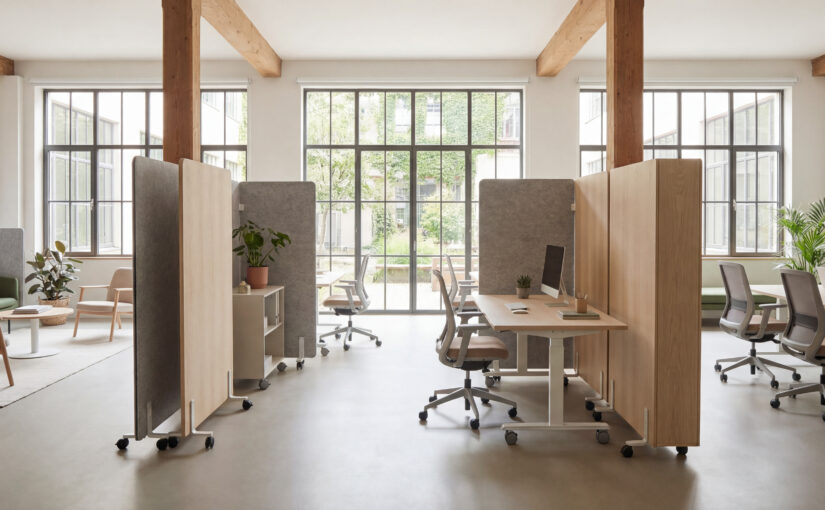
Workspace on demand is becoming an increasingly practical choice for UK businesses that want professional places to work without committing to more permanent office space than they need. Companies can now access meeting rooms, coworking spaces, hot desks and flexible workplaces according to actual demand rather than relying entirely on one fixed office.

This change reflects the way modern businesses operate. Employees may work from home, travel to meet clients, collaborate with colleagues in different cities or divide their week between several locations. At the same time, customers still expect professional meetings, reliable communication and responsive service.

A workspace-on-demand model gives organisations a practical middle ground. It combines the professionalism of an office with the flexibility to book space only when and where it creates value.

What Does Workspace on Demand Mean?

Workspace on demand allows individuals and businesses to access professional workspace for a specific period without taking a traditional long-term lease. A business might book a meeting room for an hour, use a hot desk for a day or arrange collaborative space for a short project.

The model is based on access rather than ownership. Companies do not need to maintain every desk, meeting room or regional office themselves. Instead, they can select the type of space that suits each activity.

This approach gives businesses more control over location, cost and capacity. It also helps them respond quickly when a customer meeting, team session or temporary workspace need appears unexpectedly.

Hybrid Working Has Changed Office Demand

Traditional offices were designed around predictable attendance. Employees travelled to the same location, used assigned desks and followed similar working hours. Hybrid working has changed that pattern.

Research from the Office for National Statistics shows that hybrid working remains part of working life in Great Britain. As employees divide their time between home and other workplaces, businesses may no longer need the same number of desks every day.

However, reduced daily attendance does not remove the need for professional workspace. Teams still need places for meetings, training, collaboration and focused work. The difference is that demand now changes from day to day.

Workspace on demand helps businesses meet that changing requirement without maintaining permanent capacity for occasional use.

Businesses Want Greater Control Over Fixed Costs

Office costs extend beyond rent. Businesses must also consider rates, utilities, furniture, cleaning, maintenance, insurance and technology. These costs continue even when desks and meeting rooms remain empty.

For startups and growing companies, large fixed commitments can reduce the money available for recruitment, marketing, technology and customer service. Even established businesses may question whether permanent space provides enough value when attendance varies.

Our previous article, “How to Beat London’s Sky-High Office Rents in 2026”, explored why businesses are reconsidering expensive traditional office commitments.

On-demand access helps companies convert part of their workplace budget into a cost linked more closely to actual use. They can book additional space during busy periods and reduce it when demand falls.

The Right Space Can Improve Every Meeting

Not every business conversation can happen effectively from home or in a café. Customer consultations, interviews, presentations and confidential discussions often require a private and properly equipped environment.

Through BluDesks, businesses can find meeting rooms according to location, size and purpose. This allows organisations to choose a convenient professional venue rather than asking every customer to travel to a central headquarters.

A suitable meeting room can improve privacy, reduce distractions and create a stronger first impression. It also gives employees the facilities they need to prepare, present information and focus fully on the conversation.

This is especially valuable for consultants, sales teams, recruiters and growing companies that need professional facilities but do not require a dedicated meeting room every day.

Employees Need More Than Home or Headquarters

The workplace discussion often focuses on two options: working from home or travelling to the main office. In reality, employees may need more choice.

A home environment may be unsuitable because of noise, limited space or unreliable internet. The main office may require a long journey that adds little value to an individual working day. A professional workspace closer to home can offer a better alternative.

Coworking spaces can provide a productive environment with professional facilities. Hot desks can support travelling employees, remote workers and professionals moving between customer appointments.

This wider choice can help employees focus while giving the business access to professional workspace without expanding its permanent office footprint.

Workspace on Demand Supports Business Expansion

A company entering a new city may not know how quickly demand will grow. Opening a permanent office too early can create unnecessary risk, while delaying expansion may cause the business to miss opportunities.

On-demand workspace allows businesses to establish a professional local presence gradually. Employees can meet customers, use desks while travelling and hold regional team sessions without leasing a dedicated site immediately.

Our article, “Business Expansion Starts with the Right Infrastructure”, explained how scalable workspace and administrative systems can help companies test new markets before making larger commitments.

This trial period gives leaders time to understand customer demand, travel patterns and staffing needs. They can then make long-term decisions using real experience rather than assumptions.

Flexible Access Can Strengthen Business Continuity

Businesses that rely entirely on one office may struggle when transport disruption, extreme weather or local building problems affect access. Even a short interruption can delay meetings and reduce productivity.

Workspace on demand provides alternatives. A team can move an important meeting to another location. Employees can use professional workspace closer to home. A travelling manager can continue working without returning to headquarters.

The BluDesks article “Train Delays, Tube Disruption and Business Productivity: A Smarter Way to Work” explored how travel problems can affect employees, customers and daily operations.

Flexible workspace cannot remove disruption, but it can reduce the business impact by giving teams more than one place to work.

On-Demand Space Makes Collaboration More Purposeful

Flexible working does not mean that teams should avoid meeting in person. Face-to-face time remains valuable for planning, training, problem-solving and building relationships.

The difference is that businesses can arrange meetings with a clear purpose instead of requiring attendance simply because an office exists. A company can book a collaborative space when the team needs to develop ideas, review progress or make important decisions.

Our article, “Why High-Performing Teams Perform Better Than Others”, showed that strong performance depends on communication, trust and an environment that supports the task.

Using the right space for a specific team activity can make meetings more focused and help employees understand why their presence matters.

Workplace Choice Can Support Recruitment

Employees increasingly consider location, commuting time and working arrangements when choosing where to work. A company that recruits only within travelling distance of one office may limit its access to talent.

Current UK government guidance on flexible working explains that employees can request changes to their working hours, patterns or location.

Businesses still need to protect customer service and operational requirements. However, access to different professional workplaces can make flexibility easier to manage. Employees gain more options, while employers maintain expectations around productivity, privacy and professional standards.

This can help organisations recruit from a wider area and offer practical workplace choices without becoming fully remote.

A Flexible Team Still Needs a Stable Business Base

Workspace can change according to demand, but the company still needs a consistent professional identity. Customers, suppliers and official bodies need a reliable address. Important correspondence must also reach the right person when employees work from different locations.

BluDesks’ sister company, LowCost LetterBox, supports this part of a flexible operating model. A Virtual Office London service can help a business maintain a professional address without depending on a permanent full-time office.

A Registered Office Address can support eligible companies with privacy and compliance. Meanwhile, Digital Mailroom Management Services can help teams receive and manage business correspondence across different locations.

Together, professional workspace access and reliable mail infrastructure allow the team to remain flexible while the company maintains a stable business presence.

Access Is Becoming More Valuable Than Ownership

Businesses still need offices, meeting rooms and professional places to work. However, they do not always need to lease or manage every space themselves.

An access-based model allows a company to select the right environment, in the right location, for the right amount of time. This can reduce unused capacity while improving the experience of employees and customers.

BluDesks gives businesses access to meeting rooms, coworking spaces, hot desks, flexible workspaces and shared workspaces according to demand. LowCost LetterBox complements this model through professional address and mail management services.

More businesses are choosing workspace on demand because it gives them control without reducing professionalism. It allows organisations to manage costs, support employees, serve customers and expand with greater confidence. Instead of making the business fit one fixed office, workspace can now adapt to the business.


The Future of Business Is Flexible, Not Fixed

Date: Wed Aug 5 Author: Stanley Samidas

The future of business is increasingly flexible rather than fixed. UK companies now operate in an environment shaped by changing customer expectations, hybrid teams, economic uncertainty and rapid technological development. Businesses that depend on one office, one location or one rigid way of working may find it harder to respond when circumstances change.

Flexibility does not mean removing structure or abandoning professional workplaces. Instead, it means giving a business more than one way to operate. Employees may work from a main office, a coworking space, a hot desk closer to home or a professional meeting room near a client.

This approach allows organisations to match their workspace to the work they need to complete. It can also help them protect cash flow, support employees and expand into new locations without making every decision permanent.

Why Fixed Business Models Create New Risks

Traditional business models often depend on predictability. A company signs a long office lease, expects employees to travel to one location and builds its operations around that building.

However, demand does not always remain predictable. Team sizes change, customers move, transport problems affect travel and new opportunities appear in different locations. A workplace that once suited the business can become expensive or restrictive.

Fixed commitments can also reduce the ability to react. If a business pays for space regardless of how often employees use it, property costs continue even when desks and meeting rooms remain empty.

A flexible model reduces this dependence. It allows companies to increase or reduce workspace according to actual requirements rather than assumptions made several years earlier.

Flexible Does Not Mean Fully Remote

The debate about modern work often presents two choices: everyone works in a permanent office, or everyone works remotely. Most businesses need something between these extremes.

Some tasks benefit from working independently. Others require face-to-face collaboration, privacy, presentation facilities or direct customer contact. The right workplace strategy recognises these differences.

Official data from the Office for National Statistics shows that hybrid working remains part of working life in Great Britain. This does not make the office unnecessary. Instead, it changes the purpose of workplace attendance.

Employees may come together for customer meetings, training, planning or team development. On other days, they may work from a location that supports concentration or reduces unnecessary travel.

Professional Workspace Still Matters

Technology allows people to work from many locations, but not every location creates the right professional environment. Homes, cafés and hotel rooms may lack privacy, reliable internet or suitable facilities.

A confidential conversation needs a private room. A customer presentation needs dependable technology. A planning session needs enough space for people to collaborate comfortably.

Through BluDesks, businesses can access professional workspace according to the activity in front of them. They can book meeting rooms for presentations, interviews, consultations and team discussions.

They can also use coworking spaces and hot desks when employees need a productive environment outside the main office.

The Right Space for the Right Task

A flexible business begins with the task rather than the building. Leaders should ask what people need to achieve before deciding where they should work.

A salesperson may need a meeting room close to a potential client. A project team may need a collaborative space for one day. A travelling director may need a quiet desk between appointments. A remote employee may need professional workspace when working from home becomes unsuitable.

Using flexible workspaces and shared workspaces allows businesses to select an environment that fits each requirement.

This can improve productivity because employees spend less time adapting unsuitable spaces. It can also make workplace spending more purposeful because the business pays for facilities when they create value.

Flexibility Helps Businesses Control Costs

Fixed office costs can limit the amount a business invests in recruitment, marketing, technology and customer service. Rent is only one expense. Businesses must also consider rates, utilities, furniture, maintenance, cleaning and unused capacity.

Our previous article, “How to Beat London’s Sky-High Office Rents in 2026”, explored why companies are reconsidering expensive permanent workplace commitments.

Workspace on demand gives businesses another option. They can retain the space they use regularly and access additional facilities when required. This avoids paying every day for meeting rooms or desks that the team only needs occasionally.

Flexibility therefore supports growth without forcing businesses to choose between professionalism and cost control.

Flexible Infrastructure Supports Expansion

A company entering a new city may not know how quickly local demand will develop. Leasing premises before testing the market can create unnecessary risk.

Flexible workspace allows the company to establish a presence gradually. Employees can meet customers locally, use workspace while travelling and bring regional teams together without opening a permanent office immediately.

Our article, “Business Expansion Starts with the Right Infrastructure”, explains why scalable workspace and administrative systems give growing companies more control.

Businesses can use flexible access to study demand, understand local requirements and build customer relationships before making a larger commitment. This allows infrastructure to follow opportunity rather than restrict it.

A Flexible Business Can Respond to Disruption

Companies that rely entirely on one building can struggle when transport disruption, extreme weather or local incidents affect access. Even a temporary problem can delay meetings and reduce productivity.

The BluDesks article “Train Delays, Tube Disruption and Business Productivity” examined how travel problems can affect employees and customers.

Flexible workspace creates alternatives. A customer meeting can move to another professional location. Employees can use workspace closer to home. A regional team can meet without travelling to headquarters.

This does not remove disruption, but it can reduce the effect on customers, employees and business operations.

People Also Expect Greater Flexibility

Workplace flexibility now influences recruitment and retention. Employees increasingly consider commuting time, work location and the suitability of the working environment when evaluating a role.

Current UK government guidance on flexible working explains that employees can request changes to their hours, working pattern or place of work.

Businesses still need to consider customer coverage, collaboration and operational requirements. However, offering suitable choices can help employees work more effectively and reduce unnecessary travel pressure.

Our recent article, “How Flexible Working Supports Better Customer Service”, showed how well-designed flexibility can improve response times, collaboration and professional customer interactions.

Flexible Teams Need a Stable Business Presence

Employees may work from different locations, but the company still needs a consistent professional identity. Customers, suppliers and official bodies need a reliable address, while important correspondence must reach the right person.

BluDesks’ sister company, LowCost LetterBox, supports this part of a flexible operating model. A Virtual Office London service can help a business maintain a professional address without depending on a full-time office.

A Registered Office Address can support eligible companies with compliance and privacy. Meanwhile, Digital Mailroom Management Services can help teams receive and process correspondence while working across different locations.

Together, these services create stability behind a flexible workforce. The team can move while the business maintains a consistent professional presence.

Build a Business Around Access, Not Ownership

The future of business is not about removing offices. It is about using them more intelligently. Companies still need professional places to meet, collaborate, focus and serve customers, but they do not always need to own or lease every space they use.

An access-based model gives businesses greater choice. They can use the right workspace in the right location without allowing property commitments to control every decision.

BluDesks gives businesses access to meeting rooms, coworking spaces, hot desks, flexible workspaces and shared workspaces</a according to demand. LowCost LetterBox complements this model with professional address and mail management services.

The future of business belongs to organisations that can adapt without losing professionalism. Flexible workspace and reliable digital infrastructure give companies room to respond, expand and support their people. Business will continue to need places to work, but those places no longer need to remain fixed.

Hybrid Work Is No Longer Temporary: Why UK Businesses Need Flexible Workspace Solutions?

Date: Mon Jul 20 Author: Stanley Samidas

Flexible workspace solutions are becoming essential because hybrid work is no longer a temporary arrangement for UK businesses. Many companies are no longer asking whether hybrid working will continue. Instead, they are asking how to make it work better, how to keep teams connected, and how to avoid paying for office space that is not used every day.

The way businesses use offices has changed. Some employees work from home part of the week, some come into the office for team days, and others need professional space only when they have meetings, projects, training sessions or client work. This means the traditional idea of one fixed office for every person, every day, is becoming less practical for many organisations.

Research from the CBI on remote and hybrid work describes remote and hybrid working as structural features of the UK economy. The Office for National Statistics has also described hybrid working as the new normal for a significant share of workers. For businesses, this creates a clear need for smarter workspace planning.

Hybrid Work Has Become Part of Normal Business

In the early days of hybrid working, many businesses treated it as a short-term response. It was often introduced quickly, with temporary systems and informal arrangements. Today, hybrid work is more established. Employees expect flexibility, while employers still need collaboration, productivity, accountability and professional client service.

This is why the conversation has moved beyond simply working from home. Businesses now need to think carefully about when people should meet, where teams should collaborate, how clients should be hosted, and what kind of workspace is actually required.

A hybrid business does not always need a large permanent office, but it does need access to the right spaces at the right time. That is where flexible workspace solutions become important.

The Office Is Becoming More Purpose-Based

The traditional office was once the default place where almost all work happened. Employees travelled in because that was where desks, files, meetings and colleagues were located. Now, technology allows many tasks to be completed from different locations, which changes the purpose of the office.

For many businesses, the office is becoming a place for specific activities rather than daily attendance. It is used for client meetings, team collaboration, interviews, workshops, training, planning sessions and project discussions. These activities still benefit from a professional environment, but they may not require a full-time office lease.

This is exactly why platforms such as BluDesks are relevant to modern businesses. Instead of carrying fixed office commitments every day, companies can access professional spaces when they are genuinely needed.

Meeting Rooms Still Matter in a Hybrid World

Hybrid working does not remove the need for meetings. In many cases, it makes good meetings even more important. When teams are not together every day, the time they do spend together needs to be more focused, useful and productive.

Client presentations, board meetings, interviews, training sessions and project reviews often need a professional setting. A video call may be suitable for quick updates, but some conversations work better face to face. Businesses still need spaces where they can make a strong impression, focus properly and avoid distractions.

With meeting rooms, businesses can host important discussions without maintaining a permanent boardroom. This helps companies stay professional while using workspace more efficiently.

Coworking Helps Teams Reconnect

One challenge with hybrid work is that teams can become disconnected if they rarely meet in person. Remote work can support focus and flexibility, but collaboration, creativity and culture often need shared time.

Coworking spaces can help bridge that gap. They give businesses a professional environment where small teams can work together for a day, a week or a project period. This can be especially useful for startups, consultants, remote-first companies and growing teams that do not want the cost of a permanent office.

Through coworking spaces, teams can regain the benefits of working together without losing the flexibility that hybrid work provides.

Hot Desks Support Flexible Working Patterns

Not every employee needs a fixed desk every day. In a hybrid model, some people may need a desk only once or twice a week. Others may need workspace between client visits, while travelling, or when home working is not suitable.

Hot desking gives businesses and individuals more control. It allows people to access a professional desk when they need one, without the company paying for unused space throughout the month. This supports both productivity and cost efficiency.

For businesses looking for more adaptable desk arrangements, hot desks can provide a practical alternative to permanent desk allocation.

Flexible Workspace Helps Control Office Commitments

One of the biggest advantages of flexible workspace is that it allows businesses to match workspace use with real demand. A business may have busy collaboration days and quiet remote-working days. It may need several meeting rooms during one week and very little physical space the next.

A long lease does not always match that pattern. If a company pays for the same amount of space every day, but only uses it part of the week, it may be carrying unnecessary overhead. Flexible workspace allows businesses to reduce that mismatch.

BluDesks has explored similar thinking in previous workspace discussions, including “Train Delays, Tube Disruption and Business Productivity: A Smarter Way to Work”, where the focus was on how businesses can stay productive when fixed routines are interrupted.

Hybrid Teams Need Better Workspace Planning

A good hybrid strategy should not simply tell people to work from home some days and attend the office on others. It should think about the purpose of each workday. Which days are for focused tasks? Which days are for collaboration? Which meetings need to happen in person? Which employees need a desk, and when?

When businesses answer these questions clearly, workspace becomes easier to plan. They can book meeting rooms for important discussions, coworking spaces for team days, and hot desks for individuals who need a professional environment.

BluDesks also covered broader hybrid workspace thinking in “Hybrid Office Design Guide: From Layout to Implementation”. The key message is simple: hybrid working is more effective when workspace is planned around how people actually work.

Client Meetings Still Need Professional Environments

For client-facing businesses, workspace is also about credibility. A business may not need a full-time office, but it may still need a professional place to meet clients, host presentations, interview candidates or run workshops.

Meeting in cafés or informal spaces may work occasionally, but it does not always create the right impression. A professional meeting room offers privacy, focus and a more suitable environment for serious business conversations.

This is one of the strongest reasons to use flexible workspace. It allows businesses to remain credible and client-ready without committing to permanent office space that may not be used every day.

Flexible Workspace Supports Business Agility

Hybrid work is part of a wider shift towards agility. Businesses are becoming more selective about what they own, what they rent, and what they access only when required. The aim is not to remove professionalism. The aim is to use resources more intelligently.

A business can still look professional, meet clients properly, support staff and run effective meetings without owning or leasing every workspace it uses. Flexible access can often provide a better match for modern working patterns.

This connects naturally with the LowCost LetterBox article “Why Businesses Are Choosing Agility Over Ownership”, which looked at how modern businesses are moving towards smarter, more adaptable support systems.

A Light Support Role from LowCost LetterBox

Although workspace is the main issue for hybrid teams, business communication also needs to stay organised. If teams are working from different places, official letters, customer correspondence and business mail still need to be handled properly.

This is where BluDesks’ sister company, LowCost LetterBox, can support businesses with services such as digital mailroom services, registered office address services and virtual office London services.

LowCost LetterBox has also discussed the importance of managing correspondence in “Could a Missed Business Letter Cost You More Than You Think?”. For hybrid businesses, reliable mail handling can support the same goal as flexible workspace: keeping operations professional, organised and responsive.

Why Flexible Workspace Solutions Are Now Essential

For many UK businesses, flexible workspace solutions are no longer just a convenience. They are becoming part of a smarter workplace strategy that supports hybrid teams, client meetings, collaboration days and focused individual work.

By using flexible workspace solutions, businesses can access the right space at the right time instead of relying on one fixed office model. This gives teams more choice, supports productivity and helps companies stay professional as working patterns continue to change.

Final Thoughts

Hybrid work is no longer temporary. It has become part of how many UK businesses operate. The challenge now is to make hybrid work practical, productive and professional.

That requires more than asking employees to split their time between home and office. Businesses need workspace options that match real working patterns. Meeting rooms, coworking spaces, hot desks and flexible workspaces all help businesses support collaboration, productivity and client service without unnecessary fixed commitments.

BluDesks helps businesses access the right workspace when they need it, whether that means a meeting room for an important client discussion, a coworking space for a team day, a hot desk for focused work or broader flexible workspace solutions for a changing business.

For businesses that also need communication and address support, LowCost LetterBox can support the admin side through professional mail, address and digital mailroom services. Together, the two companies help modern businesses stay flexible, professional and ready for the way work is changing.

How the US-Iran Conflict Is Driving Up Costs for UK Businesses

Date: Mon May 11 Author: Stanley Samidas

Businesses across the United Kingdom (UK) are once again facing growing economic pressure as global geopolitical tensions continue to impact energy markets, transportation costs, and overall operational expenses. In particular, the ongoing tensions involving Iran and the United States have created renewed uncertainty around global oil supply, contributing to rising fuel prices and broader inflation concerns worldwide.

While these developments may appear distant geographically, their impact is being felt directly across London and other major UK cities. For many businesses, rising fuel costs, increasing office rents, higher utility bills, and the continued cost-of-living crisis are forcing a serious reassessment of how and where work takes place.

What was once considered standard business practice—maintaining large permanent offices in central London while employees commute daily across the city—is becoming increasingly difficult to justify financially.

Global Conflict, Local Impact

Recent reporting from Reutersoil prices stay elevated across Iran war scenarios” highlighted growing concerns surrounding oil market disruption linked to instability in the Middle East, particularly around the Strait of Hormuz, one of the world’s most important oil transit routes.

For the UK economy, rising oil prices quickly translate into higher transport and operational costs. London businesses are especially exposed due to the city’s heavy reliance on commuting, logistics, deliveries, and commercial transportation.

Employees travelling into Central London several days per week are already facing increasing financial strain. Petrol prices, rail fares, congestion charges, parking fees, and even everyday public transport costs continue to rise alongside broader inflationary pressures.

According to the Office for National Statistics, transport remains one of the most significant household expenses across the UK. In London, where commuting distances and transport dependency are particularly high, the impact is even more noticeable.

For businesses, the cost is not only financial. Long commutes often lead to fatigue, reduced productivity, and increased pressure on employees already dealing with the wider cost-of-living crisis.

The Cost of Maintaining Office Space in London

Alongside rising travel costs, office-related overheads in London continue to place pressure on businesses of all sizes. Commercial rents, utilities, business rates, service charges, and maintenance costs remain among the highest in Europe.

At the same time, office usage patterns have changed significantly. Since hybrid working became more established across the UK, many offices are no longer occupied consistently throughout the week. Businesses are often paying premium London rental costs for spaces that remain partially empty for significant periods.

Research from Savills research continues to show growing demand for flexible workspace solutions across London as organisations seek ways to reduce fixed overheads while maintaining access to professional work environments when required.

This trend is particularly visible among startups, SMEs, consultants, hybrid teams, and remote-first businesses that no longer see long-term office leases as financially efficient in the current economic climate.

A Shift Towards More Local and Flexible Working

The current economic environment is accelerating a behavioural shift that was already taking place across London and the wider UK.

Businesses are increasingly becoming more intentional about workspace usage. Instead of requiring employees to travel daily into central offices, many organisations are now choosing more flexible arrangements that reduce unnecessary commuting while still supporting collaboration and professionalism.

For example:

  • Teams may meet occasionally in professional meeting rooms rather than maintaining permanent office space
  • Professionals may choose coworking spaces closer to home to reduce commuting costs and travel time
  • Freelancers and remote workers may use hot desks locally when they need a more productive environment outside the home

This approach allows businesses to remain agile while reducing operational pressure during a period of economic uncertainty.

According to the Chartered Institute of Personnel and Development (CIPD) flexible and hybrid working models are now firmly embedded across many sectors in the UK economy, particularly in London-based professional industries.

Pay-As-You-Go Workspaces Are Becoming Increasingly Relevant

In London especially, businesses are increasingly recognising the financial value of pay-as-you-go workspace models.

Rather than committing to expensive long-term office leases, companies are exploring more adaptable workspace solutions that allow them to:

  • Access meeting rooms only when required
  • Use coworking environments for occasional collaboration
  • Book hot desks near employees or clients
  • Reduce unnecessary travel into Central London
  • Control operational costs more effectively

This approach aligns more closely with current economic realities, where businesses are under pressure to remain efficient, flexible, and financially resilient.

It also supports a broader shift in how professionals think about productivity. Work is no longer defined by a fixed office location, but by access to the right environment at the right time.

If you’re exploring ways to reduce business overheads and work more efficiently in today’s challenging economic climate, you may also find our previous insights useful. In Cut Business Overheads with Coworking Space and Is Working from Home Racking Up Your Energy Costs?, we explore practical strategies businesses can use to manage rising operational expenses through smarter workspace decisions. For a broader perspective on how workplace expectations are evolving across London and the UK, our guide Everything You Need to Know About Flexible Office Spaces examines why more organisations are embracing flexible workspace solutions.

Adapting to London’s New Economic Reality

While global geopolitical events may remain unpredictable, the need for businesses to operate more efficiently is becoming increasingly clear.

For many London businesses, reducing unnecessary overheads, limiting excessive travel, and using workspace more strategically are no longer simply operational improvements—they are becoming financial necessities.

The current economic climate is reshaping how businesses think about office space altogether. Instead of maintaining large permanent offices with fixed costs, many organisations are shifting towards more flexible models that allow them to adapt as conditions change.

Booking a meeting room, coworking space, or hot desk closer to where you are can help reduce commuting costs, improve flexibility, and support productivity without the burden of long-term office commitments.

BluDesks provides access to meeting rooms, coworking spaces, and hot desks across London, the UK, and worldwide—helping businesses and professionals find flexible workspace solutions that suit their operational, financial, and location needs.

Can’t Find Meeting Rooms? We got you!

Date: Tue Sep 20 Author: Chelliah Nakeeran

Isn’t it annoying when you can’t find a meeting room? Or worse, you get kicked out without finishing your meeting because you could only book it for one hour when you needed two!

This is a common problem with many business entities today. Traditional offices simply do not have enough meeting rooms available to accommodate everyone that’s having a meeting.

And everyone’s having a meeting.

This issue is exacerbated now that businesses have downsized to smaller offices or moved into coworking spaces. A coworking space may give you access to more meeting rooms, but there are also more companies having meetings.

Having spoken with multiple CXO/Facility Managers looking into office closures and downsizing, there are genuine concerns that employees, managers and executives will not have access to rooms where they can conduct client, team and project meetings.

Fortunately, there are solutions.

Virtual Meetings

Companies that have adopted the hybrid working model or work remotely full-time, can take advantage of technology to hold virtual meetings. You don’t have to book a meeting room when all the participants are connecting from the comfort of their own homes.

Virtual meetings are also cost-effective and reduce your carbon footprint – and thus contribute to a healthier ESG rating. You can also record virtual meetings which can save time typing up the minutes of the meeting.

However, virtual meetings also have a downside. A common problem is that poor internet connections are disruptive. When the connection keeps breaking up, people miss what you’ve said and you have to repeat yourself. This prolongs the meeting and you’re tight on time as it is.

The much-talked-about “Zoom fatigue” is also a factor. Virtual meetings are not as productive as in-person meetings and remote workers often get ignored. Because you’re not all in the same room, the energy and dynamic are diluted.

Not only that, but researchers at Stanford University found that in-person meetings are more satisfying, psychologically and emotionally. Participants are also more focused and creative during face-to-face meetings. In virtual meetings, we zone out.

Access Multiple Meeting Rooms With BluDesks

Whilst virtual meetings are fine for short check-in meetings when you need to get into the nitty-gritty of a subject matter, in-person meetings are the best option.

If you can’t find a meeting room in your office building, look for vacant meeting rooms elsewhere. Ordinarily, that would be impossible, but with a BluDesks membership, you have a simple and effective solution at your fingertips.

BluDesks gives you access to multiple meeting rooms close to where you live. Meeting rooms are available at an hourly rate. There are no fixed fees or monthly subscription payments, and therefore, no risk of paying for space when you’re not using it (unless you cancel the meeting within less than 24 hours of your scheduled booking).

There are plentiful meeting rooms available through BluDesks. You will find appropriate meeting rooms in various sizes, fitted with multiple plug sockets, TV/audio equipment and refreshments available on request.

Can’t find a meeting room. Join BluDesks today and access multiple meeting rooms whenever you need one.

5 Benefits of Satellite Coworking Spaces

Date: Mon Sep 12 Author: Chelliah Nakeeran

Now that more companies are pivoting to a hybrid model, employers and employees are turning to coworking spaces that provide amenities and facilities you would expect from a fully-functional office.

Another trend we’re seeing is that companies are taking advantage of the benefits of Satellite coworking spaces. This makes a lot of sense for a lot of employees.

Rather than simply relocating your office from a traditional rented space and moving into a coworking office in a central location, utilising coworking spaces as satellite offices gives your staff more convenience and flexibility.

Avoiding Long Commutes

A Flexjobs survey revealed that 65% of UK employees sent home to work remotely during the pandemic do not want to return to the office. Avoiding the commute was cited as the leading reason.

Satellite offices mean your employees have a shorter commute. That means they save time and money, but not only that, sitting in traffic jams can be frustrating for some people, especially when they’re busy or just want to get home.

Avoiding long commutes improves the mental health of your employees – both in the workplace and at home with their families. When people are less stressed and frustrated, they have more energy and a better frame of mind to focus on their job.

Lower Carbon Footprint of Your Business

Shorter commutes also mean your employees – and thus your business as a whole – uses less fuel. This lowers your carbon footprint which translates into a higher ESG rating (Environment, Sustainability and Governance).

Access Multiple Meeting Rooms

Some days, finding a meeting room can be a real pain. What’s more, if you’re on a fixed-term contract in a coworking space that includes meeting rooms, you’re paying for office space that you’re not always using. That’s money you could be putting to good use.

BluDesks solve two problems. We provide coworking space that you rent by the hour. You simply block out the time and pay for the appropriate hourly rate. So that saves you money.

In addition, we provide access to multiple coworking spaces, you have multiple options to find an appropriate meeting room that fulfils your needs – even for impromptu, last-minute meetings.

Help To Improve Employee Wellbeing

Another key insight to come out of the draconian lockdowns was how employees felt isolated and lonely. The fact of the matter is that some people (extroverts) need to be around their colleagues for company. It’s not a coincidence that anxiety and depression cases went up during the pandemic.

Satellite offices help to nurture the physical, mental, and emotional well-being of employees. Simply being around other people and interacting with colleagues helps to improve mood and establish a bond.

Supports Culture, Collaboration and Cohesion of Teams

Satellite offices make it easier for colleagues that live in the same part of the city to congregate in an office that is conveniently situated closer to their home. By adopting dedicated coworking spaces as satellite offices, you can maintain your company culture and facilitate collaboration and cohesion.

Work From Home Racking Up Your Energy Costs? Checkout our cost-effective coworking spaces!

Date: Tue Aug 23 Author: Chelliah Nakeeran

The idea to work from home couldn’t have come at a worse time. As energy consumption was ramped up during the lockdown, the supply of fossil fuels was heavily depleted. Energy companies have since raised their prices to keep up with current demands.

Energy prices have increased by 66% since October 2021. And the government is contemplating a further increase of 40-50% this coming October.

The average cost of household energy bills in 2021 was £1400 a year. It is estimated this figure will rocket to over £3600 this winter. Employers and employees are feeling the weight of the rise in home utility costs.

In times of economic pressure, every cost-saving on offer can help businesses and employees to navigate lean periods. If you’re concerned about running up an energy bill you will struggle to pay, a cost-effective solution is to take advantage of local coworking spaces.

BluDesks make finding a cost-effective coworking space near you even easier. With a single login, you have access to hundreds of affordable hotdesks, private offices and meeting rooms. And coworking spaces also offer several other benefits.

Working With Others

Coworking spaces are great working environments for people that prefer to spend time around others. Whether you operate better when you’re surrounded by the buzz of a busy office or you feel lonely and isolated working from home, coworking spaces are a great place to be around people.

Businesses also have the opportunity to expand their network. Lots of other companies take advantage of shared office space so you never know which doors will open for you. For freelancers, coming into contact with other businesses can be invaluable for building your client base and your portfolio.

But for people that do feel lonely and isolated working from home, being around other people helps you to nurture your emotional well-being. The statistics collected during the pandemic highlighted what damaging effects feelings of isolation and loneliness can have on your mental well-being.

Loneliness is linked with depression. During the lockdown, the number of people with depression in the UK increased by 28%. This is a strong indication that feeling isolated can play a significant role in your emotional well-being.

Cost-Effective Coworking Offices

When it comes to finding a coworking space near you, BluDesks make it as easy as possible. We provide you with a platform that hosts multiple coworking spaces all over the UK so it’s easy to find the ideal space close to your home.

Taking advantage of coworking spaces in your local area cuts down on the cost of travel and enables you to manage your time better. You could even walk or cycle to work to give your personal well-being an extra little boost.

And with coworking spaces available for as little as £2, our cost-effective solutions can help you to get through a potentially tricky financial period. You can turn your heating off whilst you’re not at home.


Is There Any Need For Regional Offices Anymore?

Date: Tue Jun 14 Author: Chelliah Nakeeran

For many companies, the pandemic demonstrated they can still operate when employees are not in the office. As a result, more than 80% of UK businesses have adopted a hybrid working model.

In turn, companies with multiple offices have discovered they can significantly cut costs by closing smaller regional offices. Some companies are even dispensing with their main office in favour of coworking spaces. This is a move that makes sense for a number of reasons.

Whilst the hybrid model does have advantages, there is still a need for an ‘in-person’ workplace. Team members sometimes need to work together and meetings are inevitable.

The workplace also plays an important role in attracting top talent and providing support for new starters and younger people learning their trade. This is where coworking offices give you more flexibility.

Coworking Space is Cost-Effective

Cash flow is likely to be a growing concern for numerous businesses moving forward. The cost of renting office space in larger cities will put a larger dent in your budget deficit.

One of the main draws of working in shared offices is the reduction of overheads. Not only do you reduce the cost of rent but you don’t have to invest in other office-related equipment such as furniture and facilities, refreshments and decor.

Less Impact on the Environment Improves your ESG Rating

Today’s companies are judged on ESG scores. We have already seen how ESG ratings influence investors in the stock market. ESG could also influence consumer purchasing decisions.

The impact a business has on the environment does prompt consumers to decide whether they want to associate with a particular company. Your ESG score takes into account how much energy you use, your carbon emissions and how much water you use.

Using the facilities provided by coworking spaces benefits a company’s ESG metrics because it shows you are making positive steps to be environmentally responsible.

Better for Staff

Employees have mixed feelings about working from home. Whilst they feel the financial benefits and have more time for themselves, there is still the urge to spend time around colleagues.

There is no question that the hybrid working model suits employees across the board. Employees that feel they are happier and more productive in an office environment still have the option to work in an office.

On the flip side, if they have a long commute, they lose the benefits of working from home. BluDesks resolve this issue by providing coworking spaces from multiple locations so each individual employee can choose where they want to work from.

One Membership, Multiple Choices

Our single registration coworking space gives you access to over 200 office locations in London and more than 1500 facilities. We have also teamed up with offices in other major cities throughout the UK and the world. So no matter where your employees are based, they can take advantage of our co-working spaces.

The ability for your employees to choose where they want to work means there is no real need for regional offices. It also means that employees that prefer an office environment can avoid long commutes most of the time.

Why Are Coworking Spaces So Important For Us Today?

Date: Tue Oct 5 Author: Chelliah Nakeeran

There’s no doubt that the last year and a half has been pretty tough for everyone. The shakeup of the working world has been a test for people who are used to the hustle and bustle of office life. Plenty of people have been forced to adapt to working from home, which has taken a toll on those that thrive on human interaction. 

Now that people have been gradually returning to the office to work after so long, coworking spaces have become more popular and important to business owners and freelancers. Working from home has shown employers and business owners that it can be difficult for people to control their own productivity and motivation. This means that having a dedicated space where people can work remotely can be really important and beneficial. 

What Are Coworking Spaces? 

Coworking spaces are flexible alternatives to a traditional office environment. These innovative spaces are shared workspaces where people can work amongst other similar professionals and have access to various office essentials at a reasonable cost. 

Flexible office space in London and other major cities worldwide is low-cost compared to office buildings. Instead of being tied down to a long-term contract, you can sign up for a membership with no commitments instead, and you only pay as and when you need the coworking space. Included in that price is everything you need to get some work done, such as printers, wi-fi access, scanners and projectors. 

Advantages Of Coworking 

To understand why private office space in London is so important today, it’s a good idea to explore the benefits of using coworking spaces. There are several advantages to take note of: 

Buzzing Atmosphere

You get an excellent, positive vibe from using coworking spaces. People tend to be stimulated and encouraged when working in the company of others who are in similar circumstances. Your mood will also be lifted by the available facilities, such as a comfortable chair, furniture, office supplies and in some cases there’s unlimited tea and coffee. 

Boosts Business 

If you’re a solo entrepreneur, freelancer or small business owner, private office space rentals are perfect for helping you gain a reputation within your business. It’s a professional and great way to collaborate with partners, set up meetings with clients and network with other business owners in a setting that has a positive, community feel to it. Not only that but you will find that you are able to organise and plan your day better which will make you work more efficiently.  

Facilities And Benefits

The extra perks you get included in the price of renting coworking space exceeds expectations. Not only do you have a desk and chair, but you also have access to fast internet, all the office supplies you need, food and drink (available in some places) and the ability to book a coworking space in many locations all over the world. You won’t have to worry about spending extra on printing costs, utilities, maintenance or any other costs that come with managing an office.  

Low Cost And Flexible

When you think about a traditional office, you need to sign a long-term lease or rental agreement that ties you down for the length of time stated. This can be stressful if circumstances change within that time and you get burdened with financial worries. With coworking spaces, you get the flexibility of choosing where you work and how long you pay for your space. There are no contracts or hidden fees to worry about, and you just sign up for a membership and pay-as-you-go when you work. Not to mention the facilities you get included in the price mentioned earlier. It’s worth every penny! 

Chances To Network

Flexible office space in London is an excellent way to network with fellow business owners and entrepreneurs. You will get inspired with new ideas from having conversations with people who have different experiences to share, or you might even find a new partnership that helps boost your business. You just never know who you might meet each day and how it can positively affect your work. 

Increases Productivity

There’s no doubt that people are more productive when surrounded by like-minded, encouraging and energised people. The community spirit found in coworking spaces helps you feel motivated to get some good work done. Much better than working from home, where you can get easily distracted and feel isolated. It’s much harder for some people to get themselves motivated when working alone. Also, having a bigger space to keep things organised will definitely help you be more productive. 

Better Work-Life Balance 

Working in the same space that you live in has its disadvantages. You can get easily distracted by things that might need doing around the home or by members of your family that might be there while you’re trying to work. It’s much harder to get work done and can leave you feeling like you don’t get any respite. You’ll be much more productive working in a dedicated workspace where you can focus your attention solely on the jobs you need to get done.  

People Thrive In Coworking Spaces

With all of those benefits mentioned, it’s no wonder that people flourish in their work when renting private office space in London and other locations. Here are a few ways people feel they thrive in coworking spaces: 

Feel Part Of A Community 

The experience and vibes you get from these workspaces certainly have that sense of community spirit. The connections you make from socialising with others, and the energetic atmosphere are a big reason people pay to use these spaces. Even when focusing on work and you don’t want to interact as much, you still feel like you’re part of a “team”.  

Have More Control 

Choosing private office space rental is so flexible that you get more control over how you work than you would in a traditional office setting. If you have a big project that needs great concentration, you can choose to work longer days in a quieter location. If you are struggling in getting stimulated, you can choose a coworking space that is directly in the midst of a buzzing environment where you can get motivated by connecting with other people. The way you work is entirely in your control and is a wonderful advantage to coworking. 

Work Feels Meaningful 

Many people feel like they’re part of a social movement rather than just being someone who turns up to work. Coworking makes people feel more valued knowing that it’s sustainable, you’re always learning, there are opportunities for collaboration and being part of a community. Also, working with people who do different kinds of work can make you stand out more and feel like you have more of an identity.  

As you can see, there are many parts of renting private office space in London or elsewhere that are important for people wanting to work remotely without the corporate feel. If you feel that coworking is right for you, why not browse our website to find out more. You never know where your work might take you and what inspiration you might find.