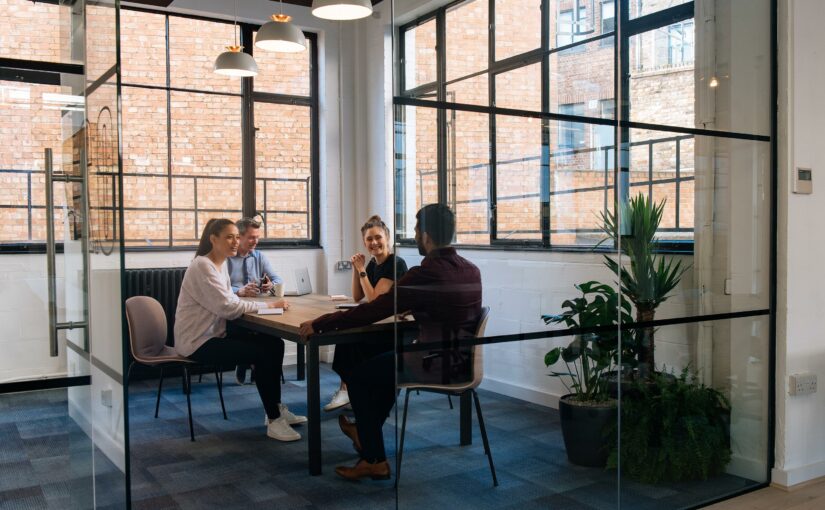
Small meeting rooms can play a surprisingly important role in business decisions. A major contract, successful interview or new partnership does not always begin in a large boardroom. Sometimes, the most meaningful conversations happen around a small table with just a few people.
For businesses across the UK, the right meeting environment can influence concentration, communication and the overall experience. A room does not need to be large to feel professional. It needs to support the people and the purpose of the meeting.
As flexible working continues to change how organisations use office space, smaller meeting rooms offer a practical alternative. Businesses can access professional facilities without maintaining a permanent office or paying for space they rarely use.
Why Small Meeting Rooms Deserve More Attention
When businesses think about meeting facilities, they often picture large conference tables, presentation screens and spacious corporate boardrooms. However, many everyday business conversations involve only two to six people.
A consultant may meet a potential client. A manager may interview a candidate. Two business owners may discuss a partnership. A small project team may need an hour to solve an important problem.
These situations rarely require a large conference room. They need privacy, comfortable seating, suitable facilities and an environment that encourages meaningful discussion.
Choosing a room that matches the group can also create a more comfortable atmosphere. Participants can communicate naturally without feeling lost in an unnecessarily large space.
Small Meeting Rooms Can Encourage Better Conversations
The quality of a meeting depends on more than the agenda. The surrounding environment can influence how comfortably people share ideas, ask questions and make decisions.
A smaller room can help participants maintain eye contact and follow the conversation. Everyone can remain close enough to hear clearly and contribute without unnecessary distractions.
This can be particularly useful for sensitive discussions, planning sessions and one-to-one meetings.
Microsoft’s Work Trend Index research highlights how interruptions and fragmented schedules affect modern working life. Its 2025 analysis found that Microsoft 365 users experienced frequent interruptions from meetings, emails and notifications.
A dedicated meeting environment cannot eliminate every distraction. However, it can help teams protect the time they have set aside for important conversations.
The Right Space Can Influence Client Impressions
First impressions matter when businesses meet customers, suppliers or potential partners. The meeting location can communicate professionalism before anyone begins speaking.
A private, well-presented room can help visitors feel comfortable. It also gives the business a suitable setting for discussing requirements, presenting ideas and answering questions.
Consider a small consultancy meeting a prospective corporate customer. The consultancy may not need a permanent headquarters. However, it still needs a professional environment for an important presentation.
Through BluDesks meeting rooms, businesses can explore spaces according to location, capacity and meeting requirements.
This allows smaller businesses to arrange professional meetings without making long-term office commitments.
Privacy Matters When Important Decisions Are on the Table
Not every business conversation belongs in a shared workspace or public setting. Some discussions involve sensitive information, confidential plans or personal matters.
Recruitment interviews, financial negotiations, performance reviews and customer consultations often benefit from greater privacy.
A dedicated room helps participants speak without worrying about nearby conversations. It can also provide a more suitable setting for reviewing documents or discussing commercial information.
Privacy does not depend on room size alone. Businesses should also consider sound insulation, door placement, visibility and the room’s overall layout.
For important meetings, these practical details deserve as much attention as the room’s appearance.
Small Meeting Rooms Support Interviews and Recruitment
Recruitment provides another reason to consider smaller meeting rooms. Interviews require a comfortable environment where candidates and employers can communicate openly.
A large boardroom may feel unnecessarily formal for a one-to-one interview. A busy coworking area may offer too little privacy.
A suitable small meeting room can provide a better balance. It gives both parties enough space while keeping the conversation focused.
This arrangement can also benefit businesses that operate remotely. They may not need a permanent office but still want to conduct face-to-face interviews professionally.
The same principle applies to employee reviews, mentoring conversations and small training sessions.
Meeting Room Technology Should Match the Purpose
Technology can make a meeting more productive, but only when it supports the activity.
A simple discussion may need comfortable chairs and reliable Wi-Fi. A client presentation may require a screen. A hybrid meeting may need suitable video-conferencing equipment and clear audio.
Businesses should check these requirements before booking rather than assuming every venue offers the same facilities.
Microsoft’s Work Trend Index explores how technology continues to reshape collaboration and workplace expectations.
Yet even as digital tools improve, face-to-face conversations remain valuable for building relationships and making complex decisions.
Our previous article, “Why Face-to-Face Meetings Matter More in an AI-Driven Workplace“, explored this relationship between technology and human interaction.
Location Can Be Just as Important as Room Size
A well-equipped meeting room becomes less convenient when everyone faces a difficult journey.
For businesses with remote employees or customers across different areas, meeting location can influence attendance and punctuality.
Choosing a room near public transport or close to the customer may make the meeting easier to arrange.
A business based outside central London might occasionally need a professional meeting room in the city. Another may prefer a location closer to its project team.
Rather than expecting everyone to travel to one permanent office, businesses can select locations according to each meeting.
This approach supports the wider use of flexible workspaces across different locations.
Coworking Spaces and Meeting Rooms Work Well Together
Small meeting rooms are especially useful when businesses combine them with coworking facilities.
A consultant may spend the morning working from a shared office before meeting a customer privately. A remote employee may use a hot desk and then join colleagues for a project discussion.
These arrangements give professionals access to different environments during the same working day.
Coworking spaces provide professional settings for everyday work. Hot desks offer flexible access for individuals. Meeting rooms provide dedicated space when privacy or collaboration becomes more important.
Together, these options allow businesses to organise work without depending on a traditional office arrangement.
Why Businesses Are Choosing Meeting Rooms on Demand
A business may need a meeting room several times each month rather than every working day.
Maintaining permanent meeting facilities for occasional use can create unnecessary commitments. Booking space when required offers another approach.
Businesses can select a room based on the number of attendees, meeting duration, location and available facilities. They can also choose a different venue when their requirements change.
Our earlier blog, “Why More Businesses are Choosing Workspace on Demand“, examined the value of accessing workspace according to business needs.
For startups, consultants and established organisations, meeting rooms on demand can support a more adaptable operating model.
Professional Space Is About Purpose, Not Size
Our recent article, “From Coffee Shops to Meeting Rooms: Why Professional Space Still Matters”, discussed why some business conversations need more than a convenient public location.
The same principle applies when choosing between small and large meeting rooms.
A large conference room may suit a company presentation or departmental workshop. A smaller room may provide a more suitable setting for interviews, negotiations and focused discussions.
The best choice depends on the activity, the people attending and the outcome the business wants to achieve.
This also connects with “Why the Office Is Becoming a Place to Connect, Not Just a Place to Work“. The article explored how businesses increasingly value physical space for meaningful interaction.
A Professional Business Presence Beyond the Meeting Room
Businesses that use meeting rooms on demand may not need a permanent headquarters. However, they still need a reliable professional presence.
Customers, suppliers and official organisations need clear contact details. Important business correspondence also requires consistent handling.
BluDesks’ sister company, LowCost LetterBox, supports businesses that operate across different locations.
Its Virtual Office London service helps eligible businesses maintain a professional address. Digital Mailroom Management Services can also support correspondence management when teams work remotely.
This combination allows businesses to maintain professional communication while choosing workspace according to demand.
Small Rooms Can Support Big Business Outcomes
A meeting room does not need to impress through size alone. Its real value comes from helping people communicate, collaborate and make decisions.
Small meeting rooms can provide the privacy, focus and professional atmosphere that important conversations deserve. They can support client consultations, interviews, negotiations, planning sessions and smaller team meetings.
Through BluDesks, businesses can explore meeting rooms, coworking spaces and shared workspaces that match their requirements.
The next important business decision may not need a large boardroom. It may simply need the right people, a clear purpose and the right small meeting room.