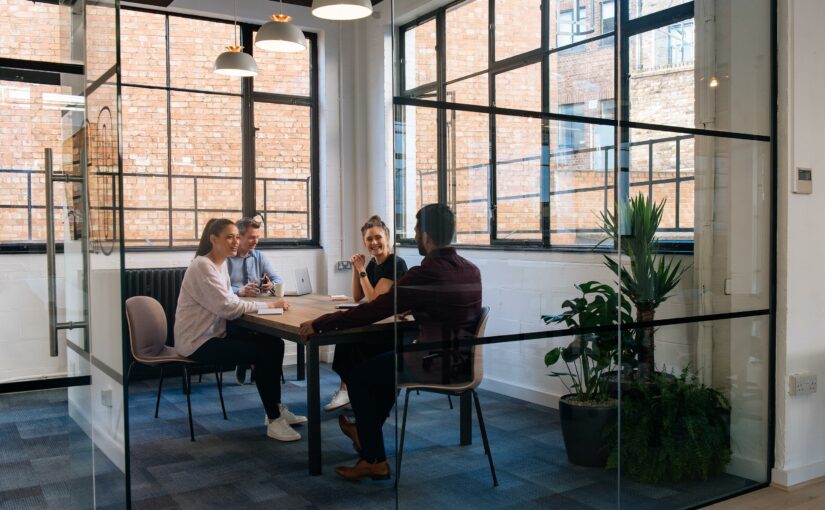
Autumn Budget 2026: Why Flexible Workspaces Could Help UK Businesses Plan Ahead

Date: Thu Oct 29 Author: Marketing Team

Autumn Budget 2026 has placed business costs and economic planning back in the spotlight. Following the Chancellor’s statement on 28 October, UK businesses have an opportunity to review their operating expenses and consider how effectively they use professional workspace.

The Budget addressed economic pressures affecting households and businesses, including energy costs. However, the impact of individual measures will depend on each organisation’s circumstances. Businesses should review the official announcements before making financial decisions.

One practical question remains relevant regardless of tax policy: are businesses paying for more office space than they actually need? From coworking spaces to meeting rooms on demand, flexible workspace options offer different ways to manage professional working requirements.

Autumn Budget 2026: What Has Been Announced?

The Chancellor presented the Autumn Budget to Parliament on Wednesday, 28 October 2026. HM Treasury published the official Budget documents, while the Office for Budget Responsibility released updated economic and fiscal forecasts.

The Government outlined measures addressing economic pressures and supporting investment. The Budget also discussed energy costs and longer-term economic development.

Businesses can review the official Autumn Budget 2026 document for confirmed announcements and implementation details.

The Office for Budget Responsibility’s October 2026 forecast provides further information about the economic outlook.

Not every announcement takes effect immediately. Businesses should check relevant dates, eligibility conditions and official guidance before changing their plans.

Why Business Costs Deserve Attention After the Budget

The Budget provides an opportunity for businesses to review their financial position. However, effective cost management involves more than understanding government announcements.

Businesses also need to examine their existing commitments. Office rent, utilities, internet connections, maintenance and meeting facilities can represent significant ongoing expenditure.

These expenses may continue even when employees work remotely or desks remain unoccupied.

For smaller organisations, reviewing workspace requirements can reveal opportunities to use resources more effectively.

A consultancy might need professional meeting facilities only twice a month. A startup may require individual desks on selected days. Another business might benefit from a permanent office because employees attend regularly.

The important consideration is whether workspace spending reflects actual business requirements.

Could Flexible Workspaces Help Businesses Control Office Costs?

Flexible workspaces allow businesses to access professional facilities without necessarily committing to traditional long-term office arrangements.

Options include coworking spaces, hot desks, shared offices and meeting rooms available for shorter booking periods.

For organisations with changing attendance patterns, this flexibility can help align workspace expenditure with actual demand.

However, flexible arrangements do not automatically guarantee savings. Businesses should compare booking charges, included facilities, travel requirements and expected usage.

A permanent office may remain economical for a team requiring daily access. Businesses needing occasional facilities may find flexible booking more suitable.

Through BluDesks flexible workspaces, organisations can explore professional environments that match their working requirements.

Meeting Rooms in London Without Permanent Office Commitments

Meeting rooms remain essential for client presentations, interviews, training sessions and important business discussions.

However, maintaining dedicated meeting facilities throughout the year may not suit every organisation.

Businesses searching for a meeting room in London can consider venues that provide professional facilities for specific appointments.

Booking meeting rooms on demand allows organisations to choose locations, capacities and facilities according to each meeting.

A small client consultation may require a private room for two people. A project workshop might need a larger space with presentation equipment.

Businesses can explore BluDesks meeting rooms and compare suitable options.

Our previous article, “The Meeting Room Is Changing: Why Businesses Need More Than a Table and Chairs”, explored how technology, comfort and privacy influence modern meeting requirements.

Hot Desks and Day Passes for Changing Work Requirements

Not every professional needs a dedicated desk five days a week. Freelancers, consultants and hybrid employees may require office facilities only occasionally.

A hot desk can provide a professional environment for completing work, attending online meetings and preparing presentations.

Someone searching for a hot desk near me may prioritise convenience and transport connections. Professionals looking to rent a desk in London may need workspace while visiting the capital.

Where available, a day pass can provide access to suitable facilities without a longer commitment.

Businesses can explore hot desks and hot desking through BluDesks.

Before booking, professionals should check access hours, facilities, availability and any additional charges.

Co-working Spaces and the Changing Purpose of Offices

Working patterns have changed how businesses use physical offices. Some employees divide their time between home, traditional workplaces and shared professional environments.

Research published by the Office for National Statistics found that 28% of working adults in Great Britain hybrid worked between January and March 2025.

This provides useful context for understanding why some businesses reconsider their office requirements.

A co-working space can provide a professional setting for individual work while offering opportunities for collaboration.

For businesses exploring a co-working office, BluDesks coworking spaces provide access to different working environments.

The goal is not necessarily to replace every traditional office. It is to choose workspace that supports how employees actually work.

Five Workspace Costs Businesses Should Review

Following the Autumn Budget 2026, businesses can examine several practical areas of workspace expenditure.

1. Permanent Office Rent

Review whether the space occupied reflects current staffing levels and attendance patterns. Consider future requirements before renewing agreements.

2. Underused Desks

Identify how frequently employees use assigned desks. Where attendance varies, flexible desk arrangements may deserve consideration.

3. Meeting Room Facilities

Calculate how often meeting rooms are used. Compare permanent facilities with the cost of booking professional meeting space when required.

4. Office Running Expenses

Review utilities, cleaning, maintenance, equipment and other operational costs. Include these expenses when comparing different workspace arrangements.

5. Workspace Location and Accessibility

Consider travel convenience for employees and customers. A suitable location may improve attendance and reduce unnecessary travel time.

Why Flexible Workspaces Support Better Business Planning

Businesses cannot control every external economic development. However, they can review their existing commitments and make informed operational decisions.

Flexible workspace arrangements may help organisations respond when staffing levels, meeting requirements or working patterns change.

A growing business might need additional desks during a project. A consultant may require a meeting room for an important customer appointment.

Our previous blog, “Why More Businesses are Choosing Workspace on Demand“, explored how flexible access can support changing requirements.

Another article, “Why the Office Is Becoming a Place to Connect, Not Just a Place to Work“, examined the growing importance of purposeful collaboration.

These considerations remain relevant when businesses evaluate their workspace expenditure after the Budget.

Maintaining a Professional Business Presence Without a Permanent Office

Businesses using flexible workspaces still need reliable contact details and professional correspondence arrangements.

Customers, suppliers and official organisations may need to contact a business even when its employees work across different locations.

BluDesks’ sister company, LowCost LetterBox, supports businesses operating without conventional permanent office facilities.

Its Virtual Office London service can help eligible businesses maintain a professional address.

Meanwhile, Digital Mailroom Management Services can support correspondence handling when teams work remotely.

Combined with meeting rooms and coworking facilities, these services can support businesses seeking a more flexible operating model.

Autumn Budget 2026: What Should Businesses Focus on Next?

The Autumn Budget provides new information for businesses to consider when reviewing their financial plans.

Organisations should examine the official measures relevant to their circumstances, confirm implementation dates and seek professional advice where appropriate.

Alongside these steps, reviewing workspace expenditure can provide a clearer understanding of existing operational commitments.

Businesses should consider how frequently employees need desks, how often customers require meeting facilities and whether current arrangements remain suitable.

The objective should be informed decision-making rather than assuming that every organisation needs to reduce office space.

Final Thoughts: Choosing the Right Workspace After the Budget

The Autumn Budget 2026 has brought renewed attention to economic conditions and business planning. However, practical decisions about workspace remain important regardless of government policy.

Permanent offices continue to serve many organisations effectively. For others, coworking spaces, hot desks and meeting rooms on demand may offer a more suitable approach.

Through BluDesks, businesses can explore meeting rooms, co-working spaces, hot desks and flexible workspaces according to their requirements.

The right workspace strategy begins with understanding how a business operates, what facilities it needs and where its resources deliver the greatest value.

Explore BluDesks.com to discover professional workspace options for your next working day, client meeting or team collaboration.


Before the Autumn Budget 2026: Could Flexible Workspaces Help Businesses Control Costs?

Date: Thu Oct 22 Author: Marketing Team

Flexible workspaces could become an important consideration for UK businesses reviewing their operating costs before the Autumn Budget 2026. With the Budget scheduled for 28 October, many organisations have an opportunity to examine their spending, workspace requirements and future business plans.

While the Government has not yet announced the Budget measures, businesses do not need to wait before reviewing their existing commitments. Office rent, meeting facilities and unused desks can all influence monthly expenditure.

Could coworking spaces, hot desks and meeting rooms on demand offer a more practical approach? The answer depends on how frequently a business needs professional workspace and what facilities its employees require.

Autumn Budget 2026: What Has Been Confirmed?

The UK Government has confirmed that the Autumn Budget will take place on Wednesday, 28 October 2026.

According to HM Treasury’s official announcement, the Chancellor will present the Budget on that date.

The Office for Budget Responsibility will also publish updated economic and fiscal forecasts after the Budget statement.

At the time of writing, the forthcoming measures have not been formally announced. Businesses should therefore avoid making financial decisions based on rumours or predictions.

However, reviewing existing operating costs remains a sensible exercise regardless of the eventual announcements.

Why Businesses Should Review Office Costs Before Budget Day

Office expenditure involves more than monthly rent. Businesses may also pay for utilities, cleaning, furniture, internet connections, maintenance and meeting facilities.

These costs can continue even when employees work remotely or certain areas remain unused.

Before committing to another year of office expenditure, businesses can review how often employees actually use their workspace.

For example, a small consultancy may need professional facilities only when meeting clients. A growing startup might require individual desks during the week and a meeting room twice a month.

Understanding these patterns can help organisations identify whether their existing arrangements remain suitable.

Could Flexible Workspaces Offer Better Cost Control?

Flexible workspaces allow businesses to access professional environments according to their requirements. Options may include coworking areas, hot desks, shared offices and bookable meeting rooms.

Instead of maintaining the same amount of office space throughout the year, organisations can consider facilities that match their actual working patterns.

This approach may reduce unnecessary commitments for businesses with occasional workspace needs. However, it does not automatically guarantee lower costs.

A company using workspace every day may find a permanent arrangement more economical. Another business requiring only occasional access may benefit from flexible booking.

Through BluDesks flexible workspaces, organisations can explore professional environments that suit different working requirements.

Meeting Rooms on Demand Instead of Permanent Facilities

Meeting rooms are essential for client presentations, interviews, training sessions and confidential discussions. However, businesses may not require dedicated meeting facilities every day.

A permanent boardroom can represent an ongoing commitment, even when it remains empty between appointments.

Booking meeting rooms when required offers an alternative. Businesses can select facilities based on attendance, location, duration and available equipment.

Someone searching for a meeting room in London may need a professional location for just a few hours rather than an entire working week.

BluDesks provides access to meeting rooms for different business requirements.

Our previous article, “The Meeting Room Is Changing: Why Businesses Need More Than a Table and Chairs”, explored why technology, privacy and convenience matter when choosing meeting facilities.

Hot Desks and Day Passes for Occasional Office Use

Not every professional needs a permanent desk. Freelancers, consultants and hybrid employees may only require workspace on selected days.

A hot desk can provide a practical environment for completing tasks, attending online meetings and working away from home.

Professionals searching for a hot desk near me often want convenience and flexibility. Others may search for rent a desk London when visiting the capital for business.

Where available, a day pass can provide access to workspace without requiring a longer commitment.

Businesses can explore BluDesks hot desks and compare suitable facilities before booking.

Co-working Spaces and Changing Working Patterns

Hybrid working has changed how many businesses use office space. Employees may divide their time between home, shared workplaces and traditional offices.

According to the Office for National Statistics, 28% of working adults in Great Britain hybrid worked between January and March 2025.

This illustrates why some organisations may need a different balance between permanent and occasional workspace.

A co-working space can support individual productivity while providing access to a professional working environment.

For businesses seeking a co-working office, BluDesks coworking spaces offer another way to explore flexible working arrangements.

London Workspace Costs: Why Location Matters

Workspace prices can vary considerably across London. Location, facilities, capacity and contract terms all influence the overall cost.

A Hubble report published in August 2026 recorded average Central London flexible office asking prices of £539 per desk per month during the second quarter of 2026.

The report also identified differences between London districts. These figures represent market averages rather than BluDesks prices or guaranteed booking rates.

Businesses should compare total costs alongside location, transport accessibility and included facilities.

A conveniently located meeting room may sometimes offer greater practical value than a cheaper venue requiring difficult journeys.

Five Workspace Questions to Consider Before the Budget

Businesses reviewing their workspace expenditure can begin with five practical questions:

  • How many desks are regularly occupied during the working week?
  • How frequently do employees need private meeting rooms?
  • Could coworking facilities support occasional office attendance?
  • Are existing office commitments suitable for future staffing requirements?
  • Would booking workspace on demand provide better flexibility?

The answers can help businesses assess their requirements before making new commitments.

Our earlier article, “Why More Businesses are Choosing Workspace on Demand“, explored how flexible access can support changing business needs.

Maintaining a Professional Business Presence

Reducing dependence on permanent office space does not mean businesses should compromise their professional presence.

Customers, suppliers and official organisations still need reliable contact details and correspondence arrangements.

BluDesks’ sister company, LowCost LetterBox, provides services for businesses operating across different locations.

Its Virtual Office London service can support a professional business address, while Digital Mailroom Management Services help businesses manage correspondence remotely.

These services can complement flexible workspace arrangements without requiring a conventional permanent office.

Preparing for the Autumn Budget Without Predicting the Outcome

The Autumn Budget may influence future business planning, but its measures should only be assessed once officially announced.

In the meantime, businesses can review existing commitments, compare workspace options and identify areas where greater flexibility may be useful.

Our article, “Why the Office Is Becoming a Place to Connect, Not Just a Place to Work“, examined how businesses increasingly use physical space for purposeful collaboration.

That approach remains relevant when evaluating workspace costs. The goal is not necessarily to eliminate office space, but to choose facilities that match actual business needs.

Flexible Workspaces: A Practical Business Planning Option

With the Autumn Budget 2026 approaching, businesses have a timely opportunity to examine how effectively they use professional workspace.

Permanent offices remain appropriate for many organisations. However, coworking spaces, hot desks and meeting rooms on demand can offer alternatives for businesses with changing requirements.

Through BluDesks, businesses can explore meeting rooms, co-working spaces and flexible workspaces according to their operational needs.

Whatever the Budget announces, understanding workspace costs and choosing suitable facilities can help businesses make more informed decisions for the year ahead.

The Meeting Room Is Changing: Why Businesses Need More Than a Table and Chairs

Date: Thu Oct 15 Author: Marketing Team

Modern meeting rooms are becoming more important as businesses rethink how they use professional workspace. A meeting room is no longer simply a table surrounded by chairs. Today, businesses expect reliable technology, privacy, comfort and an environment that supports productive conversations.

From client presentations to hybrid meetings, the purpose of professional space continues to evolve. Businesses also want more choice over location, room size and booking duration.

For organisations searching for a meeting room in London, the right facilities can make a meaningful difference. A suitable environment can support better communication, stronger relationships and more effective decisions.

Why Modern Meeting Rooms Are Changing

Traditional offices often included meeting rooms that remained empty for much of the working week. Businesses maintained these facilities whether employees needed them or not.

Flexible working has encouraged organisations to reconsider that arrangement. Teams may work remotely for several days before gathering for presentations, workshops or important discussions.

Research from the Office for National Statistics found that 28% of working adults in Great Britain hybrid worked during early 2025.

This shift creates a different requirement. Businesses still need professional meeting facilities, but they may not need permanent access every day.

Modern meeting rooms therefore need to offer more than physical space. They must support the way people communicate and collaborate today.

Technology Is Now Part of the Meeting Experience

Technology has become a central consideration when choosing a meeting room. A comfortable table and chairs remain useful, but they cannot support every modern business activity.

Client presentations may require large screens. Hybrid meetings may need cameras, microphones and suitable audio equipment. Workshops may benefit from whiteboards and presentation facilities.

Reliable internet access also matters. Technical interruptions can waste valuable meeting time and distract participants from the discussion.

The importance of these facilities continues to grow. A 2026 ITPro report on meeting room technology highlights the challenges businesses face with complicated video-conferencing equipment.

Before booking, businesses should check the facilities available at each venue. The right technology depends on the purpose of the meeting.

A Meeting Room in London Needs the Right Location

Location can influence whether a business meeting runs smoothly. This is particularly important in London, where participants may travel from different parts of the city.

A conveniently located room can reduce unnecessary journeys and make attendance easier. Access to public transport, nearby facilities and clear directions can all improve the experience.

A consultant meeting a client may prefer a location close to the customer’s office. A project team may choose somewhere convenient for employees travelling from different areas.

Through BluDesks meeting rooms, businesses can explore professional venues according to their location and requirements.

This gives organisations more flexibility than relying on one permanent meeting location.

Privacy and Comfort Support Better Business Conversations

Some business discussions require greater privacy than a shared office or public venue can provide.

Recruitment interviews, customer consultations and contract negotiations often involve sensitive information. A dedicated meeting room can offer a more appropriate environment.

Comfort also matters. Suitable lighting, ventilation, seating and room layout can help participants concentrate throughout the meeting.

Businesses should consider sound insulation and visual privacy when discussing confidential matters. A professional room should support both communication and discretion.

The Information Commissioner’s Office also advises organisations to consider privacy and data protection when recording online meetings.

A suitable physical environment forms one part of responsible business communication.

Co-working Spaces Are Changing How Teams Meet

The growth of the co-working space market has created new opportunities for businesses that need occasional professional facilities.

A co-working office can provide a productive setting for everyday tasks. Dedicated meeting rooms within flexible workspace environments can support more private conversations.

According to CoworkingCafe’s Q2 2026 industry report, the UK had approximately 4,415 flexible workspace locations. Greater London accounted for 1,275 of them.

This expanding market gives businesses different ways to access workspace without maintaining a traditional office.

Through BluDesks co-working spaces, professionals can explore flexible environments that suit their working requirements.

Hot Desks and Day Passes Add More Flexibility

A meeting may last only one hour, but the working day often continues afterwards. Professionals may need somewhere to prepare documents, answer emails or complete other tasks.

This is where a hot desk can provide additional value.

People searching for a hot desk near me often want convenient workspace without a long-term commitment. Others may search for rent a desk London when visiting the capital for business.

A day pass can offer another practical option where venues provide one. It may allow professionals to access suitable facilities for a working day.

BluDesks offers access to hot desks and hot desking options for people who need flexible professional workspace.

Businesses should compare access conditions and available facilities before booking.

Meeting Rooms Should Match the Purpose of the Meeting

Not every meeting needs the same environment. A two-person interview has different requirements from a ten-person workshop.

Client presentations may need display screens and a formal layout. Brainstorming sessions may benefit from flexible seating and whiteboards.

The most useful meeting room is not necessarily the largest or most expensive. It is the room that supports the activity.

Our previous article, “Small Meeting Rooms, Big Business Decisions: Why the Right Space Matters”, explored how smaller professional spaces support interviews, negotiations and focused discussions.

That principle also applies to larger meeting facilities. Businesses should consider attendee numbers, meeting duration, technology and location before making a booking.

Professional Meeting Space Still Matters

Modern technology allows people to communicate from almost anywhere. However, that does not mean every location provides the same experience.

A coffee shop may suit an informal conversation. A professional meeting room can provide greater privacy, suitable equipment and a more focused setting.

Our recent blog, “From Coffee Shops to Meeting Rooms: Why Professional Space Still Matters”, discussed why businesses should consider the environment before arranging important conversations.

Another article, “Why Face-to-Face Meetings Matter More in an AI-Driven Workplace“, explored the value of human interaction as digital technology develops.

The modern meeting room brings these ideas together. It combines professional facilities with the flexibility businesses increasingly expect.

Flexible Workspace Supports Businesses Without Permanent Offices

Many businesses no longer need permanent office facilities for every activity. Consultants, startups and remote teams can organise work across different locations.

However, they still need access to professional environments when meeting customers or working together.

Flexible workspace and shared workspace options allow organisations to choose facilities according to their needs.

Our earlier article, “Why More Businesses are Choosing Workspace on Demand“, examined why access to professional space can be more useful than permanent commitments.

Meeting rooms on demand fit naturally into this approach.

A Flexible Business Still Needs a Professional Address

Businesses may work from multiple locations, but customers and suppliers still need reliable contact details.

BluDesks’ sister company, LowCost LetterBox, supports businesses that operate without a permanent office.

Its Virtual Office London service can help businesses maintain a professional address. Digital Mailroom Management Services can support correspondence management across different working locations.

Together with flexible meeting facilities, these services can support a professional business presence without relying on one traditional office.

The Future of Meeting Rooms Is About More Than Furniture

Modern meeting rooms must respond to changing business expectations. Organisations increasingly value connectivity, convenience, privacy and flexible booking options.

A meeting room should support the purpose of the discussion rather than simply provide somewhere to sit.

Through BluDesks, businesses can explore meeting rooms, co-working spaces, hot desks and flexible working environments.

Modern meeting rooms are no longer defined by tables and chairs alone. The right combination of space, technology and accessibility can help businesses make every meeting more effective.

Small Meeting Rooms, Big Business Decisions: Why the Right Space Matters

Date: Thu Oct 8 Author: Marketing Team

Small meeting rooms can play a surprisingly important role in business decisions. A major contract, successful interview or new partnership does not always begin in a large boardroom. Sometimes, the most meaningful conversations happen around a small table with just a few people.

For businesses across the UK, the right meeting environment can influence concentration, communication and the overall experience. A room does not need to be large to feel professional. It needs to support the people and the purpose of the meeting.

As flexible working continues to change how organisations use office space, smaller meeting rooms offer a practical alternative. Businesses can access professional facilities without maintaining a permanent office or paying for space they rarely use.

Why Small Meeting Rooms Deserve More Attention

When businesses think about meeting facilities, they often picture large conference tables, presentation screens and spacious corporate boardrooms. However, many everyday business conversations involve only two to six people.

A consultant may meet a potential client. A manager may interview a candidate. Two business owners may discuss a partnership. A small project team may need an hour to solve an important problem.

These situations rarely require a large conference room. They need privacy, comfortable seating, suitable facilities and an environment that encourages meaningful discussion.

Choosing a room that matches the group can also create a more comfortable atmosphere. Participants can communicate naturally without feeling lost in an unnecessarily large space.

Small Meeting Rooms Can Encourage Better Conversations

The quality of a meeting depends on more than the agenda. The surrounding environment can influence how comfortably people share ideas, ask questions and make decisions.

A smaller room can help participants maintain eye contact and follow the conversation. Everyone can remain close enough to hear clearly and contribute without unnecessary distractions.

This can be particularly useful for sensitive discussions, planning sessions and one-to-one meetings.

Microsoft’s Work Trend Index research highlights how interruptions and fragmented schedules affect modern working life. Its 2025 analysis found that Microsoft 365 users experienced frequent interruptions from meetings, emails and notifications.

A dedicated meeting environment cannot eliminate every distraction. However, it can help teams protect the time they have set aside for important conversations.

The Right Space Can Influence Client Impressions

First impressions matter when businesses meet customers, suppliers or potential partners. The meeting location can communicate professionalism before anyone begins speaking.

A private, well-presented room can help visitors feel comfortable. It also gives the business a suitable setting for discussing requirements, presenting ideas and answering questions.

Consider a small consultancy meeting a prospective corporate customer. The consultancy may not need a permanent headquarters. However, it still needs a professional environment for an important presentation.

Through BluDesks meeting rooms, businesses can explore spaces according to location, capacity and meeting requirements.

This allows smaller businesses to arrange professional meetings without making long-term office commitments.

Privacy Matters When Important Decisions Are on the Table

Not every business conversation belongs in a shared workspace or public setting. Some discussions involve sensitive information, confidential plans or personal matters.

Recruitment interviews, financial negotiations, performance reviews and customer consultations often benefit from greater privacy.

A dedicated room helps participants speak without worrying about nearby conversations. It can also provide a more suitable setting for reviewing documents or discussing commercial information.

Privacy does not depend on room size alone. Businesses should also consider sound insulation, door placement, visibility and the room’s overall layout.

For important meetings, these practical details deserve as much attention as the room’s appearance.

Small Meeting Rooms Support Interviews and Recruitment

Recruitment provides another reason to consider smaller meeting rooms. Interviews require a comfortable environment where candidates and employers can communicate openly.

A large boardroom may feel unnecessarily formal for a one-to-one interview. A busy coworking area may offer too little privacy.

A suitable small meeting room can provide a better balance. It gives both parties enough space while keeping the conversation focused.

This arrangement can also benefit businesses that operate remotely. They may not need a permanent office but still want to conduct face-to-face interviews professionally.

The same principle applies to employee reviews, mentoring conversations and small training sessions.

Meeting Room Technology Should Match the Purpose

Technology can make a meeting more productive, but only when it supports the activity.

A simple discussion may need comfortable chairs and reliable Wi-Fi. A client presentation may require a screen. A hybrid meeting may need suitable video-conferencing equipment and clear audio.

Businesses should check these requirements before booking rather than assuming every venue offers the same facilities.

Microsoft’s Work Trend Index explores how technology continues to reshape collaboration and workplace expectations.

Yet even as digital tools improve, face-to-face conversations remain valuable for building relationships and making complex decisions.

Our previous article, “Why Face-to-Face Meetings Matter More in an AI-Driven Workplace“, explored this relationship between technology and human interaction.

Location Can Be Just as Important as Room Size

A well-equipped meeting room becomes less convenient when everyone faces a difficult journey.

For businesses with remote employees or customers across different areas, meeting location can influence attendance and punctuality.

Choosing a room near public transport or close to the customer may make the meeting easier to arrange.

A business based outside central London might occasionally need a professional meeting room in the city. Another may prefer a location closer to its project team.

Rather than expecting everyone to travel to one permanent office, businesses can select locations according to each meeting.

This approach supports the wider use of flexible workspaces across different locations.

Coworking Spaces and Meeting Rooms Work Well Together

Small meeting rooms are especially useful when businesses combine them with coworking facilities.

A consultant may spend the morning working from a shared office before meeting a customer privately. A remote employee may use a hot desk and then join colleagues for a project discussion.

These arrangements give professionals access to different environments during the same working day.

Coworking spaces provide professional settings for everyday work. Hot desks offer flexible access for individuals. Meeting rooms provide dedicated space when privacy or collaboration becomes more important.

Together, these options allow businesses to organise work without depending on a traditional office arrangement.

Why Businesses Are Choosing Meeting Rooms on Demand

A business may need a meeting room several times each month rather than every working day.

Maintaining permanent meeting facilities for occasional use can create unnecessary commitments. Booking space when required offers another approach.

Businesses can select a room based on the number of attendees, meeting duration, location and available facilities. They can also choose a different venue when their requirements change.

Our earlier blog, “Why More Businesses are Choosing Workspace on Demand“, examined the value of accessing workspace according to business needs.

For startups, consultants and established organisations, meeting rooms on demand can support a more adaptable operating model.

Professional Space Is About Purpose, Not Size

Our recent article, “From Coffee Shops to Meeting Rooms: Why Professional Space Still Matters”, discussed why some business conversations need more than a convenient public location.

The same principle applies when choosing between small and large meeting rooms.

A large conference room may suit a company presentation or departmental workshop. A smaller room may provide a more suitable setting for interviews, negotiations and focused discussions.

The best choice depends on the activity, the people attending and the outcome the business wants to achieve.

This also connects with “Why the Office Is Becoming a Place to Connect, Not Just a Place to Work“. The article explored how businesses increasingly value physical space for meaningful interaction.

A Professional Business Presence Beyond the Meeting Room

Businesses that use meeting rooms on demand may not need a permanent headquarters. However, they still need a reliable professional presence.

Customers, suppliers and official organisations need clear contact details. Important business correspondence also requires consistent handling.

BluDesks’ sister company, LowCost LetterBox, supports businesses that operate across different locations.

Its Virtual Office London service helps eligible businesses maintain a professional address. Digital Mailroom Management Services can also support correspondence management when teams work remotely.

This combination allows businesses to maintain professional communication while choosing workspace according to demand.

Small Rooms Can Support Big Business Outcomes

A meeting room does not need to impress through size alone. Its real value comes from helping people communicate, collaborate and make decisions.

Small meeting rooms can provide the privacy, focus and professional atmosphere that important conversations deserve. They can support client consultations, interviews, negotiations, planning sessions and smaller team meetings.

Through BluDesks, businesses can explore meeting rooms, coworking spaces and shared workspaces that match their requirements.

The next important business decision may not need a large boardroom. It may simply need the right people, a clear purpose and the right small meeting room.

From Coffee Shops to Meeting Rooms: Why Professional Space Still Matters

Date: Thu Oct 1 Author: Marketing Team

Professional meeting space still matters in a working world built around flexibility. A coffee shop can be convenient for checking emails or catching up between appointments. However, an important client meeting, interview or team discussion often needs something more.

Privacy, reliable connectivity, comfortable seating and a professional setting can change the quality of a conversation. They can also influence how customers, colleagues and potential employees experience your business.

As flexible and hybrid working continue to shape UK workplaces, businesses have more choice over where work happens. The challenge is knowing when an informal location works and when a dedicated meeting room becomes the better option.

The Coffee Shop Became Part of Flexible Working

Coffee shops have become familiar places for mobile professionals. They are easy to find, require little planning and can work well for short periods between appointments.

For individual tasks, that convenience can be useful. Someone may answer emails, review a document or prepare notes while having a coffee.

The problem starts when the task changes.

A client conversation may involve private information. An interview needs concentration. A sales presentation may require a screen and dependable internet. A team discussion may need enough space for several people to work together.

At that point, convenience alone may no longer be enough.

Flexible Working Has Not Removed the Need for Professional Space

Flexible working is now an established part of UK working life. The Office for National Statistics found that 28% of working adults in Great Britain hybrid worked between January and March 2025.

The CIPD also highlights the continuing demand for flexibility over where and when people work.

That does not mean every location works equally well for every activity.

Flexible working gives businesses more options. It should also encourage them to choose those options carefully. A home office may suit focused work. A coworking space may suit a full working day. A dedicated meeting room may suit an important conversation.

Privacy Can Change the Choice of Workspace

Privacy is one of the clearest differences between a public venue and a professional meeting room.

Imagine discussing a new contract while people sit at the next table. Consider interviewing a candidate while customers move around nearby. Think about reviewing confidential information on a laptop where other people can see the screen.

These situations can make both parties uncomfortable.

The National Cyber Security Centre advises remote and mobile users to consider who may be able to see their screens. Its guidance also stresses the importance of keeping business information secure.

For conversations involving customers, employees or sensitive business matters, a private room provides clearer boundaries.

Public Wi-Fi Adds Another Consideration

Connectivity matters when people work away from a traditional office. However, access to Wi-Fi does not automatically make a location suitable for every business activity.

The National Cyber Security Centre has highlighted risks linked to public Wi-Fi and public working locations. Its guidance notes that businesses should consider the security implications of accessing corporate resources from places such as cafés.

A professional workspace cannot remove every digital security risk. Businesses still need suitable cyber security policies and secure devices. However, choosing an appropriate work environment can form part of a more considered approach.

For an important presentation or client meeting, reliable facilities also reduce unnecessary distractions.

First Impressions Still Matter in Business Meetings

Where you meet someone can influence the tone of the conversation before it begins.

A coffee shop can feel relaxed and informal. Sometimes that is exactly what the meeting needs. However, the same atmosphere may not suit a contract negotiation, investor discussion or formal interview.

A professional meeting room gives businesses greater control over the experience. The environment can feel more focused and intentional. It also gives participants a clear place to sit, talk and work without competing with the surrounding public space.

Professional does not have to mean traditional or corporate. It simply means choosing a space that supports the purpose of the meeting.

Meeting Rooms Can Make Collaboration Easier

Professional meeting space is not only for customers.

Hybrid and remote teams may spend much of the week working independently. When they come together, they often need space for a specific reason.

They may be planning a project, reviewing performance or solving a difficult problem. They could also be running a workshop, training employees or welcoming a new team member.

These activities benefit from an environment designed for discussion.

Our recent article, “Why Face-to-Face Meetings Matter More in an AI-Driven Workplace”, explored the continuing value of human interaction as technology handles more routine work.

When people make the effort to meet physically, the quality of the space deserves consideration too.

Coworking Spaces Fill the Gap Between Home and the Office

Not every professional needs a private meeting room for the entire day. Sometimes the requirement is simply a reliable place to work before or after a meeting.

This is where coworking spaces become useful.

They can offer more structure than a coffee shop without requiring a permanent office. Freelancers, consultants, remote employees and travelling professionals can use them when home or public spaces do not suit the working day.

Hot desks provide another option for people who only need professional workspace occasionally.

This creates a useful combination. Someone can work from a coworking environment and book a private room when an important meeting begins.

Purposeful Work Means Choosing Space for the Situation

Last week, we explored this idea in “From Remote Work to Purposeful Work: Choosing the Right Workspace for Every Task”. The principle was simple. Businesses should start with the task and then choose the environment.

That principle applies perfectly to coffee shops and meeting rooms.

There is nothing wrong with working from a café when the activity suits it. The mistake is assuming that one convenient location can support every type of professional work.

Our earlier article, “Why the Office Is Becoming a Place to Connect, Not Just a Place to Work”, reached a similar conclusion. Physical workspace becomes more valuable when people use it for activities that benefit from being together.

Professional Meeting Space Does Not Need to Be Permanent

Businesses once needed their own office if they wanted access to professional meeting facilities. Flexible workspace has changed that model.

Companies can now access meeting rooms when they need them. They can choose space according to location, capacity and the purpose of the meeting.

This approach can suit businesses with remote teams, consultants who travel between clients and companies without a permanent office. It can also support organisations that need additional meeting capacity occasionally.

Our article, “Why More Businesses are Choosing Workspace on Demand”, looked at this shift in greater detail.

Instead of maintaining space for every possible requirement, businesses can access professional environments when those environments add value.

A Flexible Business Still Needs a Professional Presence

The same principle extends beyond workspace.

A business may use coworking spaces and meeting rooms instead of a permanent headquarters. However, customers and suppliers still need consistency. Important correspondence also needs reliable management.

BluDesks’ sister company, LowCost LetterBox, supports businesses that operate flexibly. Its Virtual Office London service can provide a professional business presence without depending on a permanent workplace.

Digital Mailroom Management Services can also help businesses manage correspondence while teams work across different locations.

Choose the Space That Matches the Conversation

Coffee shops still have a place in modern working life. They are convenient, accessible and useful for informal work.

But convenience should not be the only consideration.

When privacy, concentration, collaboration or first impressions matter, professional meeting space can provide a more suitable environment. Coworking spaces can also give professionals a productive base between meetings.

BluDesks helps businesses discover meeting rooms, coworking spaces, hot desks and flexible workspaces for different business needs.

The modern workplace is not about choosing one location for everything. It is about having access to the right environment when it matters. A coffee shop may work for an email. For the conversation that could shape your next business opportunity, a professional meeting room may make far more sense.