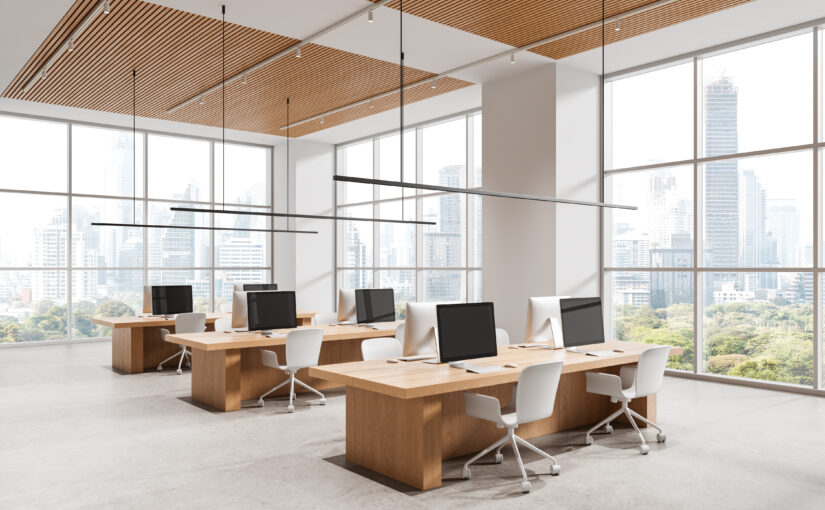
The future of business is increasingly flexible rather than fixed. UK companies now operate in an environment shaped by changing customer expectations, hybrid teams, economic uncertainty and rapid technological development. Businesses that depend on one office, one location or one rigid way of working may find it harder to respond when circumstances change.
Flexibility does not mean removing structure or abandoning professional workplaces. Instead, it means giving a business more than one way to operate. Employees may work from a main office, a coworking space, a hot desk closer to home or a professional meeting room near a client.
This approach allows organisations to match their workspace to the work they need to complete. It can also help them protect cash flow, support employees and expand into new locations without making every decision permanent.
Why Fixed Business Models Create New Risks
Traditional business models often depend on predictability. A company signs a long office lease, expects employees to travel to one location and builds its operations around that building.
However, demand does not always remain predictable. Team sizes change, customers move, transport problems affect travel and new opportunities appear in different locations. A workplace that once suited the business can become expensive or restrictive.
Fixed commitments can also reduce the ability to react. If a business pays for space regardless of how often employees use it, property costs continue even when desks and meeting rooms remain empty.
A flexible model reduces this dependence. It allows companies to increase or reduce workspace according to actual requirements rather than assumptions made several years earlier.
Flexible Does Not Mean Fully Remote
The debate about modern work often presents two choices: everyone works in a permanent office, or everyone works remotely. Most businesses need something between these extremes.
Some tasks benefit from working independently. Others require face-to-face collaboration, privacy, presentation facilities or direct customer contact. The right workplace strategy recognises these differences.
Official data from the Office for National Statistics shows that hybrid working remains part of working life in Great Britain. This does not make the office unnecessary. Instead, it changes the purpose of workplace attendance.
Employees may come together for customer meetings, training, planning or team development. On other days, they may work from a location that supports concentration or reduces unnecessary travel.
Professional Workspace Still Matters
Technology allows people to work from many locations, but not every location creates the right professional environment. Homes, cafés and hotel rooms may lack privacy, reliable internet or suitable facilities.
A confidential conversation needs a private room. A customer presentation needs dependable technology. A planning session needs enough space for people to collaborate comfortably.
Through BluDesks, businesses can access professional workspace according to the activity in front of them. They can book meeting rooms for presentations, interviews, consultations and team discussions.
They can also use coworking spaces and hot desks when employees need a productive environment outside the main office.
The Right Space for the Right Task
A flexible business begins with the task rather than the building. Leaders should ask what people need to achieve before deciding where they should work.
A salesperson may need a meeting room close to a potential client. A project team may need a collaborative space for one day. A travelling director may need a quiet desk between appointments. A remote employee may need professional workspace when working from home becomes unsuitable.
Using flexible workspaces and shared workspaces allows businesses to select an environment that fits each requirement.
This can improve productivity because employees spend less time adapting unsuitable spaces. It can also make workplace spending more purposeful because the business pays for facilities when they create value.
Flexibility Helps Businesses Control Costs
Fixed office costs can limit the amount a business invests in recruitment, marketing, technology and customer service. Rent is only one expense. Businesses must also consider rates, utilities, furniture, maintenance, cleaning and unused capacity.
Our previous article, “How to Beat London’s Sky-High Office Rents in 2026”, explored why companies are reconsidering expensive permanent workplace commitments.
Workspace on demand gives businesses another option. They can retain the space they use regularly and access additional facilities when required. This avoids paying every day for meeting rooms or desks that the team only needs occasionally.
Flexibility therefore supports growth without forcing businesses to choose between professionalism and cost control.
Flexible Infrastructure Supports Expansion
A company entering a new city may not know how quickly local demand will develop. Leasing premises before testing the market can create unnecessary risk.
Flexible workspace allows the company to establish a presence gradually. Employees can meet customers locally, use workspace while travelling and bring regional teams together without opening a permanent office immediately.
Our article, “Business Expansion Starts with the Right Infrastructure”, explains why scalable workspace and administrative systems give growing companies more control.
Businesses can use flexible access to study demand, understand local requirements and build customer relationships before making a larger commitment. This allows infrastructure to follow opportunity rather than restrict it.
A Flexible Business Can Respond to Disruption
Companies that rely entirely on one building can struggle when transport disruption, extreme weather or local incidents affect access. Even a temporary problem can delay meetings and reduce productivity.
The BluDesks article “Train Delays, Tube Disruption and Business Productivity” examined how travel problems can affect employees and customers.
Flexible workspace creates alternatives. A customer meeting can move to another professional location. Employees can use workspace closer to home. A regional team can meet without travelling to headquarters.
This does not remove disruption, but it can reduce the effect on customers, employees and business operations.
People Also Expect Greater Flexibility
Workplace flexibility now influences recruitment and retention. Employees increasingly consider commuting time, work location and the suitability of the working environment when evaluating a role.
Current UK government guidance on flexible working explains that employees can request changes to their hours, working pattern or place of work.
Businesses still need to consider customer coverage, collaboration and operational requirements. However, offering suitable choices can help employees work more effectively and reduce unnecessary travel pressure.
Our recent article, “How Flexible Working Supports Better Customer Service”, showed how well-designed flexibility can improve response times, collaboration and professional customer interactions.
Flexible Teams Need a Stable Business Presence
Employees may work from different locations, but the company still needs a consistent professional identity. Customers, suppliers and official bodies need a reliable address, while important correspondence must reach the right person.
BluDesks’ sister company, LowCost LetterBox, supports this part of a flexible operating model. A Virtual Office London service can help a business maintain a professional address without depending on a full-time office.
A Registered Office Address can support eligible companies with compliance and privacy. Meanwhile, Digital Mailroom Management Services can help teams receive and process correspondence while working across different locations.
Together, these services create stability behind a flexible workforce. The team can move while the business maintains a consistent professional presence.
Build a Business Around Access, Not Ownership
The future of business is not about removing offices. It is about using them more intelligently. Companies still need professional places to meet, collaborate, focus and serve customers, but they do not always need to own or lease every space they use.
An access-based model gives businesses greater choice. They can use the right workspace in the right location without allowing property commitments to control every decision.
BluDesks gives businesses access to meeting rooms, coworking spaces, hot desks, flexible workspaces and shared workspaces</a according to demand. LowCost LetterBox complements this model with professional address and mail management services.
The future of business belongs to organisations that can adapt without losing professionalism. Flexible workspace and reliable digital infrastructure give companies room to respond, expand and support their people. Business will continue to need places to work, but those places no longer need to remain fixed.