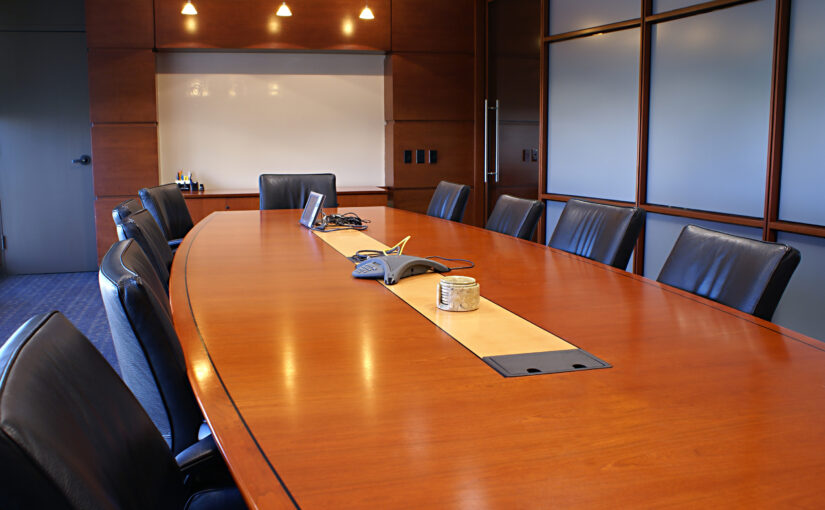
Modern meeting rooms are becoming more important as businesses rethink how they use professional workspace. A meeting room is no longer simply a table surrounded by chairs. Today, businesses expect reliable technology, privacy, comfort and an environment that supports productive conversations.
From client presentations to hybrid meetings, the purpose of professional space continues to evolve. Businesses also want more choice over location, room size and booking duration.
For organisations searching for a meeting room in London, the right facilities can make a meaningful difference. A suitable environment can support better communication, stronger relationships and more effective decisions.
Why Modern Meeting Rooms Are Changing
Traditional offices often included meeting rooms that remained empty for much of the working week. Businesses maintained these facilities whether employees needed them or not.
Flexible working has encouraged organisations to reconsider that arrangement. Teams may work remotely for several days before gathering for presentations, workshops or important discussions.
Research from the Office for National Statistics found that 28% of working adults in Great Britain hybrid worked during early 2025.
This shift creates a different requirement. Businesses still need professional meeting facilities, but they may not need permanent access every day.
Modern meeting rooms therefore need to offer more than physical space. They must support the way people communicate and collaborate today.
Technology Is Now Part of the Meeting Experience
Technology has become a central consideration when choosing a meeting room. A comfortable table and chairs remain useful, but they cannot support every modern business activity.
Client presentations may require large screens. Hybrid meetings may need cameras, microphones and suitable audio equipment. Workshops may benefit from whiteboards and presentation facilities.
Reliable internet access also matters. Technical interruptions can waste valuable meeting time and distract participants from the discussion.
The importance of these facilities continues to grow. A 2026 ITPro report on meeting room technology highlights the challenges businesses face with complicated video-conferencing equipment.
Before booking, businesses should check the facilities available at each venue. The right technology depends on the purpose of the meeting.
A Meeting Room in London Needs the Right Location
Location can influence whether a business meeting runs smoothly. This is particularly important in London, where participants may travel from different parts of the city.
A conveniently located room can reduce unnecessary journeys and make attendance easier. Access to public transport, nearby facilities and clear directions can all improve the experience.
A consultant meeting a client may prefer a location close to the customer’s office. A project team may choose somewhere convenient for employees travelling from different areas.
Through BluDesks meeting rooms, businesses can explore professional venues according to their location and requirements.
This gives organisations more flexibility than relying on one permanent meeting location.
Privacy and Comfort Support Better Business Conversations
Some business discussions require greater privacy than a shared office or public venue can provide.
Recruitment interviews, customer consultations and contract negotiations often involve sensitive information. A dedicated meeting room can offer a more appropriate environment.
Comfort also matters. Suitable lighting, ventilation, seating and room layout can help participants concentrate throughout the meeting.
Businesses should consider sound insulation and visual privacy when discussing confidential matters. A professional room should support both communication and discretion.
The Information Commissioner’s Office also advises organisations to consider privacy and data protection when recording online meetings.
A suitable physical environment forms one part of responsible business communication.
Co-working Spaces Are Changing How Teams Meet
The growth of the co-working space market has created new opportunities for businesses that need occasional professional facilities.
A co-working office can provide a productive setting for everyday tasks. Dedicated meeting rooms within flexible workspace environments can support more private conversations.
According to CoworkingCafe’s Q2 2026 industry report, the UK had approximately 4,415 flexible workspace locations. Greater London accounted for 1,275 of them.
This expanding market gives businesses different ways to access workspace without maintaining a traditional office.
Through BluDesks co-working spaces, professionals can explore flexible environments that suit their working requirements.
Hot Desks and Day Passes Add More Flexibility
A meeting may last only one hour, but the working day often continues afterwards. Professionals may need somewhere to prepare documents, answer emails or complete other tasks.
This is where a hot desk can provide additional value.
People searching for a hot desk near me often want convenient workspace without a long-term commitment. Others may search for rent a desk London when visiting the capital for business.
A day pass can offer another practical option where venues provide one. It may allow professionals to access suitable facilities for a working day.
BluDesks offers access to hot desks and hot desking options for people who need flexible professional workspace.
Businesses should compare access conditions and available facilities before booking.
Meeting Rooms Should Match the Purpose of the Meeting
Not every meeting needs the same environment. A two-person interview has different requirements from a ten-person workshop.
Client presentations may need display screens and a formal layout. Brainstorming sessions may benefit from flexible seating and whiteboards.
The most useful meeting room is not necessarily the largest or most expensive. It is the room that supports the activity.
Our previous article, “Small Meeting Rooms, Big Business Decisions: Why the Right Space Matters”, explored how smaller professional spaces support interviews, negotiations and focused discussions.
That principle also applies to larger meeting facilities. Businesses should consider attendee numbers, meeting duration, technology and location before making a booking.
Professional Meeting Space Still Matters
Modern technology allows people to communicate from almost anywhere. However, that does not mean every location provides the same experience.
A coffee shop may suit an informal conversation. A professional meeting room can provide greater privacy, suitable equipment and a more focused setting.
Our recent blog, “From Coffee Shops to Meeting Rooms: Why Professional Space Still Matters”, discussed why businesses should consider the environment before arranging important conversations.
Another article, “Why Face-to-Face Meetings Matter More in an AI-Driven Workplace“, explored the value of human interaction as digital technology develops.
The modern meeting room brings these ideas together. It combines professional facilities with the flexibility businesses increasingly expect.
Flexible Workspace Supports Businesses Without Permanent Offices
Many businesses no longer need permanent office facilities for every activity. Consultants, startups and remote teams can organise work across different locations.
However, they still need access to professional environments when meeting customers or working together.
Flexible workspace and shared workspace options allow organisations to choose facilities according to their needs.
Our earlier article, “Why More Businesses are Choosing Workspace on Demand“, examined why access to professional space can be more useful than permanent commitments.
Meeting rooms on demand fit naturally into this approach.
A Flexible Business Still Needs a Professional Address
Businesses may work from multiple locations, but customers and suppliers still need reliable contact details.
BluDesks’ sister company, LowCost LetterBox, supports businesses that operate without a permanent office.
Its Virtual Office London service can help businesses maintain a professional address. Digital Mailroom Management Services can support correspondence management across different working locations.
Together with flexible meeting facilities, these services can support a professional business presence without relying on one traditional office.
The Future of Meeting Rooms Is About More Than Furniture
Modern meeting rooms must respond to changing business expectations. Organisations increasingly value connectivity, convenience, privacy and flexible booking options.
A meeting room should support the purpose of the discussion rather than simply provide somewhere to sit.
Through BluDesks, businesses can explore meeting rooms, co-working spaces, hot desks and flexible working environments.
Modern meeting rooms are no longer defined by tables and chairs alone. The right combination of space, technology and accessibility can help businesses make every meeting more effective.