
Before the Autumn Budget 2026: Could Flexible Workspaces Help Businesses Control Costs?

Date: Thu Oct 22 Author: Marketing Team

Flexible workspaces could become an important consideration for UK businesses reviewing their operating costs before the Autumn Budget 2026. With the Budget scheduled for 28 October, many organisations have an opportunity to examine their spending, workspace requirements and future business plans.

While the Government has not yet announced the Budget measures, businesses do not need to wait before reviewing their existing commitments. Office rent, meeting facilities and unused desks can all influence monthly expenditure.

Could coworking spaces, hot desks and meeting rooms on demand offer a more practical approach? The answer depends on how frequently a business needs professional workspace and what facilities its employees require.

Autumn Budget 2026: What Has Been Confirmed?

The UK Government has confirmed that the Autumn Budget will take place on Wednesday, 28 October 2026.

According to HM Treasury’s official announcement, the Chancellor will present the Budget on that date.

The Office for Budget Responsibility will also publish updated economic and fiscal forecasts after the Budget statement.

At the time of writing, the forthcoming measures have not been formally announced. Businesses should therefore avoid making financial decisions based on rumours or predictions.

However, reviewing existing operating costs remains a sensible exercise regardless of the eventual announcements.

Why Businesses Should Review Office Costs Before Budget Day

Office expenditure involves more than monthly rent. Businesses may also pay for utilities, cleaning, furniture, internet connections, maintenance and meeting facilities.

These costs can continue even when employees work remotely or certain areas remain unused.

Before committing to another year of office expenditure, businesses can review how often employees actually use their workspace.

For example, a small consultancy may need professional facilities only when meeting clients. A growing startup might require individual desks during the week and a meeting room twice a month.

Understanding these patterns can help organisations identify whether their existing arrangements remain suitable.

Could Flexible Workspaces Offer Better Cost Control?

Flexible workspaces allow businesses to access professional environments according to their requirements. Options may include coworking areas, hot desks, shared offices and bookable meeting rooms.

Instead of maintaining the same amount of office space throughout the year, organisations can consider facilities that match their actual working patterns.

This approach may reduce unnecessary commitments for businesses with occasional workspace needs. However, it does not automatically guarantee lower costs.

A company using workspace every day may find a permanent arrangement more economical. Another business requiring only occasional access may benefit from flexible booking.

Through BluDesks flexible workspaces, organisations can explore professional environments that suit different working requirements.

Meeting Rooms on Demand Instead of Permanent Facilities

Meeting rooms are essential for client presentations, interviews, training sessions and confidential discussions. However, businesses may not require dedicated meeting facilities every day.

A permanent boardroom can represent an ongoing commitment, even when it remains empty between appointments.

Booking meeting rooms when required offers an alternative. Businesses can select facilities based on attendance, location, duration and available equipment.

Someone searching for a meeting room in London may need a professional location for just a few hours rather than an entire working week.

BluDesks provides access to meeting rooms for different business requirements.

Our previous article, “The Meeting Room Is Changing: Why Businesses Need More Than a Table and Chairs”, explored why technology, privacy and convenience matter when choosing meeting facilities.

Hot Desks and Day Passes for Occasional Office Use

Not every professional needs a permanent desk. Freelancers, consultants and hybrid employees may only require workspace on selected days.

A hot desk can provide a practical environment for completing tasks, attending online meetings and working away from home.

Professionals searching for a hot desk near me often want convenience and flexibility. Others may search for rent a desk London when visiting the capital for business.

Where available, a day pass can provide access to workspace without requiring a longer commitment.

Businesses can explore BluDesks hot desks and compare suitable facilities before booking.

Co-working Spaces and Changing Working Patterns

Hybrid working has changed how many businesses use office space. Employees may divide their time between home, shared workplaces and traditional offices.

According to the Office for National Statistics, 28% of working adults in Great Britain hybrid worked between January and March 2025.

This illustrates why some organisations may need a different balance between permanent and occasional workspace.

A co-working space can support individual productivity while providing access to a professional working environment.

For businesses seeking a co-working office, BluDesks coworking spaces offer another way to explore flexible working arrangements.

London Workspace Costs: Why Location Matters

Workspace prices can vary considerably across London. Location, facilities, capacity and contract terms all influence the overall cost.

A Hubble report published in August 2026 recorded average Central London flexible office asking prices of £539 per desk per month during the second quarter of 2026.

The report also identified differences between London districts. These figures represent market averages rather than BluDesks prices or guaranteed booking rates.

Businesses should compare total costs alongside location, transport accessibility and included facilities.

A conveniently located meeting room may sometimes offer greater practical value than a cheaper venue requiring difficult journeys.

Five Workspace Questions to Consider Before the Budget

Businesses reviewing their workspace expenditure can begin with five practical questions:

  • How many desks are regularly occupied during the working week?
  • How frequently do employees need private meeting rooms?
  • Could coworking facilities support occasional office attendance?
  • Are existing office commitments suitable for future staffing requirements?
  • Would booking workspace on demand provide better flexibility?

The answers can help businesses assess their requirements before making new commitments.

Our earlier article, “Why More Businesses are Choosing Workspace on Demand“, explored how flexible access can support changing business needs.

Maintaining a Professional Business Presence

Reducing dependence on permanent office space does not mean businesses should compromise their professional presence.

Customers, suppliers and official organisations still need reliable contact details and correspondence arrangements.

BluDesks’ sister company, LowCost LetterBox, provides services for businesses operating across different locations.

Its Virtual Office London service can support a professional business address, while Digital Mailroom Management Services help businesses manage correspondence remotely.

These services can complement flexible workspace arrangements without requiring a conventional permanent office.

Preparing for the Autumn Budget Without Predicting the Outcome

The Autumn Budget may influence future business planning, but its measures should only be assessed once officially announced.

In the meantime, businesses can review existing commitments, compare workspace options and identify areas where greater flexibility may be useful.

Our article, “Why the Office Is Becoming a Place to Connect, Not Just a Place to Work“, examined how businesses increasingly use physical space for purposeful collaboration.

That approach remains relevant when evaluating workspace costs. The goal is not necessarily to eliminate office space, but to choose facilities that match actual business needs.

Flexible Workspaces: A Practical Business Planning Option

With the Autumn Budget 2026 approaching, businesses have a timely opportunity to examine how effectively they use professional workspace.

Permanent offices remain appropriate for many organisations. However, coworking spaces, hot desks and meeting rooms on demand can offer alternatives for businesses with changing requirements.

Through BluDesks, businesses can explore meeting rooms, co-working spaces and flexible workspaces according to their operational needs.

Whatever the Budget announces, understanding workspace costs and choosing suitable facilities can help businesses make more informed decisions for the year ahead.
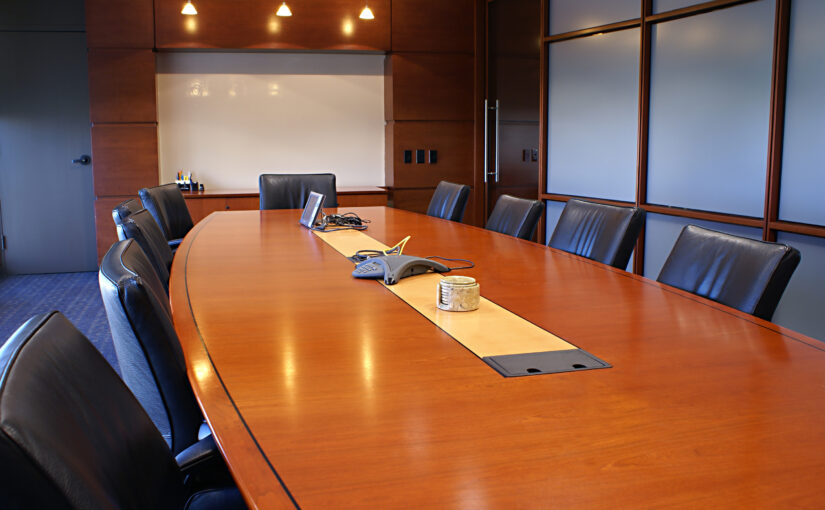
The Meeting Room Is Changing: Why Businesses Need More Than a Table and Chairs

Date: Thu Oct 15 Author: Marketing Team

Modern meeting rooms are becoming more important as businesses rethink how they use professional workspace. A meeting room is no longer simply a table surrounded by chairs. Today, businesses expect reliable technology, privacy, comfort and an environment that supports productive conversations.

From client presentations to hybrid meetings, the purpose of professional space continues to evolve. Businesses also want more choice over location, room size and booking duration.

For organisations searching for a meeting room in London, the right facilities can make a meaningful difference. A suitable environment can support better communication, stronger relationships and more effective decisions.

Why Modern Meeting Rooms Are Changing

Traditional offices often included meeting rooms that remained empty for much of the working week. Businesses maintained these facilities whether employees needed them or not.

Flexible working has encouraged organisations to reconsider that arrangement. Teams may work remotely for several days before gathering for presentations, workshops or important discussions.

Research from the Office for National Statistics found that 28% of working adults in Great Britain hybrid worked during early 2025.

This shift creates a different requirement. Businesses still need professional meeting facilities, but they may not need permanent access every day.

Modern meeting rooms therefore need to offer more than physical space. They must support the way people communicate and collaborate today.

Technology Is Now Part of the Meeting Experience

Technology has become a central consideration when choosing a meeting room. A comfortable table and chairs remain useful, but they cannot support every modern business activity.

Client presentations may require large screens. Hybrid meetings may need cameras, microphones and suitable audio equipment. Workshops may benefit from whiteboards and presentation facilities.

Reliable internet access also matters. Technical interruptions can waste valuable meeting time and distract participants from the discussion.

The importance of these facilities continues to grow. A 2026 ITPro report on meeting room technology highlights the challenges businesses face with complicated video-conferencing equipment.

Before booking, businesses should check the facilities available at each venue. The right technology depends on the purpose of the meeting.

A Meeting Room in London Needs the Right Location

Location can influence whether a business meeting runs smoothly. This is particularly important in London, where participants may travel from different parts of the city.

A conveniently located room can reduce unnecessary journeys and make attendance easier. Access to public transport, nearby facilities and clear directions can all improve the experience.

A consultant meeting a client may prefer a location close to the customer’s office. A project team may choose somewhere convenient for employees travelling from different areas.

Through BluDesks meeting rooms, businesses can explore professional venues according to their location and requirements.

This gives organisations more flexibility than relying on one permanent meeting location.

Privacy and Comfort Support Better Business Conversations

Some business discussions require greater privacy than a shared office or public venue can provide.

Recruitment interviews, customer consultations and contract negotiations often involve sensitive information. A dedicated meeting room can offer a more appropriate environment.

Comfort also matters. Suitable lighting, ventilation, seating and room layout can help participants concentrate throughout the meeting.

Businesses should consider sound insulation and visual privacy when discussing confidential matters. A professional room should support both communication and discretion.

The Information Commissioner’s Office also advises organisations to consider privacy and data protection when recording online meetings.

A suitable physical environment forms one part of responsible business communication.

Co-working Spaces Are Changing How Teams Meet

The growth of the co-working space market has created new opportunities for businesses that need occasional professional facilities.

A co-working office can provide a productive setting for everyday tasks. Dedicated meeting rooms within flexible workspace environments can support more private conversations.

According to CoworkingCafe’s Q2 2026 industry report, the UK had approximately 4,415 flexible workspace locations. Greater London accounted for 1,275 of them.

This expanding market gives businesses different ways to access workspace without maintaining a traditional office.

Through BluDesks co-working spaces, professionals can explore flexible environments that suit their working requirements.

Hot Desks and Day Passes Add More Flexibility

A meeting may last only one hour, but the working day often continues afterwards. Professionals may need somewhere to prepare documents, answer emails or complete other tasks.

This is where a hot desk can provide additional value.

People searching for a hot desk near me often want convenient workspace without a long-term commitment. Others may search for rent a desk London when visiting the capital for business.

A day pass can offer another practical option where venues provide one. It may allow professionals to access suitable facilities for a working day.

BluDesks offers access to hot desks and hot desking options for people who need flexible professional workspace.

Businesses should compare access conditions and available facilities before booking.

Meeting Rooms Should Match the Purpose of the Meeting

Not every meeting needs the same environment. A two-person interview has different requirements from a ten-person workshop.

Client presentations may need display screens and a formal layout. Brainstorming sessions may benefit from flexible seating and whiteboards.

The most useful meeting room is not necessarily the largest or most expensive. It is the room that supports the activity.

Our previous article, “Small Meeting Rooms, Big Business Decisions: Why the Right Space Matters”, explored how smaller professional spaces support interviews, negotiations and focused discussions.

That principle also applies to larger meeting facilities. Businesses should consider attendee numbers, meeting duration, technology and location before making a booking.

Professional Meeting Space Still Matters

Modern technology allows people to communicate from almost anywhere. However, that does not mean every location provides the same experience.

A coffee shop may suit an informal conversation. A professional meeting room can provide greater privacy, suitable equipment and a more focused setting.

Our recent blog, “From Coffee Shops to Meeting Rooms: Why Professional Space Still Matters”, discussed why businesses should consider the environment before arranging important conversations.

Another article, “Why Face-to-Face Meetings Matter More in an AI-Driven Workplace“, explored the value of human interaction as digital technology develops.

The modern meeting room brings these ideas together. It combines professional facilities with the flexibility businesses increasingly expect.

Flexible Workspace Supports Businesses Without Permanent Offices

Many businesses no longer need permanent office facilities for every activity. Consultants, startups and remote teams can organise work across different locations.

However, they still need access to professional environments when meeting customers or working together.

Flexible workspace and shared workspace options allow organisations to choose facilities according to their needs.

Our earlier article, “Why More Businesses are Choosing Workspace on Demand“, examined why access to professional space can be more useful than permanent commitments.

Meeting rooms on demand fit naturally into this approach.

A Flexible Business Still Needs a Professional Address

Businesses may work from multiple locations, but customers and suppliers still need reliable contact details.

BluDesks’ sister company, LowCost LetterBox, supports businesses that operate without a permanent office.

Its Virtual Office London service can help businesses maintain a professional address. Digital Mailroom Management Services can support correspondence management across different working locations.

Together with flexible meeting facilities, these services can support a professional business presence without relying on one traditional office.

The Future of Meeting Rooms Is About More Than Furniture

Modern meeting rooms must respond to changing business expectations. Organisations increasingly value connectivity, convenience, privacy and flexible booking options.

A meeting room should support the purpose of the discussion rather than simply provide somewhere to sit.

Through BluDesks, businesses can explore meeting rooms, co-working spaces, hot desks and flexible working environments.

Modern meeting rooms are no longer defined by tables and chairs alone. The right combination of space, technology and accessibility can help businesses make every meeting more effective.