
Autumn Budget 2026: Why Flexible Workspaces Could Help UK Businesses Plan Ahead

Date: Thu Oct 29 Author: Marketing Team

Autumn Budget 2026 has placed business costs and economic planning back in the spotlight. Following the Chancellor’s statement on 28 October, UK businesses have an opportunity to review their operating expenses and consider how effectively they use professional workspace.

The Budget addressed economic pressures affecting households and businesses, including energy costs. However, the impact of individual measures will depend on each organisation’s circumstances. Businesses should review the official announcements before making financial decisions.

One practical question remains relevant regardless of tax policy: are businesses paying for more office space than they actually need? From coworking spaces to meeting rooms on demand, flexible workspace options offer different ways to manage professional working requirements.

Autumn Budget 2026: What Has Been Announced?

The Chancellor presented the Autumn Budget to Parliament on Wednesday, 28 October 2026. HM Treasury published the official Budget documents, while the Office for Budget Responsibility released updated economic and fiscal forecasts.

The Government outlined measures addressing economic pressures and supporting investment. The Budget also discussed energy costs and longer-term economic development.

Businesses can review the official Autumn Budget 2026 document for confirmed announcements and implementation details.

The Office for Budget Responsibility’s October 2026 forecast provides further information about the economic outlook.

Not every announcement takes effect immediately. Businesses should check relevant dates, eligibility conditions and official guidance before changing their plans.

Why Business Costs Deserve Attention After the Budget

The Budget provides an opportunity for businesses to review their financial position. However, effective cost management involves more than understanding government announcements.

Businesses also need to examine their existing commitments. Office rent, utilities, internet connections, maintenance and meeting facilities can represent significant ongoing expenditure.

These expenses may continue even when employees work remotely or desks remain unoccupied.

For smaller organisations, reviewing workspace requirements can reveal opportunities to use resources more effectively.

A consultancy might need professional meeting facilities only twice a month. A startup may require individual desks on selected days. Another business might benefit from a permanent office because employees attend regularly.

The important consideration is whether workspace spending reflects actual business requirements.

Could Flexible Workspaces Help Businesses Control Office Costs?

Flexible workspaces allow businesses to access professional facilities without necessarily committing to traditional long-term office arrangements.

Options include coworking spaces, hot desks, shared offices and meeting rooms available for shorter booking periods.

For organisations with changing attendance patterns, this flexibility can help align workspace expenditure with actual demand.

However, flexible arrangements do not automatically guarantee savings. Businesses should compare booking charges, included facilities, travel requirements and expected usage.

A permanent office may remain economical for a team requiring daily access. Businesses needing occasional facilities may find flexible booking more suitable.

Through BluDesks flexible workspaces, organisations can explore professional environments that match their working requirements.

Meeting Rooms in London Without Permanent Office Commitments

Meeting rooms remain essential for client presentations, interviews, training sessions and important business discussions.

However, maintaining dedicated meeting facilities throughout the year may not suit every organisation.

Businesses searching for a meeting room in London can consider venues that provide professional facilities for specific appointments.

Booking meeting rooms on demand allows organisations to choose locations, capacities and facilities according to each meeting.

A small client consultation may require a private room for two people. A project workshop might need a larger space with presentation equipment.

Businesses can explore BluDesks meeting rooms and compare suitable options.

Our previous article, “The Meeting Room Is Changing: Why Businesses Need More Than a Table and Chairs”, explored how technology, comfort and privacy influence modern meeting requirements.

Hot Desks and Day Passes for Changing Work Requirements

Not every professional needs a dedicated desk five days a week. Freelancers, consultants and hybrid employees may require office facilities only occasionally.

A hot desk can provide a professional environment for completing work, attending online meetings and preparing presentations.

Someone searching for a hot desk near me may prioritise convenience and transport connections. Professionals looking to rent a desk in London may need workspace while visiting the capital.

Where available, a day pass can provide access to suitable facilities without a longer commitment.

Businesses can explore hot desks and hot desking through BluDesks.

Before booking, professionals should check access hours, facilities, availability and any additional charges.

Co-working Spaces and the Changing Purpose of Offices

Working patterns have changed how businesses use physical offices. Some employees divide their time between home, traditional workplaces and shared professional environments.

Research published by the Office for National Statistics found that 28% of working adults in Great Britain hybrid worked between January and March 2025.

This provides useful context for understanding why some businesses reconsider their office requirements.

A co-working space can provide a professional setting for individual work while offering opportunities for collaboration.

For businesses exploring a co-working office, BluDesks coworking spaces provide access to different working environments.

The goal is not necessarily to replace every traditional office. It is to choose workspace that supports how employees actually work.

Five Workspace Costs Businesses Should Review

Following the Autumn Budget 2026, businesses can examine several practical areas of workspace expenditure.

1. Permanent Office Rent

Review whether the space occupied reflects current staffing levels and attendance patterns. Consider future requirements before renewing agreements.

2. Underused Desks

Identify how frequently employees use assigned desks. Where attendance varies, flexible desk arrangements may deserve consideration.

3. Meeting Room Facilities

Calculate how often meeting rooms are used. Compare permanent facilities with the cost of booking professional meeting space when required.

4. Office Running Expenses

Review utilities, cleaning, maintenance, equipment and other operational costs. Include these expenses when comparing different workspace arrangements.

5. Workspace Location and Accessibility

Consider travel convenience for employees and customers. A suitable location may improve attendance and reduce unnecessary travel time.

Why Flexible Workspaces Support Better Business Planning

Businesses cannot control every external economic development. However, they can review their existing commitments and make informed operational decisions.

Flexible workspace arrangements may help organisations respond when staffing levels, meeting requirements or working patterns change.

A growing business might need additional desks during a project. A consultant may require a meeting room for an important customer appointment.

Our previous blog, “Why More Businesses are Choosing Workspace on Demand“, explored how flexible access can support changing requirements.

Another article, “Why the Office Is Becoming a Place to Connect, Not Just a Place to Work“, examined the growing importance of purposeful collaboration.

These considerations remain relevant when businesses evaluate their workspace expenditure after the Budget.

Maintaining a Professional Business Presence Without a Permanent Office

Businesses using flexible workspaces still need reliable contact details and professional correspondence arrangements.

Customers, suppliers and official organisations may need to contact a business even when its employees work across different locations.

BluDesks’ sister company, LowCost LetterBox, supports businesses operating without conventional permanent office facilities.

Its Virtual Office London service can help eligible businesses maintain a professional address.

Meanwhile, Digital Mailroom Management Services can support correspondence handling when teams work remotely.

Combined with meeting rooms and coworking facilities, these services can support businesses seeking a more flexible operating model.

Autumn Budget 2026: What Should Businesses Focus on Next?

The Autumn Budget provides new information for businesses to consider when reviewing their financial plans.

Organisations should examine the official measures relevant to their circumstances, confirm implementation dates and seek professional advice where appropriate.

Alongside these steps, reviewing workspace expenditure can provide a clearer understanding of existing operational commitments.

Businesses should consider how frequently employees need desks, how often customers require meeting facilities and whether current arrangements remain suitable.

The objective should be informed decision-making rather than assuming that every organisation needs to reduce office space.

Final Thoughts: Choosing the Right Workspace After the Budget

The Autumn Budget 2026 has brought renewed attention to economic conditions and business planning. However, practical decisions about workspace remain important regardless of government policy.

Permanent offices continue to serve many organisations effectively. For others, coworking spaces, hot desks and meeting rooms on demand may offer a more suitable approach.

Through BluDesks, businesses can explore meeting rooms, co-working spaces, hot desks and flexible workspaces according to their requirements.

The right workspace strategy begins with understanding how a business operates, what facilities it needs and where its resources deliver the greatest value.

Explore BluDesks.com to discover professional workspace options for your next working day, client meeting or team collaboration.

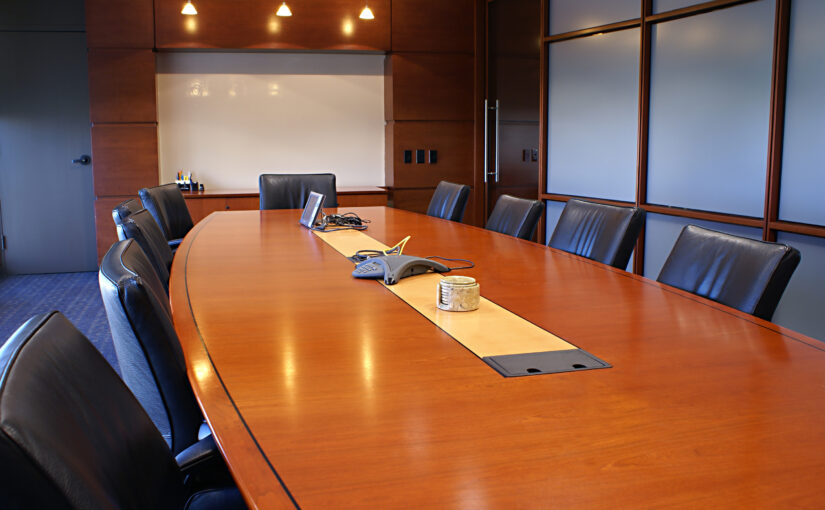
Before the Autumn Budget 2026: Could Flexible Workspaces Help Businesses Control Costs?

Date: Thu Oct 22 Author: Marketing Team

Flexible workspaces could become an important consideration for UK businesses reviewing their operating costs before the Autumn Budget 2026. With the Budget scheduled for 28 October, many organisations have an opportunity to examine their spending, workspace requirements and future business plans.

While the Government has not yet announced the Budget measures, businesses do not need to wait before reviewing their existing commitments. Office rent, meeting facilities and unused desks can all influence monthly expenditure.

Could coworking spaces, hot desks and meeting rooms on demand offer a more practical approach? The answer depends on how frequently a business needs professional workspace and what facilities its employees require.

Autumn Budget 2026: What Has Been Confirmed?

The UK Government has confirmed that the Autumn Budget will take place on Wednesday, 28 October 2026.

According to HM Treasury’s official announcement, the Chancellor will present the Budget on that date.

The Office for Budget Responsibility will also publish updated economic and fiscal forecasts after the Budget statement.

At the time of writing, the forthcoming measures have not been formally announced. Businesses should therefore avoid making financial decisions based on rumours or predictions.

However, reviewing existing operating costs remains a sensible exercise regardless of the eventual announcements.

Why Businesses Should Review Office Costs Before Budget Day

Office expenditure involves more than monthly rent. Businesses may also pay for utilities, cleaning, furniture, internet connections, maintenance and meeting facilities.

These costs can continue even when employees work remotely or certain areas remain unused.

Before committing to another year of office expenditure, businesses can review how often employees actually use their workspace.

For example, a small consultancy may need professional facilities only when meeting clients. A growing startup might require individual desks during the week and a meeting room twice a month.

Understanding these patterns can help organisations identify whether their existing arrangements remain suitable.

Could Flexible Workspaces Offer Better Cost Control?

Flexible workspaces allow businesses to access professional environments according to their requirements. Options may include coworking areas, hot desks, shared offices and bookable meeting rooms.

Instead of maintaining the same amount of office space throughout the year, organisations can consider facilities that match their actual working patterns.

This approach may reduce unnecessary commitments for businesses with occasional workspace needs. However, it does not automatically guarantee lower costs.

A company using workspace every day may find a permanent arrangement more economical. Another business requiring only occasional access may benefit from flexible booking.

Through BluDesks flexible workspaces, organisations can explore professional environments that suit different working requirements.

Meeting Rooms on Demand Instead of Permanent Facilities

Meeting rooms are essential for client presentations, interviews, training sessions and confidential discussions. However, businesses may not require dedicated meeting facilities every day.

A permanent boardroom can represent an ongoing commitment, even when it remains empty between appointments.

Booking meeting rooms when required offers an alternative. Businesses can select facilities based on attendance, location, duration and available equipment.

Someone searching for a meeting room in London may need a professional location for just a few hours rather than an entire working week.

BluDesks provides access to meeting rooms for different business requirements.

Our previous article, “The Meeting Room Is Changing: Why Businesses Need More Than a Table and Chairs”, explored why technology, privacy and convenience matter when choosing meeting facilities.

Hot Desks and Day Passes for Occasional Office Use

Not every professional needs a permanent desk. Freelancers, consultants and hybrid employees may only require workspace on selected days.

A hot desk can provide a practical environment for completing tasks, attending online meetings and working away from home.

Professionals searching for a hot desk near me often want convenience and flexibility. Others may search for rent a desk London when visiting the capital for business.

Where available, a day pass can provide access to workspace without requiring a longer commitment.

Businesses can explore BluDesks hot desks and compare suitable facilities before booking.

Co-working Spaces and Changing Working Patterns

Hybrid working has changed how many businesses use office space. Employees may divide their time between home, shared workplaces and traditional offices.

According to the Office for National Statistics, 28% of working adults in Great Britain hybrid worked between January and March 2025.

This illustrates why some organisations may need a different balance between permanent and occasional workspace.

A co-working space can support individual productivity while providing access to a professional working environment.

For businesses seeking a co-working office, BluDesks coworking spaces offer another way to explore flexible working arrangements.

London Workspace Costs: Why Location Matters

Workspace prices can vary considerably across London. Location, facilities, capacity and contract terms all influence the overall cost.

A Hubble report published in August 2026 recorded average Central London flexible office asking prices of £539 per desk per month during the second quarter of 2026.

The report also identified differences between London districts. These figures represent market averages rather than BluDesks prices or guaranteed booking rates.

Businesses should compare total costs alongside location, transport accessibility and included facilities.

A conveniently located meeting room may sometimes offer greater practical value than a cheaper venue requiring difficult journeys.

Five Workspace Questions to Consider Before the Budget

Businesses reviewing their workspace expenditure can begin with five practical questions:

  • How many desks are regularly occupied during the working week?
  • How frequently do employees need private meeting rooms?
  • Could coworking facilities support occasional office attendance?
  • Are existing office commitments suitable for future staffing requirements?
  • Would booking workspace on demand provide better flexibility?

The answers can help businesses assess their requirements before making new commitments.

Our earlier article, “Why More Businesses are Choosing Workspace on Demand“, explored how flexible access can support changing business needs.

Maintaining a Professional Business Presence

Reducing dependence on permanent office space does not mean businesses should compromise their professional presence.

Customers, suppliers and official organisations still need reliable contact details and correspondence arrangements.

BluDesks’ sister company, LowCost LetterBox, provides services for businesses operating across different locations.

Its Virtual Office London service can support a professional business address, while Digital Mailroom Management Services help businesses manage correspondence remotely.

These services can complement flexible workspace arrangements without requiring a conventional permanent office.

Preparing for the Autumn Budget Without Predicting the Outcome

The Autumn Budget may influence future business planning, but its measures should only be assessed once officially announced.

In the meantime, businesses can review existing commitments, compare workspace options and identify areas where greater flexibility may be useful.

Our article, “Why the Office Is Becoming a Place to Connect, Not Just a Place to Work“, examined how businesses increasingly use physical space for purposeful collaboration.

That approach remains relevant when evaluating workspace costs. The goal is not necessarily to eliminate office space, but to choose facilities that match actual business needs.

Flexible Workspaces: A Practical Business Planning Option

With the Autumn Budget 2026 approaching, businesses have a timely opportunity to examine how effectively they use professional workspace.

Permanent offices remain appropriate for many organisations. However, coworking spaces, hot desks and meeting rooms on demand can offer alternatives for businesses with changing requirements.

Through BluDesks, businesses can explore meeting rooms, co-working spaces and flexible workspaces according to their operational needs.

Whatever the Budget announces, understanding workspace costs and choosing suitable facilities can help businesses make more informed decisions for the year ahead.

The Meeting Room Is Changing: Why Businesses Need More Than a Table and Chairs

Date: Thu Oct 15 Author: Marketing Team

Modern meeting rooms are becoming more important as businesses rethink how they use professional workspace. A meeting room is no longer simply a table surrounded by chairs. Today, businesses expect reliable technology, privacy, comfort and an environment that supports productive conversations.

From client presentations to hybrid meetings, the purpose of professional space continues to evolve. Businesses also want more choice over location, room size and booking duration.

For organisations searching for a meeting room in London, the right facilities can make a meaningful difference. A suitable environment can support better communication, stronger relationships and more effective decisions.

Why Modern Meeting Rooms Are Changing

Traditional offices often included meeting rooms that remained empty for much of the working week. Businesses maintained these facilities whether employees needed them or not.

Flexible working has encouraged organisations to reconsider that arrangement. Teams may work remotely for several days before gathering for presentations, workshops or important discussions.

Research from the Office for National Statistics found that 28% of working adults in Great Britain hybrid worked during early 2025.

This shift creates a different requirement. Businesses still need professional meeting facilities, but they may not need permanent access every day.

Modern meeting rooms therefore need to offer more than physical space. They must support the way people communicate and collaborate today.

Technology Is Now Part of the Meeting Experience

Technology has become a central consideration when choosing a meeting room. A comfortable table and chairs remain useful, but they cannot support every modern business activity.

Client presentations may require large screens. Hybrid meetings may need cameras, microphones and suitable audio equipment. Workshops may benefit from whiteboards and presentation facilities.

Reliable internet access also matters. Technical interruptions can waste valuable meeting time and distract participants from the discussion.

The importance of these facilities continues to grow. A 2026 ITPro report on meeting room technology highlights the challenges businesses face with complicated video-conferencing equipment.

Before booking, businesses should check the facilities available at each venue. The right technology depends on the purpose of the meeting.

A Meeting Room in London Needs the Right Location

Location can influence whether a business meeting runs smoothly. This is particularly important in London, where participants may travel from different parts of the city.

A conveniently located room can reduce unnecessary journeys and make attendance easier. Access to public transport, nearby facilities and clear directions can all improve the experience.

A consultant meeting a client may prefer a location close to the customer’s office. A project team may choose somewhere convenient for employees travelling from different areas.

Through BluDesks meeting rooms, businesses can explore professional venues according to their location and requirements.

This gives organisations more flexibility than relying on one permanent meeting location.

Privacy and Comfort Support Better Business Conversations

Some business discussions require greater privacy than a shared office or public venue can provide.

Recruitment interviews, customer consultations and contract negotiations often involve sensitive information. A dedicated meeting room can offer a more appropriate environment.

Comfort also matters. Suitable lighting, ventilation, seating and room layout can help participants concentrate throughout the meeting.

Businesses should consider sound insulation and visual privacy when discussing confidential matters. A professional room should support both communication and discretion.

The Information Commissioner’s Office also advises organisations to consider privacy and data protection when recording online meetings.

A suitable physical environment forms one part of responsible business communication.

Co-working Spaces Are Changing How Teams Meet

The growth of the co-working space market has created new opportunities for businesses that need occasional professional facilities.

A co-working office can provide a productive setting for everyday tasks. Dedicated meeting rooms within flexible workspace environments can support more private conversations.

According to CoworkingCafe’s Q2 2026 industry report, the UK had approximately 4,415 flexible workspace locations. Greater London accounted for 1,275 of them.

This expanding market gives businesses different ways to access workspace without maintaining a traditional office.

Through BluDesks co-working spaces, professionals can explore flexible environments that suit their working requirements.

Hot Desks and Day Passes Add More Flexibility

A meeting may last only one hour, but the working day often continues afterwards. Professionals may need somewhere to prepare documents, answer emails or complete other tasks.

This is where a hot desk can provide additional value.

People searching for a hot desk near me often want convenient workspace without a long-term commitment. Others may search for rent a desk London when visiting the capital for business.

A day pass can offer another practical option where venues provide one. It may allow professionals to access suitable facilities for a working day.

BluDesks offers access to hot desks and hot desking options for people who need flexible professional workspace.

Businesses should compare access conditions and available facilities before booking.

Meeting Rooms Should Match the Purpose of the Meeting

Not every meeting needs the same environment. A two-person interview has different requirements from a ten-person workshop.

Client presentations may need display screens and a formal layout. Brainstorming sessions may benefit from flexible seating and whiteboards.

The most useful meeting room is not necessarily the largest or most expensive. It is the room that supports the activity.

Our previous article, “Small Meeting Rooms, Big Business Decisions: Why the Right Space Matters”, explored how smaller professional spaces support interviews, negotiations and focused discussions.

That principle also applies to larger meeting facilities. Businesses should consider attendee numbers, meeting duration, technology and location before making a booking.

Professional Meeting Space Still Matters

Modern technology allows people to communicate from almost anywhere. However, that does not mean every location provides the same experience.

A coffee shop may suit an informal conversation. A professional meeting room can provide greater privacy, suitable equipment and a more focused setting.

Our recent blog, “From Coffee Shops to Meeting Rooms: Why Professional Space Still Matters”, discussed why businesses should consider the environment before arranging important conversations.

Another article, “Why Face-to-Face Meetings Matter More in an AI-Driven Workplace“, explored the value of human interaction as digital technology develops.

The modern meeting room brings these ideas together. It combines professional facilities with the flexibility businesses increasingly expect.

Flexible Workspace Supports Businesses Without Permanent Offices

Many businesses no longer need permanent office facilities for every activity. Consultants, startups and remote teams can organise work across different locations.

However, they still need access to professional environments when meeting customers or working together.

Flexible workspace and shared workspace options allow organisations to choose facilities according to their needs.

Our earlier article, “Why More Businesses are Choosing Workspace on Demand“, examined why access to professional space can be more useful than permanent commitments.

Meeting rooms on demand fit naturally into this approach.

A Flexible Business Still Needs a Professional Address

Businesses may work from multiple locations, but customers and suppliers still need reliable contact details.

BluDesks’ sister company, LowCost LetterBox, supports businesses that operate without a permanent office.

Its Virtual Office London service can help businesses maintain a professional address. Digital Mailroom Management Services can support correspondence management across different working locations.

Together with flexible meeting facilities, these services can support a professional business presence without relying on one traditional office.

The Future of Meeting Rooms Is About More Than Furniture

Modern meeting rooms must respond to changing business expectations. Organisations increasingly value connectivity, convenience, privacy and flexible booking options.

A meeting room should support the purpose of the discussion rather than simply provide somewhere to sit.

Through BluDesks, businesses can explore meeting rooms, co-working spaces, hot desks and flexible working environments.

Modern meeting rooms are no longer defined by tables and chairs alone. The right combination of space, technology and accessibility can help businesses make every meeting more effective.

Business Expansion Starts with the Right Infrastructure

Date: Thu Jul 23 Author: Marketing Team

Business expansion can create exciting opportunities, but growth also puts pressure on people, workspace, systems and costs. A company may win new customers, recruit more employees, enter another city or launch a new service. However, growth becomes difficult when the business still relies on arrangements designed for a much smaller operation.

Many organisations respond by taking on larger permanent commitments. They lease a bigger office, purchase more furniture and increase their facilities before they fully understand their future requirements. This can create unnecessary overheads and reduce the freedom to adapt.

A stronger approach is to build infrastructure that can grow with the business. Flexible workspaces, professional meeting rooms, reliable business addresses and digital mail management can support expansion without forcing every decision to become permanent.

What Does Business Infrastructure Include?

Business infrastructure includes the practical resources and systems that allow a company to operate effectively. It is not limited to technology or office space. It also covers workplace access, communication, administration, customer contact, document management and the processes that connect them.

A small business may operate successfully from one location with a compact team. As demand increases, the same setup can become restrictive. Employees may struggle to find suitable meeting space. Customers may expect a more professional environment. Important correspondence may also become harder to manage when people work from different locations.

The right infrastructure removes these barriers. It gives the business enough structure to remain professional while providing the flexibility required to respond to change.

Growth Does Not Always Require a Bigger Office

A larger office can appear to be the natural next step for a growing company. Yet business growth does not always require more permanent space.

Teams rarely use every desk and meeting room every day. Employees may work remotely, travel to customer locations, attend events or follow hybrid schedules. A company that expands its office too quickly may pay for capacity that remains unused.

Long leases can also limit future choices. Customer demand may change, recruitment may slow or the business may decide to expand in another location. A large fixed office can then become a financial burden instead of a growth asset.

Flexible workspace provides a practical alternative. Through BluDesks, businesses can access professional workspace when required. This allows them to increase capacity without immediately increasing fixed property commitments.

Choose the Right Workspace for Each Task

Different business activities require different environments. A confidential customer discussion needs privacy. A team workshop needs room for collaboration. A remote employee may only need a quiet desk, reliable internet and a professional setting.

Meeting rooms can support presentations, interviews, training, planning sessions and important customer conversations. Coworking spaces provide a productive base for individuals and teams.

Hot desks give travelling professionals and hybrid employees somewhere suitable to work for a day. Meanwhile, flexible workspaces and shared workspaces can accommodate changing team sizes without requiring a traditional lease.

This task-based approach gives businesses more control. Instead of paying for one permanent space to handle every situation, they can select the most suitable environment for each activity.

Professional Meetings Support Confident Expansion

Expansion often creates a greater need for meetings. Businesses may need to speak with investors, interview candidates, negotiate with suppliers, train employees or present proposals to potential customers.

The environment can influence how those conversations feel. A noisy café or unsuitable home setting may distract participants and weaken the professional impression. A properly equipped meeting room gives the business privacy, structure and the facilities needed for a productive discussion.

Professional space can also help teams prepare more effectively. Employees can arrive early, review documents, test presentation equipment and welcome guests in an organised environment.

As we explored in “Why High-Performing Teams Perform Better Than Others”, strong performance depends on more than individual ability. Clear communication, trust, collaboration and an effective working environment all matter.

Support People as the Business Grows

Successful expansion depends on people. New employees need suitable places to work, clear processes and reliable access to colleagues and resources. Existing employees also need support as their responsibilities change.

A rigid office model can make recruitment more difficult when talented candidates live far from the main location. It may also create long journeys that reduce employee energy and productivity.

Access to coworking spaces and hot desks can give employees more choice while maintaining a professional working environment. Regional teams can meet without travelling to headquarters, while remote employees can use workspace closer to home.

This does not mean that every employee must work separately. Face-to-face collaboration remains valuable. Flexible infrastructure simply allows businesses to decide when physical attendance creates the greatest benefit.

Protect Cash Flow During Expansion

Growth requires investment. Businesses may need to spend money on recruitment, marketing, technology, stock, product development or customer support. Capital committed to unnecessary office capacity cannot support these other priorities.

A flexible workplace model can turn part of the property budget from a fixed commitment into a cost linked more closely to actual use. Businesses can book meeting rooms for important appointments, use coworking space during busy periods and add workspace as teams grow.

Our previous article, “How to Beat London’s Sky-High Office Rents in 2026”, examined why companies are reconsidering expensive traditional office commitments. Flexible access can help businesses remain professional while protecting capital for the activities that directly support growth.

Government guidance on growing a business encourages companies to test new products and services before making unnecessary investments. Businesses can apply a similar principle to workplace expansion by testing a new location before committing to long-term premises.

Enter New Locations with Less Risk

Entering a new town, city or country can create valuable opportunities. However, opening a permanent office before demand is proven can expose a company to avoidable risk.

Flexible workspace allows businesses to establish a presence gradually. A sales team can meet local customers in a professional room. Employees can use coworking space while the company evaluates recruitment needs. Managers can also hold regional meetings without immediately leasing a dedicated site.

This creates a useful testing period. Leaders can study customer demand, travel patterns, team requirements and local operating costs before making a larger commitment.

BluDesks provides access to meeting rooms and professional workspace across a wide range of locations. This allows a growing company to follow opportunity rather than restricting expansion to places where it already owns or leases space.

Build Resilience into the Expansion Plan

Growth can make a business stronger, but it can also create new points of dependence. A larger team may rely heavily on one office, one transport route or one administrative system.

Flexible infrastructure gives businesses alternatives. When travel disruption affects the usual workplace, employees may be able to work from another location. When a meeting cannot take place at headquarters, the company can move it to a professional space elsewhere.

Our articles “Business Continuity: Keep Your Business Running During UK Heatwaves” and “Train Delays, Tube Disruption and Business Productivity” explain how weather and transport problems can interrupt normal working patterns.

Resilience does not require a separate permanent office in every area. It requires practical alternatives that a business can activate when circumstances change.

Maintain a Stable Business Presence

A flexible workplace strategy still needs a stable business identity. Customers, suppliers, government bodies and professional partners must know how to contact the company. Important correspondence must also reach the right person when the team works across several locations.

BluDesks’ sister company, LowCost LetterBox, can help provide this administrative foundation. A Virtual Office London service can give a business a professional point of contact without requiring a full-time office.

A Registered Office Address can help eligible companies maintain an official address while protecting personal privacy. Meanwhile, Digital Mailroom Management Services can help teams manage correspondence when employees work remotely or from several locations.

These services allow the business to maintain a consistent professional base while keeping its operational footprint flexible.

Create Infrastructure That Follows the Business

Business infrastructure works best when its different parts support one another. Workspace access alone will not solve administrative problems. A professional address alone will not provide a suitable environment for a customer presentation.

By combining flexible workspace with reliable address and mail services, a growing company can build a more complete operating model. Employees can work and meet in suitable locations while important correspondence continues to flow through a consistent system.

This approach can be especially valuable for consultants, startups, project teams, regional sales operations and companies entering new markets. They can present a professional image without creating a large permanent property burden.

BluDesks gives businesses access to meeting rooms, coworking spaces, hot desks, flexible workspaces and shared workspaces according to demand. Its sister company, LowCost LetterBox, complements this model with Virtual Office London, Registered Office Address and Digital Mailroom Management Services, providing businesses with a complete infrastructure for sustainable growth.

Business expansion starts with the right infrastructure because growth needs more than ambition. It needs practical systems that can scale without becoming obstacles. When workspace and administration remain flexible, a business can invest more confidently, respond more quickly and build a stronger foundation for its next stage.

Train Delays, Tube Disruption and Business Productivity: A Smarter Way to Work

Date: Thu Jul 2 Author: Marketing Team

Train Delays, Tube Disruption and Business Productivity: A Smarter Way to Work

Business productivity can suffer quickly when train delays, Tube disruption, extreme weather, and planned engineering works affect daily travel. Across the UK, businesses depend on employees, clients, suppliers, and partners being able to move smoothly. However, recent disruption has shown that relying on one office, one commute, or one fixed way of working can create unnecessary risk.

For many organisations, travel disruption is no longer a rare inconvenience. It can affect meetings, interviews, project deadlines, training sessions, customer service, and staff wellbeing. When employees arrive late, meetings move at short notice, or clients cannot reach a central office, the working day becomes harder to manage.

The smarter approach is not to wait for disruption and then react. Businesses need flexible systems that allow work to continue wherever teams and clients can meet most easily. This is where BluDesks and LowCost LetterBox can support a more resilient way to work.

Why Travel Disruption Has Become a Business Issue

Train delays and Tube disruption affect more than the morning commute. They influence how businesses plan their day, how teams collaborate, and how customers experience service. When a journey takes longer than expected, one delay can create several business problems.

A late train may cause a missed client meeting. A cancelled Tube service may reduce attendance at a training session. A planned station closure may force staff to spend extra time travelling across London. Bad weather can also create sudden disruption, especially when heat, storms, or heavy rain affect railway infrastructure.

National Rail regularly advises passengers to check journeys before travelling because service changes, engineering works, and incidents can affect routes across the country. Businesses and commuters can view live updates through National Rail status and disruptions.

Transport for London also provides live updates for the Tube, DLR, London Overground, Elizabeth line, trams, buses, and other services. Businesses that depend on London travel can monitor changes through TfL status updates.

These services help people plan journeys. However, planning alone does not solve the wider business problem. Companies also need practical alternatives when travel becomes unreliable.

The Hidden Cost of Delays and Disrupted Commutes

The cost of transport disruption is not always visible on a balance sheet. Yet it can still affect performance. Lost time, rushed meetings, missed calls, low morale, and cancelled appointments all reduce business productivity.

For small businesses, the impact can feel even greater. One delayed employee may mean a missed sales call. One cancelled meeting may slow a project. One unavailable director may delay a decision. Over time, these small interruptions can damage customer confidence and team efficiency.

There is also a wellbeing cost. Long, hot, crowded, or uncertain commutes can leave employees tired before the working day begins. During extreme weather, travel can become even more difficult.

Network Rail explains that hot weather can affect rails, overhead lines, and the ground beneath the track. More information is available through Network Rail’s hot weather and railway guidance.

When businesses expect everyone to work from one location, they increase their dependence on the transport network. A more flexible model gives teams better options.

Flexible Workspaces Help Businesses Keep Moving

Flexible workspace gives businesses a practical way to reduce the impact of travel disruption. Instead of asking every employee or client to travel to one fixed office, businesses can choose a workspace that suits the situation.

A company may need a meeting room close to a client. A project team may need temporary workspace near a transport hub. A remote employee may need a professional desk closer to home. In each case, the business keeps moving without relying on one central office.

BluDesks meeting rooms help businesses hold professional meetings when the usual office is not convenient. This can reduce cancellations, protect client relationships, and help teams make decisions on time.

For employees who need a productive environment outside the main office, coworking spaces and hot desks offer a smarter alternative to working from a crowded café or an unsuitable home setup.

Businesses can also use flexible workspaces and shared workspaces to support hybrid teams, travelling staff, consultants, freelancers, and project-based workers.

Why One Office Is No Longer Enough

A fixed office can still play an important role. However, businesses that depend only on one location can struggle when disruption affects access to that site. A smarter setup gives organisations more than one way to operate.

For example, a sales team could meet a client in a professional room closer to the client’s location. A director could use a day office between meetings instead of losing time travelling back to headquarters. A hybrid worker could book a desk near home when the commute into London becomes difficult.

This approach does not remove the need for offices. Instead, it changes how businesses use them. Companies can move from fixed dependence to flexible access. That shift can improve business productivity, reduce wasted travel time, and help employees work in the right place at the right moment.

It also supports cost control. Businesses do not always need to commit to larger permanent offices just to cover occasional meetings, overflow workspace, or temporary project needs. Flexible access allows them to scale workspace around demand.

Business Mail Does Not Stop When Trains Do

Workspace flexibility is only one part of the solution. Business communication also needs to continue during disruption. Even when employees work remotely or use different locations, important mail, documents, and official correspondence still need secure handling.

This is where LowCost LetterBox supports business continuity. Its services help organisations maintain a professional presence and manage important correspondence without depending on staff being present at one permanent office every day.

A Virtual Office London service helps businesses maintain a professional address without the cost or dependence of a permanent office. This can support remote teams, startups, consultants, international businesses, and companies that operate across several locations.

A Registered Office Address can also support company compliance and privacy. Directors can protect their home address while maintaining a credible UK business presence.

For organisations that receive regular correspondence, Digital Mailroom Management Services help teams manage mail more efficiently. Digital access can reduce the need for employees to travel to one office simply to collect, open, or process correspondence.

This matters during transport disruption because staff may not always reach the usual workplace. With the right digital mail solution, important communication can still reach the people who need it.

Flexible Workspace and Digital Infrastructure Work Together

A modern business needs more than a backup desk. It needs a complete operating model that can adapt when normal routines change.

Flexible workspace solves the physical challenge. Teams can meet, focus, collaborate, and work professionally without depending on one fixed location. Digital business infrastructure solves another challenge by helping companies maintain their address, manage correspondence, and keep important information moving.

Together, these services can reduce the risks that come with office dependence. Employees gain more choice about where they work. Clients can meet businesses in professional locations. Important correspondence can continue to move even when the usual office is difficult to reach.

This approach can also help growing businesses. Instead of adding permanent property costs every time the team expands, organisations can use flexible space when they need it. At the same time, a professional business address and digital mail support can help maintain a consistent business presence.

Building a Smarter Business Continuity Plan

A strong business continuity plan should cover more than major emergencies. It should also help a company manage everyday disruption. Train delays, Tube problems, extreme weather, staff absence, school closures, and planned engineering works can all affect normal operations.

Businesses can prepare by asking a few practical questions. Where can employees work if they cannot reach the office? Where can clients meet the team if the main location becomes inconvenient? How will important mail reach decision-makers? How will the company maintain a professional image when teams work across different locations?

BluDesks helps answer the workspace side of these questions. LowCost LetterBox supports the business address, mail, and digital communication side. Together, they create a more complete operating model for modern organisations.

This combination can be especially useful for SMEs, startups, consultants, agencies, remote teams, and growing companies. These organisations often need professionalism and flexibility without the cost of large permanent office commitments.

A More Productive Way to Work

Transport disruption will not disappear. Rail engineering works, Tube delays, bad weather, and unexpected incidents will continue to affect business travel. The companies that perform best will not simply hope for smoother journeys. They will design work around flexibility.

That means using professional meeting rooms when face-to-face conversations matter. It means giving employees access to hot desks and coworking spaces when home or the main office is not practical. It also means using virtual office and digital mailroom services so important communication keeps moving.

BluDesks supports businesses with professional workspace options across London, the UK, and beyond. LowCost LetterBox supports a flexible operating model through professional business address and mail management solutions.

Together, they help businesses stay professional, productive, and resilient when travel disruption gets in the way.

Train delays may slow journeys, but they do not have to slow business. With the right workspace and digital infrastructure, organisations can work smarter, respond faster, and protect business productivity in a changing world.