
Why the Office Is Becoming a Place to Connect, Not Just a Place to Work

Date: Thu Sep 3 Author: Stanley Samidas

The purpose of the office is changing as hybrid working, digital tools and artificial intelligence reshape how UK businesses operate. Employees no longer need to sit at the same desk every day to complete routine tasks, share documents or communicate with colleagues. However, that does not mean the office is becoming irrelevant. In many organisations, it is becoming more valuable as a place to connect, collaborate, meet customers and build stronger working relationships.

This shift changes how businesses should think about workspace. Instead of treating the office as the default location for every task, companies can use it more purposefully. Teams may work independently when they need focus, then come together for discussions, training, planning and customer meetings when being in the same place creates clear value.

Hybrid Working Has Changed the Role of the Office

Hybrid working has become an established part of working life in Great Britain. Research from the Office for National Statistics found that 28% of working adults hybrid worked during the first quarter of 2025.

That means many employees now divide their time between home and another workplace. As a result, businesses may no longer need every employee at a permanent desk every day. Yet they still need professional environments for activities that are difficult to reproduce through email or video calls.

The office therefore becomes less about attendance and more about purpose. It can support team culture, customer relationships, collaboration, training and important conversations. The value lies in what happens there, not simply in how many people occupy the building.

Connection Is Becoming a Core Workplace Function

Modern teams can exchange information quickly through digital tools. Documents can be shared instantly, messages can be sent from anywhere and AI can help employees prepare information before a meeting begins.

What technology cannot fully replace is the quality of human connection. Teams often build trust through conversation, shared experiences and informal interaction. New employees may understand company culture more easily when they spend time with colleagues in person. Managers may also pick up concerns or misunderstandings that are harder to notice through scheduled video calls.

This does not mean every employee needs to attend the office every day. It means businesses should create opportunities for people to meet when connection will improve the outcome.

Face-to-Face Time Matters More When It Has a Clear Purpose

Our recent article, “Why Face-to-Face Meetings Matter More in an AI-Driven Workplace”, explored why human interaction can become more valuable as technology handles more routine work.

The same principle applies to the office. If employees can complete administrative tasks from different locations, asking them to travel simply to work individually may create little benefit. However, bringing people together for strategic planning, problem-solving, training, customer meetings or team development can justify the journey.

Purposeful attendance can also improve employee attitudes towards the workplace. People are more likely to value office time when they understand why being together matters and when the environment supports what they need to achieve.

Professional Meeting Rooms Support Better Conversations

As the office becomes more focused on interaction, meeting environments become more important. A productive conversation needs more than a table and chairs. Privacy, reliable technology, comfortable surroundings and a professional atmosphere can influence how people communicate.

Through BluDesks, businesses can access meeting rooms for customer appointments, interviews, presentations, workshops and strategic discussions.

This allows a business to choose a professional location around the people involved rather than relying on one headquarters. A customer meeting may happen closer to the customer. A regional team can meet somewhere convenient for everyone. A project group can book suitable space only when collaboration requires it.

The Office Can Help Build Stronger Teams

High-performing teams need more than good technology. They need trust, communication and shared understanding. Those qualities develop over time through both formal and informal interaction.

Our earlier article, “Why High-Performing Teams Perform Better Than Others”, highlighted how working environments can support better team performance.

A flexible office can provide a place for teams to reconnect, plan, learn and review projects together.

The office therefore becomes part of team development rather than simply a location where people complete individual tasks.

Coworking and Shared Spaces Can Support Everyday Connection

Not every collaborative need requires a private boardroom. Sometimes employees simply benefit from working near other professionals or colleagues rather than spending every day alone.

Coworking spaces can offer a professional environment for employees who want structure, facilities and human interaction outside the main office. Shared workspaces can also support project teams, growing businesses and professionals who need adaptable space without a permanent commitment.

For individual work, hot desks provide another option. Employees can access a professional setting when working from home is distracting or when they need somewhere productive between meetings.

Workspace on Demand Makes Connection Easier

The changing purpose of the office also supports the rise of workspace on demand. If businesses no longer need the same amount of space every day, access becomes more useful than maintaining permanent capacity for every possible situation.

Our article, “Why More Businesses are Choosing Workspace on Demand”, examined how companies can book professional environments according to changing requirements.

That model fits an office centred on connection. A team can book collaborative space when it needs to meet. A business can arrange a customer venue near the customer. Employees can use desks or coworking facilities when individual circumstances require them.

Flexible Working Still Needs Clear Structure

A more flexible workplace does not mean removing expectations. Teams still need clear communication, agreed responsibilities and reliable customer coverage.

Current UK government guidance on flexible working explains that employees can request changes to their hours, days or place of work. Businesses must still consider how arrangements affect operations and service.

The strongest workplace strategies balance flexibility with purpose. Employees know when individual work can happen remotely and when being together is important. Managers focus on outcomes instead of using attendance alone as a measure of contribution.

A Flexible Team Still Needs a Professional Business Base

As employees move between home, meeting rooms, coworking spaces and other professional environments, the business still needs a consistent identity. Customers, suppliers and official bodies need a reliable address, and important correspondence must reach the right people.

BluDesks’ sister company, LowCost LetterBox, supports this part of a flexible operating model. A Virtual Office London service can help a business maintain a professional address without depending on a full-time office.

A Registered Office Address can support eligible companies with official address requirements and privacy. Meanwhile, Digital Mailroom Management Services can help teams manage correspondence while employees work from different locations.

This gives businesses a stable professional foundation even when the places employees work change from day to day.

The Best Office May Be the One People Use with Purpose

The office is not disappearing. Its role is becoming more focused.

Employees increasingly have digital tools that allow them to complete routine work from different locations. What remains valuable is a professional place where people can connect, collaborate, learn, meet customers and solve problems together.

BluDesks gives businesses access to meeting rooms, coworking spaces, hot desks, flexible workspaces and shared workspaces according to demand. LowCost LetterBox complements this model with professional address and mail management services.

The purpose of the office is moving from simply providing a desk towards creating meaningful human connection. Businesses that understand that shift can use workspace more effectively and give their teams better reasons to come together.

Why Face-to-Face Meetings Matter More in an AI-Driven Workplace

Date: Thu Aug 27 Author: Stanley Samidas

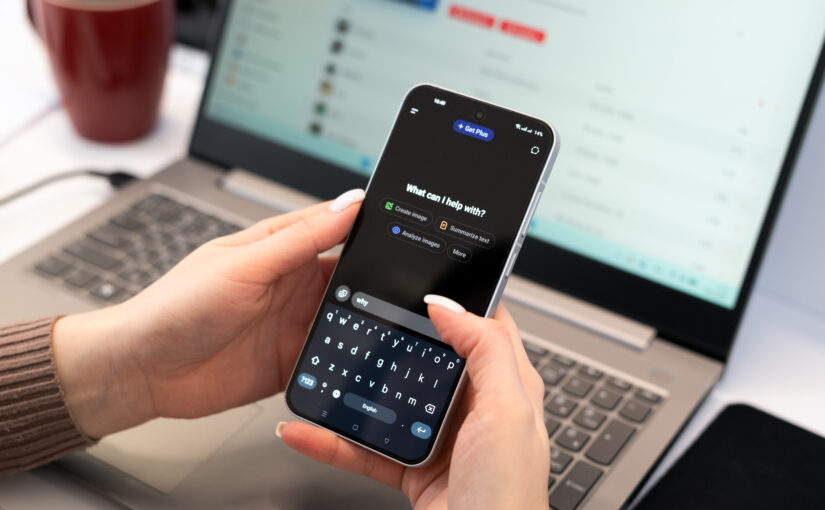
Face-to-face meetings are becoming more valuable, not less, as artificial intelligence changes how businesses work. AI can help teams research faster, summarise information, automate routine tasks and prepare documents in minutes. However, as technology takes over more transactional work, human interaction becomes more important for the conversations that require trust, judgement, creativity and genuine connection.

The workplace is therefore changing rather than disappearing. Employees may complete individual tasks with AI from almost anywhere, but important customer meetings, strategic discussions, negotiations and team sessions still benefit from people being in the same room.

For modern businesses, the challenge is not to choose between digital tools and physical workplaces. It is to understand when technology should handle the task and when people need a professional environment to connect properly.

AI Is Changing the Type of Work People Do

Artificial intelligence is already changing everyday business activity across the UK. Companies are using AI for text generation, data processing, visual content, research and administrative support.

Recent data from the Office for National Statistics shows that AI use among UK businesses with 10 or more employees increased significantly between late 2023 and mid-2026.

As AI becomes more common, employees can spend less time on repetitive work and more time on activities that depend on human judgement. That includes understanding customers, resolving difficult issues, developing ideas and making decisions.

This shift gives face-to-face interaction a clearer purpose. Instead of meeting simply to exchange information, teams can use in-person time for the work that benefits most from discussion and trust.

Trust Is Harder to Automate

AI can prepare information quickly, but it cannot fully replace the trust that develops between people. This matters in customer relationships, recruitment, leadership and negotiations.

A major customer may want to meet the people behind a proposal before making a commitment. An investor may want to understand how a management team responds under pressure. A new employee may need direct interaction with colleagues to understand the culture of the organisation.

These situations involve more than exchanging facts. Tone of voice, body language, confidence and the ability to respond naturally all contribute to the outcome.

Technology can support the conversation by helping people prepare better, but trust still grows through human interaction.

Important Customer Conversations Still Need the Right Setting

Not every customer meeting needs to happen in person. Many routine conversations can take place by phone, video call or email. However, high-value or complex discussions often benefit from a professional physical environment.

A private room can help when customers need to discuss confidential information, review documents or negotiate important terms. It also creates fewer distractions and gives participants more space to focus.

Through BluDesks, businesses can access professional meeting rooms for presentations, consultations, interviews and negotiations.

This allows companies to choose a location that suits the customer rather than forcing every important conversation to happen online or at one fixed office.

In-Person Time Should Be More Purposeful

One of the biggest changes in hybrid and AI-enabled work is that people no longer need to meet physically for every activity.

That makes in-person time more valuable. Microsoft research on hybrid work has highlighted the importance of being clear about when and why teams should come together. Its guidance on making in-person time count emphasises the need to define the role of face-to-face collaboration rather than treating office attendance as an automatic requirement.

Businesses can apply the same principle. Teams should meet when physical presence improves the outcome. That might include strategic planning, creative workshops, difficult conversations, training or customer relationship-building.

When employees understand why they are meeting, the time is more likely to feel productive and worthwhile.

Creativity Often Benefits from Human Interaction

AI can produce ideas very quickly, but businesses still need people to challenge, refine and select those ideas.

Creative work often develops through conversation. One person makes a suggestion, another questions it, and someone else connects it to a different problem. These moments can happen online, but face-to-face environments often make spontaneous discussion easier.

A collaborative workspace can therefore become more valuable as AI creates more possibilities. Teams may arrive with AI-generated options already prepared and use their meeting time to decide which direction makes sense.

Coworking spaces and shared workspaces can support this kind of collaborative activity without requiring businesses to maintain permanent team space for every project.

High-Performing Teams Still Need Strong Relationships

AI can improve individual productivity, but teams still depend on communication and trust. Employees need to understand how colleagues think, how decisions are made and who takes responsibility when something goes wrong.

Our previous article, “Why High-Performing Teams Perform Better Than Others”, explored how strong teams rely on collaboration, clear communication and suitable working environments.

Those qualities remain important in an AI-driven workplace. In fact, as employees use more automated tools, organisations may need to spend more time building shared understanding around how technology should support the team.

Face-to-face sessions can help employees agree on standards, discuss concerns and build stronger working relationships.

AI Can Make Meetings Better, Not Redundant

The strongest use of AI may be to improve meetings rather than replace them.

Before a meeting, AI can summarise background documents, organise customer information and suggest discussion points. During the preparation stage, teams can identify important questions more quickly. After the meeting, AI can help organise notes and actions.

This leaves people free to focus on the actual conversation.

Our recent article, “AI Can Save Time—but What Should Businesses Do with the Time They Get Back?”, explored how businesses can reinvest AI-generated time into higher-value work. Better meetings are one of the clearest examples of that opportunity.

The Workplace Is Becoming a Place to Connect

The purpose of the office is changing. Employees no longer need a permanent desk for every task, but they still need professional environments for important interactions.

This is why flexible workspaces and hot desks can support modern teams. Employees can work independently when appropriate and come together when collaboration creates value.

This idea also connects with “Why More Businesses are Choosing Workspace on Demand”. Businesses increasingly value access to professional space rather than maintaining every possible workspace permanently.

In an AI-enabled business, that model becomes even more relevant because digital work can happen almost anywhere while high-value human interaction can happen in the right professional setting.

Face-to-Face Training Still Has an Important Role

AI adoption also creates new training needs. Employees need to understand how to use tools responsibly, protect confidential information and check AI-generated outputs.

Training can happen online, but some topics benefit from discussion, practical examples and direct feedback. Teams may need to debate how AI should be used within customer service, marketing, operations or management.

A professional training environment can help employees focus on these discussions without the distractions of everyday work.

Face-to-face learning can also help managers understand where employees feel confident and where additional support is needed.

Digital Businesses Still Need a Professional Presence

AI may make more business activity digital, but organisations still need a stable professional identity. Customers, suppliers and official bodies need reliable contact details, and important correspondence must reach the right person.

BluDesks’ sister company, LowCost LetterBox, supports this side of flexible operations. A Virtual Office London service can help businesses maintain a professional address without depending on a full-time office.

A Registered Office Address can support eligible companies with official address requirements and privacy. Meanwhile, Digital Mailroom Management Services can help teams manage correspondence while employees work from different locations.

This creates a stable business foundation while teams use technology and flexible workspace more freely.

Human Connection Becomes More Valuable as AI Grows

Artificial intelligence will continue to change how businesses work. It will help employees complete routine tasks faster, prepare information more efficiently and automate parts of everyday operations.

However, the activities that matter most to customers and teams often depend on qualities that technology cannot fully reproduce: trust, empathy, judgement, confidence and human connection.

BluDesks gives businesses access to meeting rooms, coworking spaces, hot desks, flexible workspaces and shared workspaces according to demand. LowCost LetterBox complements this model with professional address and digital mail services.

Face-to-face meetings matter more in an AI-driven workplace because technology changes what people need to meet for. Businesses no longer have to bring people together for every task. Instead, they can reserve in-person time for the conversations where trust, creativity, collaboration and relationships create the greatest value.

AI Can Save Time—but What Should Businesses Do with the Time They Get Back?

Date: Thu Aug 20 Author: Stanley Samidas

AI productivity is becoming a major focus for UK businesses as artificial intelligence helps employees complete research, administration, content creation, data processing and routine tasks faster. But saving time is only useful if businesses know what to do with the hours they gain back.

For many organisations, the real opportunity is not simply to complete the same amount of work more quickly. AI can create room for employees to focus on higher-value activities such as customer relationships, strategic planning, collaboration, innovation and business development.

This changes the conversation around productivity. The goal should not be to fill every saved minute with more tasks. Instead, businesses can use that time more deliberately and create working environments that help people concentrate on activities where human judgement, communication and creativity matter most.

AI Adoption Is Growing Across UK Businesses

Artificial intelligence is becoming a normal part of business operations rather than an experimental technology. Companies are using AI to summarise information, draft documents, support customer administration, analyse data and automate repetitive processes.

Recent research from the Office for National Statistics found that AI use among UK businesses with 10 or more employees increased from around 12% in late 2023 to around 35% by June 2026.

The same research shows that improving existing business operations is the most common reason organisations use AI. That matters because it suggests many companies are adopting AI primarily to become faster and more efficient rather than to completely redesign their businesses.

The next question is therefore important: once routine work becomes faster, where should businesses invest the time they save?

Use More Time to Strengthen Customer Relationships

Customer relationships are one area where businesses can create far more value from the time AI saves.

AI may help prepare a proposal, summarise previous conversations or organise customer information. However, customers still value attention, responsiveness and personal communication. An employee who spends less time completing repetitive administration can spend more time understanding customer needs and solving problems.

This can mean more thoughtful follow-ups, better preparation for meetings and stronger relationships with key accounts. It can also help teams respond more quickly when customers need support.

Our previous article, “How Flexible Working Supports Better Customer Service”, explored how workplace flexibility can improve response times and customer interactions. AI can complement that approach by reducing routine work and giving employees more time to focus on the customer.

Spend More Time on Better Meetings, Not More Meetings

Saving time does not mean businesses should automatically add more meetings to the calendar. The better opportunity is to make important meetings more valuable.

AI can help teams prepare agendas, review background information and summarise documents before people meet. This allows face-to-face discussions to focus on decisions, ideas and actions rather than basic information sharing.

Through BluDesks, businesses can access professional meeting rooms when an important conversation needs privacy, focus and a suitable environment.

The value comes from combining technology with the right setting. AI can improve preparation, while a professional meeting space gives people the environment they need to discuss complex issues, negotiate, collaborate and make decisions.

Give Teams More Time for Strategic Thinking

One of the biggest pressures in a busy business is that urgent tasks often push strategic work aside. Teams spend their days answering emails, updating systems, preparing documents and resolving immediate problems.

If AI reduces some of that workload, businesses can use the saved time to think further ahead. Leaders can review customer trends, identify new opportunities, improve processes and plan for future growth.

Strategic thinking also benefits from the right environment. Some discussions work better when teams step away from their usual routine and focus on one issue without constant interruption.

Flexible workspaces and shared workspaces can give project teams and leadership groups professional space for planning sessions without requiring the business to maintain additional permanent facilities.

AI Can Create More Space for Human Collaboration

The more routine work technology handles, the more valuable human collaboration can become.

AI can generate ideas quickly, but teams still need to judge whether those ideas fit the company, customer and market. Different departments may need to challenge assumptions and combine experience before making a decision.

Our earlier article, “Why High-Performing Teams Perform Better Than Others”, explored how communication, trust and working environments influence team performance.

That remains true in an AI-enabled workplace. Technology may make information easier to access, but people still need time and space to discuss what the information means and what the business should do next.

Use Saved Time to Invest in Learning and Skills

AI itself also creates a need for new skills. Employees need to understand how to use tools effectively, check outputs, protect confidential information and recognise when human judgement should override an automated suggestion.

Businesses can use part of the time saved by AI for training and professional development. This can include practical AI skills, customer communication, management, leadership or industry knowledge.

Government and ONS research continues to identify expertise and skills as barriers to deeper AI adoption. Businesses that invest in employee capability may therefore gain more value from the technology they already use.

Training sessions, workshops and team learning days can also benefit from professional workspace. A suitable environment allows employees to focus on development rather than trying to learn between everyday interruptions.

Productivity Should Give Employees Better Working Days

There is also a risk that businesses treat every efficiency improvement as an opportunity to increase workload. If AI saves employees an hour, immediately filling that hour with another hour of repetitive tasks may reduce the long-term benefit.

Productivity can also improve the quality of work. Employees may have more time to think carefully, check details and prepare properly. They may also experience less pressure from routine administrative demands.

Flexible working environments can support this. Coworking spaces can provide a productive setting away from distractions, while hot desks can give employees professional workspace when home or the main office is not the best option.

The combination of AI and flexible workspace can therefore help businesses improve how people use both their time and their working environment.

AI Productivity Can Support Business Growth

For growing businesses, saved time can create capacity without immediately increasing headcount or office size. A small team may be able to serve more customers, prepare more proposals or explore new markets because routine work takes less time.

This connects closely with “Business Expansion Starts with the Right Infrastructure”. Growth becomes easier when the systems behind the business can scale without creating unnecessary fixed commitments.

AI gives businesses digital capacity. Flexible workspace can provide physical capacity in the same way. Companies can access professional space when demand increases rather than expanding a permanent office before they know how much additional space they will need.

That creates a more adaptable growth model in which both technology and workplace infrastructure can respond to demand.

Workspace on Demand Fits an AI-Enabled Business

Our recent article, “Why More Businesses are Choosing Workspace on Demand”, looked at the shift from owning or leasing every workspace to accessing professional space when needed.

AI strengthens that model. A business that becomes digitally more efficient may not need every employee in the same place every day. However, it still needs professional meeting rooms, coworking space and collaborative environments at specific moments.

Workspace on demand allows the physical workplace to respond to changing business requirements in much the same way that AI tools respond to changing workloads.

Rather than paying permanently for maximum capacity, the business can access the right amount of workspace at the right time.

Digital Efficiency Still Needs Reliable Business Infrastructure

AI can make many processes digital, but businesses still need reliable administration and a professional presence. Important correspondence, official documents and customer communications must continue even when employees work from several locations.

BluDesks’ sister company, LowCost LetterBox, supports this side of a flexible business model. A Virtual Office London service can help businesses maintain a professional address without relying on a permanent full-time office.

A Registered Office Address can support eligible companies with official address requirements and privacy. Meanwhile, Digital Mailroom Management Services can help teams receive and manage correspondence while employees work from different locations.

This gives businesses a stable professional foundation while AI and flexible working make daily operations more adaptable.

The Real Value of AI Is What Businesses Do Next

AI can save minutes, hours and eventually substantial amounts of working time. But productivity should not be measured only by how quickly employees finish tasks.

The more important measure is what the business does with the capacity it creates.

That time can improve customer relationships, strengthen teams, support training, create better strategy and help companies explore new opportunities. It can also give employees more space to focus on the work that requires judgement, creativity and human interaction.

BluDesks gives businesses access to meeting rooms, coworking spaces, hot desks and flexible workspaces according to demand. LowCost LetterBox complements this model with professional address and mail management services.

AI productivity becomes most valuable when businesses use the time saved to do something better, not simply something faster. Technology can create the capacity, but people still decide how that capacity turns into stronger relationships, smarter decisions and sustainable growth.

How Flexible Working Supports Better Customer Service

Date: Tue Jul 28 Author: Stanley Samidas

Flexible working can support better customer service by helping employees respond quickly, work productively and meet customers in suitable professional environments. Customers may never see a company’s internal workplace arrangements, but they experience the results through response times, communication, reliability and the quality of every interaction.

Customer expectations have changed. People often want quick answers, convenient meeting options and consistent service across different communication channels. Businesses therefore need working arrangements that help employees remain available without tying every task to one fixed office.

A flexible approach does not mean removing structure or reducing accountability. It means giving teams access to the right workspace, technology and administrative support for each customer need. When businesses organise work effectively, employees can focus more attention on customers and less on unnecessary travel, unsuitable environments or rigid office routines.

Customer Service Depends on the Working Environment

Businesses often treat customer service as a matter of training, attitude and communication skills. These factors matter, but the working environment also affects performance.

An employee cannot provide a confident service if they struggle with noise, unreliable internet or a lack of privacy. A team may also find it difficult to resolve customer problems when members cannot meet, share information or access suitable workspace.

The right environment helps employees concentrate, communicate clearly and handle customer information professionally. It also creates space for planning, training and collaboration. These activities may happen behind the scenes, but they directly influence the service customers receive.

Flexible working allows businesses to match the environment to the task. Employees can complete focused work from a quiet location, meet colleagues in a collaborative workspace and welcome customers into a professional meeting room.

Faster Responses Create Better Customer Experiences

Customers do not always expect an immediate solution, but they usually expect a prompt acknowledgement. Long delays can create uncertainty and make customers feel ignored.

Rigid working arrangements can slow communication. An employee may lose time travelling to a central office before they can access systems or respond to an enquiry. Transport disruption can create further delays, especially when a team depends entirely on one location.

Flexible working can reduce these barriers. Employees may begin work closer to home, use a professional workspace between appointments or respond remotely when travelling to headquarters would add no value.

Our previous article, “Train Delays, Tube Disruption and Business Productivity: A Smarter Way to Work”, explored how travel problems can affect attendance and productivity. A flexible workplace plan gives teams alternatives, helping them maintain customer communication when normal travel arrangements fail.

Professional Meeting Spaces Build Customer Confidence

Digital communication works well for many enquiries, but some conversations benefit from meeting face to face. Customers may want to discuss a complex requirement, review documents, negotiate terms or speak privately about sensitive information.

The meeting environment contributes to the customer’s impression. A crowded café, noisy public area or unsuitable home setting can distract from the conversation. It may also raise concerns about privacy and professionalism.

Through BluDesks, businesses can find meeting rooms for customer appointments, presentations, consultations and project discussions. Businesses can select a location that suits the customer rather than asking every visitor to travel to one permanent office.

A professional room gives participants privacy, comfortable seating and an organised setting. It also helps employees prepare properly and give the customer their full attention.

Flexible Workspaces Help Teams Stay Productive

Employees need different environments throughout the working week. Some tasks require concentration, while others depend on collaboration. Asking every employee to use the same setting for every activity may reduce productivity.

Coworking spaces can provide a productive base for employees who need professional facilities outside the main office. Hot desks can support travelling team members, remote employees and professionals working between customer appointments.

Businesses can also use flexible workspaces and shared workspaces for team sessions, temporary projects or periods of increased demand.

When employees can choose a suitable environment, they can complete work more efficiently. This creates more time for answering enquiries, preparing proposals and resolving customer concerns.

Better Collaboration Leads to Better Answers

Customers often judge a business by how well its departments work together. They expect one clear answer rather than conflicting information from sales, operations, finance and customer support.

Flexible working can support collaboration when businesses organise it carefully. Teams can complete individual tasks remotely and then meet in person when a customer issue requires joint discussion. A booked workspace can bring the right people together without requiring permanent office capacity.

Our article, “Why High-Performing Teams Perform Better Than Others”, explains how communication, trust and shared goals contribute to stronger performance. These qualities also improve customer service because employees can solve problems faster and provide more consistent information.

Flexibility works best when the business combines it with clear responsibilities, reliable systems and regular communication. Employees should know who owns each customer enquiry and when colleagues need to become involved.

Supporting Employees Across Different Locations

Growing businesses may serve customers across several towns, cities or countries. A single office may not provide convenient access for every employee or customer.

Regional workspace access can help customer-facing teams operate closer to the people they serve. A salesperson can meet a potential customer near their location. A consultant can use a desk between appointments. A support team can meet locally to review service issues.

This can reduce travel time and make appointments easier to arrange. It also allows businesses to test demand in new areas before opening permanent premises.

As discussed in “Business Expansion Starts with the Right Infrastructure”, growth becomes easier when workplace arrangements can scale with demand. Flexible infrastructure allows customer service capacity to grow without creating unnecessary fixed costs.

Employee Wellbeing Can Influence Customer Service

Customer-facing work requires patience, concentration and emotional energy. Long journeys, constant interruptions and unsuitable environments can make it harder for employees to remain calm and helpful.

Flexible arrangements can help reduce avoidable pressure. Employees may work closer to home on suitable days, plan focused tasks around quieter periods or use a professional workspace when their home environment is not appropriate.

The UK government’s flexible working guidance explains that flexible arrangements can involve changes to working hours, schedules, days or locations. Businesses should consider operational needs carefully and create arrangements that support both employees and customers.

Flexibility should never leave customers without support. Clear coverage, agreed response times and effective handovers remain essential. The goal is to improve how work happens, not simply to reduce attendance.

A Professional Business Presence Builds Trust

A flexible team still needs a stable professional identity. Customers should know where to send correspondence and how to contact the business. Important mail must also reach the right employee, even when teams work from different locations.

BluDesks’ sister company, LowCost LetterBox, supports this part of the customer experience. A Virtual Office London service can help a business maintain a professional point of contact without relying on a full-time office.

A Registered Office Address can support eligible companies that need an official UK address while keeping personal details private. Digital Mailroom Management Services can help businesses receive and manage important correspondence while employees work remotely or across several locations.

These services help create consistency. Customers and professional contacts see a stable business presence, while employees retain the flexibility to work from suitable locations.

Flexible Working Requires Clear Customer Standards

Flexible working will not automatically improve customer service. Businesses need clear standards to turn workplace flexibility into a better customer experience.

Teams should define response times, communication channels and responsibility for each enquiry. Employees also need secure access to the information required to help customers. Managers should monitor service quality and address gaps quickly.

Businesses should also plan face-to-face time carefully. Some meetings can happen online, but important customer discussions may need a professional room. Team members should understand when an in-person meeting will create more value.

The best flexible arrangements combine employee choice with customer accountability. People gain access to suitable ways of working, while customers continue to receive reliable and consistent support.

Build Flexibility Around the Customer

Customer service improves when businesses remove obstacles that prevent employees from doing their best work. Flexible workplace access can reduce unnecessary travel, provide professional meeting environments and support collaboration across different locations.

BluDesks gives businesses access to meeting rooms, coworking spaces, hot desks and flexible workspaces according to demand. LowCost LetterBox complements this model through professional address and mail management services.

Flexible working supports better customer service when it gives employees the right environment, improves availability and maintains professional standards. By designing flexibility around customer needs, businesses can create a stronger experience for both their teams and the people they serve.

Business Expansion Starts with the Right Infrastructure

Date: Thu Jul 23 Author: Stanley Samidas

Business expansion can create exciting opportunities, but growth also puts pressure on people, workspace, systems and costs. A company may win new customers, recruit more employees, enter another city or launch a new service. However, growth becomes difficult when the business still relies on arrangements designed for a much smaller operation.

Many organisations respond by taking on larger permanent commitments. They lease a bigger office, purchase more furniture and increase their facilities before they fully understand their future requirements. This can create unnecessary overheads and reduce the freedom to adapt.

A stronger approach is to build infrastructure that can grow with the business. Flexible workspaces, professional meeting rooms, reliable business addresses and digital mail management can support expansion without forcing every decision to become permanent.

What Does Business Infrastructure Include?

Business infrastructure includes the practical resources and systems that allow a company to operate effectively. It is not limited to technology or office space. It also covers workplace access, communication, administration, customer contact, document management and the processes that connect them.

A small business may operate successfully from one location with a compact team. As demand increases, the same setup can become restrictive. Employees may struggle to find suitable meeting space. Customers may expect a more professional environment. Important correspondence may also become harder to manage when people work from different locations.

The right infrastructure removes these barriers. It gives the business enough structure to remain professional while providing the flexibility required to respond to change.

Growth Does Not Always Require a Bigger Office

A larger office can appear to be the natural next step for a growing company. Yet business growth does not always require more permanent space.

Teams rarely use every desk and meeting room every day. Employees may work remotely, travel to customer locations, attend events or follow hybrid schedules. A company that expands its office too quickly may pay for capacity that remains unused.

Long leases can also limit future choices. Customer demand may change, recruitment may slow or the business may decide to expand in another location. A large fixed office can then become a financial burden instead of a growth asset.

Flexible workspace provides a practical alternative. Through BluDesks, businesses can access professional workspace when required. This allows them to increase capacity without immediately increasing fixed property commitments.

Choose the Right Workspace for Each Task

Different business activities require different environments. A confidential customer discussion needs privacy. A team workshop needs room for collaboration. A remote employee may only need a quiet desk, reliable internet and a professional setting.

Meeting rooms can support presentations, interviews, training, planning sessions and important customer conversations. Coworking spaces provide a productive base for individuals and teams.

Hot desks give travelling professionals and hybrid employees somewhere suitable to work for a day. Meanwhile, flexible workspaces and shared workspaces can accommodate changing team sizes without requiring a traditional lease.

This task-based approach gives businesses more control. Instead of paying for one permanent space to handle every situation, they can select the most suitable environment for each activity.

Professional Meetings Support Confident Expansion

Expansion often creates a greater need for meetings. Businesses may need to speak with investors, interview candidates, negotiate with suppliers, train employees or present proposals to potential customers.

The environment can influence how those conversations feel. A noisy café or unsuitable home setting may distract participants and weaken the professional impression. A properly equipped meeting room gives the business privacy, structure and the facilities needed for a productive discussion.

Professional space can also help teams prepare more effectively. Employees can arrive early, review documents, test presentation equipment and welcome guests in an organised environment.

As we explored in “Why High-Performing Teams Perform Better Than Others”, strong performance depends on more than individual ability. Clear communication, trust, collaboration and an effective working environment all matter.

Support People as the Business Grows

Successful expansion depends on people. New employees need suitable places to work, clear processes and reliable access to colleagues and resources. Existing employees also need support as their responsibilities change.

A rigid office model can make recruitment more difficult when talented candidates live far from the main location. It may also create long journeys that reduce employee energy and productivity.

Access to coworking spaces and hot desks can give employees more choice while maintaining a professional working environment. Regional teams can meet without travelling to headquarters, while remote employees can use workspace closer to home.

This does not mean that every employee must work separately. Face-to-face collaboration remains valuable. Flexible infrastructure simply allows businesses to decide when physical attendance creates the greatest benefit.

Protect Cash Flow During Expansion

Growth requires investment. Businesses may need to spend money on recruitment, marketing, technology, stock, product development or customer support. Capital committed to unnecessary office capacity cannot support these other priorities.

A flexible workplace model can turn part of the property budget from a fixed commitment into a cost linked more closely to actual use. Businesses can book meeting rooms for important appointments, use coworking space during busy periods and add workspace as teams grow.

Our previous article, “How to Beat London’s Sky-High Office Rents in 2026”, examined why companies are reconsidering expensive traditional office commitments. Flexible access can help businesses remain professional while protecting capital for the activities that directly support growth.

Government guidance on growing a business encourages companies to test new products and services before making unnecessary investments. Businesses can apply a similar principle to workplace expansion by testing a new location before committing to long-term premises.

Enter New Locations with Less Risk

Entering a new town, city or country can create valuable opportunities. However, opening a permanent office before demand is proven can expose a company to avoidable risk.

Flexible workspace allows businesses to establish a presence gradually. A sales team can meet local customers in a professional room. Employees can use coworking space while the company evaluates recruitment needs. Managers can also hold regional meetings without immediately leasing a dedicated site.

This creates a useful testing period. Leaders can study customer demand, travel patterns, team requirements and local operating costs before making a larger commitment.

BluDesks provides access to meeting rooms and professional workspace across a wide range of locations. This allows a growing company to follow opportunity rather than restricting expansion to places where it already owns or leases space.

Build Resilience into the Expansion Plan

Growth can make a business stronger, but it can also create new points of dependence. A larger team may rely heavily on one office, one transport route or one administrative system.

Flexible infrastructure gives businesses alternatives. When travel disruption affects the usual workplace, employees may be able to work from another location. When a meeting cannot take place at headquarters, the company can move it to a professional space elsewhere.

Our articles “Business Continuity: Keep Your Business Running During UK Heatwaves” and “Train Delays, Tube Disruption and Business Productivity” explain how weather and transport problems can interrupt normal working patterns.

Resilience does not require a separate permanent office in every area. It requires practical alternatives that a business can activate when circumstances change.

Maintain a Stable Business Presence

A flexible workplace strategy still needs a stable business identity. Customers, suppliers, government bodies and professional partners must know how to contact the company. Important correspondence must also reach the right person when the team works across several locations.

BluDesks’ sister company, LowCost LetterBox, can help provide this administrative foundation. A Virtual Office London service can give a business a professional point of contact without requiring a full-time office.

A Registered Office Address can help eligible companies maintain an official address while protecting personal privacy. Meanwhile, Digital Mailroom Management Services can help teams manage correspondence when employees work remotely or from several locations.

These services allow the business to maintain a consistent professional base while keeping its operational footprint flexible.

Create Infrastructure That Follows the Business

Business infrastructure works best when its different parts support one another. Workspace access alone will not solve administrative problems. A professional address alone will not provide a suitable environment for a customer presentation.

By combining flexible workspace with reliable address and mail services, a growing company can build a more complete operating model. Employees can work and meet in suitable locations while important correspondence continues to flow through a consistent system.

This approach can be especially valuable for consultants, startups, project teams, regional sales operations and companies entering new markets. They can present a professional image without creating a large permanent property burden.

BluDesks gives businesses access to meeting rooms, coworking spaces, hot desks, flexible workspaces and shared workspaces according to demand. Its sister company, LowCost LetterBox, complements this model with Virtual Office London, Registered Office Address and Digital Mailroom Management Services, providing businesses with a complete infrastructure for sustainable growth.

Business expansion starts with the right infrastructure because growth needs more than ambition. It needs practical systems that can scale without becoming obstacles. When workspace and administration remain flexible, a business can invest more confidently, respond more quickly and build a stronger foundation for its next stage.

Hybrid Work Is No Longer Temporary: Why UK Businesses Need Flexible Workspace Solutions?

Date: Mon Jul 20 Author: Stanley Samidas

Flexible workspace solutions are becoming essential because hybrid work is no longer a temporary arrangement for UK businesses. Many companies are no longer asking whether hybrid working will continue. Instead, they are asking how to make it work better, how to keep teams connected, and how to avoid paying for office space that is not used every day.

The way businesses use offices has changed. Some employees work from home part of the week, some come into the office for team days, and others need professional space only when they have meetings, projects, training sessions or client work. This means the traditional idea of one fixed office for every person, every day, is becoming less practical for many organisations.

Research from the CBI on remote and hybrid work describes remote and hybrid working as structural features of the UK economy. The Office for National Statistics has also described hybrid working as the new normal for a significant share of workers. For businesses, this creates a clear need for smarter workspace planning.

Hybrid Work Has Become Part of Normal Business

In the early days of hybrid working, many businesses treated it as a short-term response. It was often introduced quickly, with temporary systems and informal arrangements. Today, hybrid work is more established. Employees expect flexibility, while employers still need collaboration, productivity, accountability and professional client service.

This is why the conversation has moved beyond simply working from home. Businesses now need to think carefully about when people should meet, where teams should collaborate, how clients should be hosted, and what kind of workspace is actually required.

A hybrid business does not always need a large permanent office, but it does need access to the right spaces at the right time. That is where flexible workspace solutions become important.

The Office Is Becoming More Purpose-Based

The traditional office was once the default place where almost all work happened. Employees travelled in because that was where desks, files, meetings and colleagues were located. Now, technology allows many tasks to be completed from different locations, which changes the purpose of the office.

For many businesses, the office is becoming a place for specific activities rather than daily attendance. It is used for client meetings, team collaboration, interviews, workshops, training, planning sessions and project discussions. These activities still benefit from a professional environment, but they may not require a full-time office lease.

This is exactly why platforms such as BluDesks are relevant to modern businesses. Instead of carrying fixed office commitments every day, companies can access professional spaces when they are genuinely needed.

Meeting Rooms Still Matter in a Hybrid World

Hybrid working does not remove the need for meetings. In many cases, it makes good meetings even more important. When teams are not together every day, the time they do spend together needs to be more focused, useful and productive.

Client presentations, board meetings, interviews, training sessions and project reviews often need a professional setting. A video call may be suitable for quick updates, but some conversations work better face to face. Businesses still need spaces where they can make a strong impression, focus properly and avoid distractions.

With meeting rooms, businesses can host important discussions without maintaining a permanent boardroom. This helps companies stay professional while using workspace more efficiently.

Coworking Helps Teams Reconnect

One challenge with hybrid work is that teams can become disconnected if they rarely meet in person. Remote work can support focus and flexibility, but collaboration, creativity and culture often need shared time.

Coworking spaces can help bridge that gap. They give businesses a professional environment where small teams can work together for a day, a week or a project period. This can be especially useful for startups, consultants, remote-first companies and growing teams that do not want the cost of a permanent office.

Through coworking spaces, teams can regain the benefits of working together without losing the flexibility that hybrid work provides.

Hot Desks Support Flexible Working Patterns

Not every employee needs a fixed desk every day. In a hybrid model, some people may need a desk only once or twice a week. Others may need workspace between client visits, while travelling, or when home working is not suitable.

Hot desking gives businesses and individuals more control. It allows people to access a professional desk when they need one, without the company paying for unused space throughout the month. This supports both productivity and cost efficiency.

For businesses looking for more adaptable desk arrangements, hot desks can provide a practical alternative to permanent desk allocation.

Flexible Workspace Helps Control Office Commitments

One of the biggest advantages of flexible workspace is that it allows businesses to match workspace use with real demand. A business may have busy collaboration days and quiet remote-working days. It may need several meeting rooms during one week and very little physical space the next.

A long lease does not always match that pattern. If a company pays for the same amount of space every day, but only uses it part of the week, it may be carrying unnecessary overhead. Flexible workspace allows businesses to reduce that mismatch.

BluDesks has explored similar thinking in previous workspace discussions, including “Train Delays, Tube Disruption and Business Productivity: A Smarter Way to Work”, where the focus was on how businesses can stay productive when fixed routines are interrupted.

Hybrid Teams Need Better Workspace Planning

A good hybrid strategy should not simply tell people to work from home some days and attend the office on others. It should think about the purpose of each workday. Which days are for focused tasks? Which days are for collaboration? Which meetings need to happen in person? Which employees need a desk, and when?

When businesses answer these questions clearly, workspace becomes easier to plan. They can book meeting rooms for important discussions, coworking spaces for team days, and hot desks for individuals who need a professional environment.

BluDesks also covered broader hybrid workspace thinking in “Hybrid Office Design Guide: From Layout to Implementation”. The key message is simple: hybrid working is more effective when workspace is planned around how people actually work.

Client Meetings Still Need Professional Environments

For client-facing businesses, workspace is also about credibility. A business may not need a full-time office, but it may still need a professional place to meet clients, host presentations, interview candidates or run workshops.

Meeting in cafés or informal spaces may work occasionally, but it does not always create the right impression. A professional meeting room offers privacy, focus and a more suitable environment for serious business conversations.

This is one of the strongest reasons to use flexible workspace. It allows businesses to remain credible and client-ready without committing to permanent office space that may not be used every day.

Flexible Workspace Supports Business Agility

Hybrid work is part of a wider shift towards agility. Businesses are becoming more selective about what they own, what they rent, and what they access only when required. The aim is not to remove professionalism. The aim is to use resources more intelligently.

A business can still look professional, meet clients properly, support staff and run effective meetings without owning or leasing every workspace it uses. Flexible access can often provide a better match for modern working patterns.

This connects naturally with the LowCost LetterBox article “Why Businesses Are Choosing Agility Over Ownership”, which looked at how modern businesses are moving towards smarter, more adaptable support systems.

A Light Support Role from LowCost LetterBox

Although workspace is the main issue for hybrid teams, business communication also needs to stay organised. If teams are working from different places, official letters, customer correspondence and business mail still need to be handled properly.

This is where BluDesks’ sister company, LowCost LetterBox, can support businesses with services such as digital mailroom services, registered office address services and virtual office London services.

LowCost LetterBox has also discussed the importance of managing correspondence in “Could a Missed Business Letter Cost You More Than You Think?”. For hybrid businesses, reliable mail handling can support the same goal as flexible workspace: keeping operations professional, organised and responsive.

Why Flexible Workspace Solutions Are Now Essential

For many UK businesses, flexible workspace solutions are no longer just a convenience. They are becoming part of a smarter workplace strategy that supports hybrid teams, client meetings, collaboration days and focused individual work.

By using flexible workspace solutions, businesses can access the right space at the right time instead of relying on one fixed office model. This gives teams more choice, supports productivity and helps companies stay professional as working patterns continue to change.

Final Thoughts

Hybrid work is no longer temporary. It has become part of how many UK businesses operate. The challenge now is to make hybrid work practical, productive and professional.

That requires more than asking employees to split their time between home and office. Businesses need workspace options that match real working patterns. Meeting rooms, coworking spaces, hot desks and flexible workspaces all help businesses support collaboration, productivity and client service without unnecessary fixed commitments.

BluDesks helps businesses access the right workspace when they need it, whether that means a meeting room for an important client discussion, a coworking space for a team day, a hot desk for focused work or broader flexible workspace solutions for a changing business.

For businesses that also need communication and address support, LowCost LetterBox can support the admin side through professional mail, address and digital mailroom services. Together, the two companies help modern businesses stay flexible, professional and ready for the way work is changing.